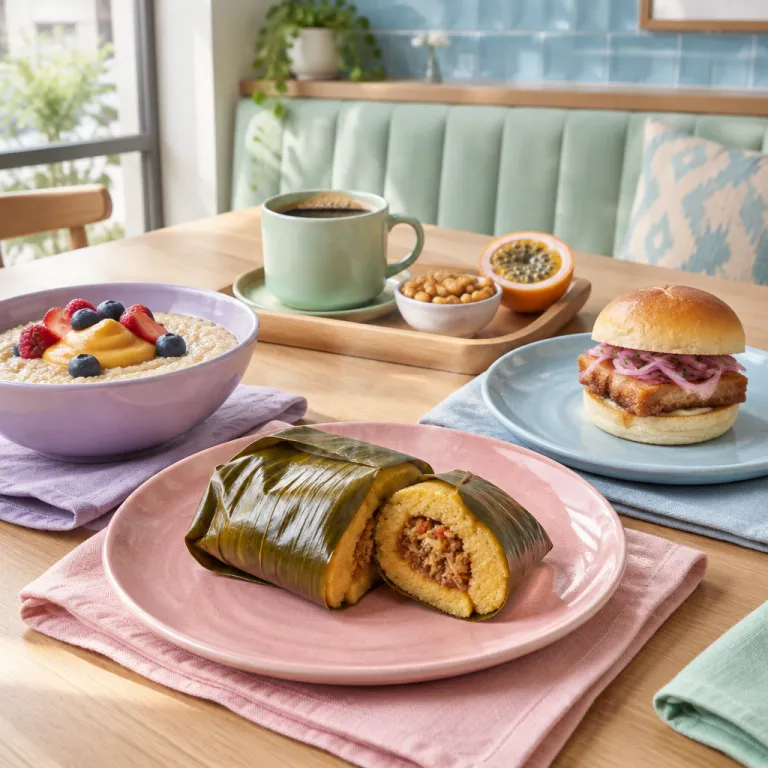
Why peru breakfast foods matter for strategic F&B positioning
Peru breakfast foods offer a powerful template for hotels seeking differentiated morning concepts. In Lima and beyond, the way guests eat their first meal reflects deep Peruvian culture, strong regional identities, and evolving expectations around wellness and experience. For Directeurs F&B and chefs exécutifs, understanding how a Peruvian breakfast works in both urban and resort contexts can unlock new revenue and brand positioning opportunities.
Across the country, the morning offer is rarely a generic buffet; it is a curated encounter with Peruvian food, from simple pan and butter to hearty pork-based sandwiches. In Lima, business hotels in San Isidro now mix traditional Peruvian dishes with lighter options inspired by an American breakfast to satisfy international travellers without diluting local character. This balance between authenticity and accessibility is exactly where Peru breakfast foods can help guide hotel groups and exploitants indépendants who want to elevate their breakfast strategy while keeping local cuisine at the centre.
For investors in restauration, the breakfast daypart in Peru illustrates how a single service window can carry storytelling, margin, and loyalty. A focused Peru guide to morning offerings shows how Andean and Amazon products, street food formats, and refined Peruvian cuisine can coexist on one line, each with a clear cost structure and perceived value. When you position breakfast in Peru as a signature experience rather than a cost centre, you create a platform that supports travel storytelling, upselling, and cross selling throughout the guest journey; for example, a hero sandwich with a food cost of 28–32% can still deliver strong RevPASH when paired with premium coffee and fresh juice, as shown in internal benchmarking from several Lima Peru business hotels.
From street food to five star : structuring a peruvian breakfast matrix
Designing a scalable concept around Peru breakfast foods starts with mapping formats from street to suite. In Lima, the same pan con chicharrón that guests eat at a humble street food stall can be reinterpreted as a premium room service hero item with upgraded pork cuts and artisanal bread. For a hotel group, this matrix from casual street food to elevated restaurant service allows consistent brand storytelling across segments and clear operational standards.
At the base level, you have ultra-local street formats such as pan con chicharrón with salsa criolla, jugo surtido made with seasonal Amazon fruits, and simple Peruvian breakfast plates of eggs, pan, and coffee. These breakfast Peru staples can be adapted into buffet action stations, grab and go counters, or à la carte dishes that still feel traditional Peruvian while meeting international safety and consistency standards. Higher on the matrix, you can integrate elements of iconic Peruvian cuisine such as lomo saltado–inspired breakfast dishes, or tasting portions of a national dish reworked for the morning daypart with controlled portion sizes and clear mise en place.
For luxury properties in districts like San Isidro in Lima Peru, the same Peru guide can extend to tasting menus that pair Andean grains, Amazon cacao, and refined Peruvian food techniques with global classics. A carpaccio di manzo reinterpretation served alongside warm Peruvian bread and a light salsa criolla can bridge familiar European formats with local identity for high end travel clientele. By structuring these layers clearly, Directeurs F&B can brief their équipe, negotiate with suppliers such as Alicorp Food Service or San Fernando for pork and bakery inputs, and align investors around a coherent, scalable Peruvian breakfast vision rather than isolated signature dishes, using a simple matrix that links format, price band, and expected RevPASH.
Engineering signature peru breakfast foods for hotel portfolios
Once the matrix is defined, the next step is to engineer signature Peru breakfast foods that can travel across a portfolio. A strong example is the pan con chicharrón sandwich, where slow cooked pork belly, crisped to order, is paired with airy pan and bright salsa criolla. In a resort near Machu Picchu or an urban tower in Lima, this same Peruvian breakfast hero can be adapted to different volumes, price points, and guest profiles while keeping a stable cost-per-portion.
For business hotels, a mini pan con chicharrón slider can sit alongside an American breakfast plate, allowing guests to eat Peru in a low risk, low waste format. In leisure focused properties, a more generous pan con version can be bundled with jugo surtido made from Andean or Amazon fruits, creating a breakfast Peru combo that feels both traditional and contemporary. These engineered dishes should be supported by clear mise en place, batch cooking protocols, and supplier partnerships that guarantee consistent Peruvian food quality across locations; for instance, targeting a 30% food cost and a RevPASH of USD 18–22 during peak breakfast periods, based on internal hotel P&L benchmarks and industry training materials on menu engineering.
Strategic menu engineering also means balancing protein rich pork items with lighter Peruvian cuisine options such as fruit forward breakfast foods, yoghurt with Andean grains, or vegetarian takes on classic dishes. Hospitality leaders already working on sausage or charcuterie strategies can integrate learnings from resources on elevating breakfast menus with chipolata sausages to refine their approach to hot line production and cross utilisation. By treating Peru breakfast foods as a modular toolkit rather than a fixed set of recipes, Directeurs F&B can respond quickly to seasonality, travel flows, and changing dietary expectations without losing the essence of traditional Peruvian hospitality.
Regional storytelling : andean and amazon influences at breakfast
Peru breakfast foods gain much of their power from regional diversity, which is a major asset for hotel brands seeking distinctive narratives. Andean regions contribute high altitude potatoes, quinoa, and corn based bread that can anchor hearty breakfast Peru bowls or side dishes. The Amazon brings exotic fruits for jugo surtido, plantain preparations, and aromatic herbs that refresh the palate after richer pork or egg dishes and support wellness-focused positioning.
For Directeurs F&B, the challenge is to translate these Andean and Amazon elements into operationally viable formats that still feel local. A buffet in Lima Peru might feature a live station where guests eat warm Andean grain porridge topped with Amazon fruit compotes, while à la carte menus in San Isidro highlight a refined Peruvian breakfast plate with poached eggs, sautéed Andean greens, and toasted pan. In resort settings near Machu Picchu, chefs exécutifs can design tasting flights of regional breakfast foods that guide Peru visitors through altitude, climate, and terroir using small, photogenic portions that support social media visibility.
Suppliers play a crucial role in this regional storytelling, especially when sourcing Peruvian food products at scale for groups hôteliers. Investors in restauration should evaluate partners who can guarantee traceability for Andean grains and Amazon fruits, as this supports both marketing claims and ESG reporting. When guests feel that their breakfast Peru experience connects authentically to Peruvian cuisine and local producers, they are more likely to share content, extend their travel spend, and return to the brand, reinforcing long term loyalty metrics.
Operational excellence : from street authenticity to five star standards
Translating the energy of Peruvian street food into a controlled hotel environment requires disciplined operations. Street vendors in Lima often prepare pan con chicharrón in extremely small spaces, yet they manage high throughput and strong flavour concentration. Hotels must capture that intensity while respecting HACCP protocols, brand standards, and the expectations of international travel guests who demand both safety and speed.
One practical approach is to separate production and finishing for key Peru breakfast foods such as pork for pan con chicharrón or braised meats for lomo saltado–inspired breakfast dishes. Central kitchens or commissaries can handle slow cooking and portioning, while on site brigades focus on crisping, assembling, and plating to order so that guests eat Peru at peak texture. This model works especially well for groups hôteliers operating multiple properties in Lima Peru and other cities, as it stabilises quality and labour costs and allows clear tracking of cost-per-portion across the network.
At the same time, Directeurs F&B should not underestimate the value of simple, perfectly executed items such as fresh pan, high quality butter, and seasonal jugo surtido. These elements may seem basic, yet they often define whether guests perceive breakfast Peru as the best part of their stay or just another anonymous buffet. Insights from strategic work on dry salami as a lever for modern hospitality menus show how even humble products, when treated with respect and narrative, can elevate perceived value and support upselling across dayparts, from breakfast to late night snacking. A concise SOP that specifies batch sizes, holding times, and garnish standards for each Peruvian breakfast hero item helps maintain this consistency.
Positioning peru breakfast foods for global travellers and investors
For international travellers, Peru breakfast foods can serve as a gentle entry point into Peruvian cuisine before they tackle more intense national dish icons at lunch or dinner. A carefully curated Peruvian breakfast that blends local pan, pork based sandwiches, and lighter fruit driven dishes helps guests eat Peru with confidence. This is especially relevant for properties that act as gateways to Machu Picchu or other high profile travel circuits, where first impressions at breakfast shape the entire journey and influence overall satisfaction scores.
From an investment perspective, breakfast Peru concepts built around Peruvian food offer attractive margins and strong differentiation compared with generic American breakfast formats. When a Peru guide to morning offerings is clearly defined, investors can see how signature dishes, street food inspired items, and traditional Peruvian plates translate into average check, RevPASH, and ancillary sales. A structured guide Peru framework also facilitates brand extensions, such as grab and go kiosks in San Isidro office towers or airport lounges that showcase Peruvian breakfast foods to transit passengers and corporate travellers.
For suppliers, aligning portfolios with Peru breakfast foods means developing ready to use components such as frozen pan doughs, pre marinated pork for con chicharrón applications, or pasteurised jugo surtido bases using Andean and Amazon fruits. These solutions help chefs exécutifs maintain authenticity while managing labour and food safety risks across multiple properties in Lima Peru and beyond. When all stakeholders treat breakfast not as a routine but as a strategic stage for Peruvian cuisine, the result is a compelling, scalable proposition that benefits guests, operators, and investors alike and can be monitored through simple KPIs such as cost-per-cover and breakfast RevPASH. A small, costed sample menu—three hero items with food cost between 26–32% and a blended RevPASH target of USD 18–22—gives investors a concrete starting point for scenario planning.
Key figures shaping strategic breakfast concepts inspired by Peru
- According to PromPerú’s “Perfil del Turista Extranjero 2019”, tourism spending on food and beverage in the country represents roughly one third of total visitor expenditure, which means that elevating breakfast Peru offerings can significantly influence overall travel revenue capture (PromPerú, 2019).
- Data from the World Travel & Tourism Council’s “Travel & Tourism Economic Impact 2019 Peru” report indicate that international arrivals to Peru grew at an average annual rate of around 7% between 2010 and 2018, creating a larger audience for Peruvian cuisine and making differentiated Peru breakfast foods a competitive advantage for hotels in Lima and regional hubs (WTTC, 2019).
- Market research from Euromonitor International’s 2022 “Global Travel Survey” shows that global consumers increasingly seek local and authentic food experiences at hotels, with more than half of surveyed travellers (56%) stating that regional breakfast dishes influence their perception of value and brand authenticity (Euromonitor, 2022).
- Studies on food waste in hospitality by the United Nations Environment Programme, including the 2021 “Food Waste Index Report”, highlight that breakfast buffets are among the highest waste generators, which reinforces the need for carefully engineered Peruvian breakfast menus that balance variety with portion control and track waste per cover (UNEP, 2021).
- Reports from the Peruvian Ministry of Foreign Trade and Tourism (MINCETUR), such as the 2018 “Anuario de Estadísticas de Turismo”, underline that iconic destinations like Machu Picchu act as gateways to culinary exploration, suggesting that hotels on these routes can leverage Peru breakfast foods to extend guest engagement beyond sightseeing (MINCETUR, 2018).
FAQ about integrating peru breakfast foods in hospitality concepts
How can a hotel integrate peru breakfast foods without alienating international guests ?
The most effective approach is to pair familiar items, such as an American breakfast plate, with small tasting portions of Peruvian breakfast classics like pan con chicharrón or Andean grain bowls. This lets guests eat Peru at their own pace while still feeling that core expectations are met. Clear labelling, concise descriptions, and staff training around Peruvian cuisine help reduce hesitation and encourage trial, especially when supported by simple icons for spice level and dietary notes.
Which peru breakfast foods are easiest to scale across multiple properties ?
Items with strong structure and simple finishing steps, such as pan based sandwiches with pork, pre portioned jugo surtido, and baked breakfast foods using Andean grains, are ideal for multi unit operations. These dishes can be produced centrally, frozen or chilled, and finished on site with minimal skill variation. Standardised recipes and supplier partnerships ensure that Peruvian food quality remains consistent from Lima Peru to resort locations while keeping food cost and labour ratios within target.
How should F&B directors position peruvian breakfast items in pricing strategy ?
Signature Peru breakfast foods that highlight local ingredients, such as pan con chicharrón with salsa criolla or Andean grain bowls, can command a modest premium over generic items. At the same time, a few accessible Peruvian cuisine options should be priced competitively to encourage trial and build volume. Bundling, such as a breakfast Peru combo with bread, pork sandwich, and jugo surtido, helps clarify value for both leisure and business travel segments and simplifies RevPASH tracking by focusing on a small number of hero sets.
What operational challenges arise when adapting street food formats to hotels ?
The main challenges involve food safety, consistency, and speed of service, since street food like pan con chicharrón is often cooked in very small batches. Hotels must redesign processes so that slow cooked components are prepared safely in controlled environments, then finished quickly during service. Training, clear mise en place, and appropriate equipment are essential to keep the spirit of street food while meeting brand and regulatory standards, especially during peak breakfast periods.
How can suppliers support hotels in developing peru breakfast foods ?
Suppliers can create tailored product lines such as pre marinated pork for con chicharrón applications, frozen pan doughs suitable for local baking, and pasteurised jugo surtido bases using Andean and Amazon fruits. These solutions reduce labour intensity while preserving the identity of traditional Peruvian dishes. Close collaboration on forecasting and logistics ensures that hotels can maintain reliable Peru breakfast foods offerings even during peak travel seasons and measure performance through waste, cost-per-portion, and guest satisfaction scores.