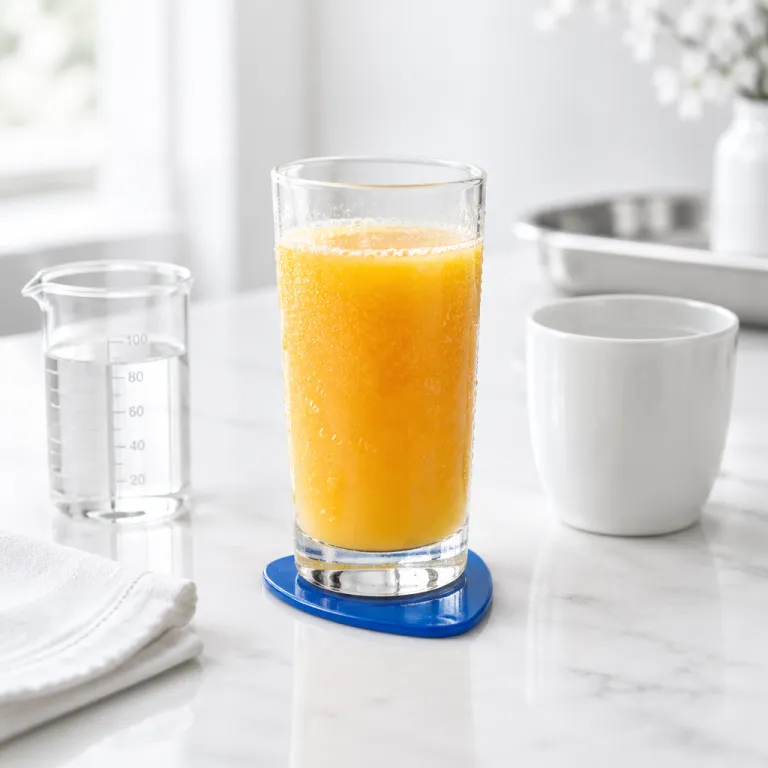
Reframing the question : is orange juice hydrating in real service conditions ?
For any Directeur F&B or executive chef, the question is orange juice hydrating enough to feature in wellness beverage programs is no longer academic. Your guests expect every drink to support hydration, health and pleasure, while your équipe must manage costs, storage and operational simplicity. The way you position each juice and water option on the menu now shapes both guest perception and long term fluid balance across the stay.
From a physiological standpoint, orange juice is mostly water and does contribute to hydration, yet its sugar content and energy density make it very different from plain water. A 200 millilitre glass of orange juice typically contains around 85 to 90 % water, but it also carries natural sugars, potassium and a modest amount of water soluble vitamin C that influence how the body handles the fluid. For hotel groups designing all day drinks menus, this means orange juice can support adequate hydration when integrated intelligently, not when used as an unrestricted default drink at breakfast buffets.
Hydration in hospitality must be understood as a 24 hour journey, not a single drink choice at one service. Guests arrive after flights, meetings or sports activities with varying levels of dehydration and different needs for electrolytes and fluids. Your beverage programs therefore need a clear narrative that explains when fruit juice is good for quick energy and when water electrolytes solutions or simple drinking fluids such as chilled water orange infused carafes are the better option.
Operationally, the question is not only whether orange juice hydrating properties are real, but how you frame them in your nutrition facts communication. Clear menu language can highlight that orange juice water content supports hydration while also signalling the presence of sugars and calories. This transparency builds trust with health conscious travellers and reassures investors restauration that your concept aligns with global wellness trends rather than short term sugar driven sales.
In premium properties, positioning a glass of orange juice as part of a structured hydration ritual can elevate perceived value. For example, you might offer a small glass orange shot with breakfast, followed by carafes of plain water and lightly flavoured juice water blends throughout the morning. Such sequencing respects the body’s need for fluid balance while still leveraging the emotional comfort and natural sweetness of fruit juice in both singular and more diluted drinks.
Understanding orange juice, hydration and sugar for wellness focused menus
When you analyse whether orange juice hydrating benefits justify its central place on breakfast buffets, you must start with composition and physiological effects. Standard orange juice contains mostly water, around 8 to 10 grams of natural sugars per 100 millilitres, and meaningful potassium that supports fluid balance inside cells. These nutrition facts matter for Directeurs F&B who must balance guest expectations for healthy drinks with the operational reality of portion control and cost per litre.
From a hydration perspective, the presence of electrolytes potassium in orange juice is a genuine asset, especially for guests arriving after long flights or intense sports sessions. Potassium works with sodium and other water electrolytes to regulate how the body retains or excretes fluids, which means orange juice can contribute to more stable hydration than a sugar only beverage. However, the same natural sugars that make juice good for quick energy can also slow gastric emptying when consumed in large volumes, which slightly delays how fast the fluid component reaches the bloodstream.
For beverage program designers, the nuance is crucial ; orange juice hydrating capacity is real, but it is not identical to plain water or to a purpose built sports drink. A 150 millilitre serving of fruit juice can be framed as a nutrient dense complement to drinking fluids, while larger 300 millilitre portions may push sugar intake beyond what many guests consider healthy. This is particularly relevant when you pair breakfast drinks with rich pastries or hot coppa based savoury items that already increase total energy intake, as explored in strategic menu engineering approaches such as those applied to turning charcuterie into a profit driver.
Luxury and lifestyle hotels increasingly integrate juice hydration tiers into their menus, differentiating between pure orange juice, diluted juice water spritzers and low sugar fruit juice blends. Such structuring allows you to promote adequate hydration while still offering the sensory pleasure of citrus aromas and the perceived immunity benefits of water soluble vitamin C. It also gives your équipes a clear upsell path from complimentary plain water to premium cold pressed juices and signature drinks that justify higher price points.
When benchmarking your beverage portfolio, it is useful to compare orange juice with other drinks such as herbal infusions, flavoured waters and even curated wine selections that play a role later in the day. Just as a sommelier might leverage the best red wine from Trader Joe’s in modern beverage programs, as analysed in this piece on leveraging accessible red wines, you can position orange juice as an entry level wellness icon that anchors your morning offer. The key is to communicate clearly that while orange juice is hydrating, it sits within a broader matrix of drinks designed to support both pleasure and long term health.
Electrolytes, potassium and water : what science means for beverage strategy
For hospitality leaders, the science behind hydration is not an abstract topic ; it directly informs how you design beverage programs that feel both indulgent and healthy. The body maintains fluid balance through a delicate interplay between water, electrolytes and hormones, and every drink you serve nudges that system in one direction or another. Understanding where orange juice fits in this picture helps you answer with authority when guests or corporate clients ask is orange juice hydrating enough for their needs.
Orange juice contains meaningful levels of potassium, often around 200 to 250 milligrams per 200 millilitre serving, which supports intracellular hydration. This electrolytes potassium content makes orange juice more than just flavoured sugar water, especially when compared with many soft drinks that provide sugars without any useful nutrient. However, orange juice is relatively low in sodium, so it does not fully replace specialised sports drinks that are engineered to support heavy sweating and intense sports performance.
From a menu engineering perspective, this means orange juice hydrating properties are best positioned for light to moderate activity, such as guests using the gym briefly or walking between meetings. For more demanding sports events or wellness retreats, you may want to complement orange juice with dedicated water electrolytes beverages that contain both sodium and potassium in balanced ratios. In such contexts, you can still use a small glass orange shot as a pleasant pre activity drink, followed by more functional drinks during and after exercise to maintain adequate hydration.
High end properties are beginning to treat hydration with the same strategic depth as wine curation, recognising that both influence perceived value and guest loyalty. Just as record breaking bottles reshape the answer to what is the most expensive wine in the world, as explored in this analysis of iconic wine pricing, advanced hydration programs can redefine how guests value non alcoholic drinks. When you frame orange juice as part of a structured hydration ladder, from plain water to functional sports beverages, you create a narrative that investors restauration can understand and support.
For spa and wellness outlets, integrating orange juice into post treatment rituals can be particularly effective. A small, chilled serving of fruit juice offers both water and natural sugars that gently raise blood glucose after heat based therapies, while the potassium supports recovery. Pairing this with infused water orange and mint carafes allows guests to continue drinking fluids at their own pace, maintaining fluid balance without overwhelming the palate or the body with excessive sugars.
From breakfast buffets to pool bars : operationalising juice hydration
Translating the science of is orange juice hydrating into daily operations requires precise standards and clear communication with your équipes. At breakfast, where orange juice often flows freely, portion control is the first lever to align hydration, health and cost management. Moving from unlimited self service dispensers to table served 150 millilitre glass orange portions can significantly reduce sugar intake while preserving the perception of generosity.
In parallel, you can elevate plain water from an afterthought to a central pillar of the beverage experience. Carafes of chilled water orange slices, cucumber or herbs placed on every table subtly encourage guests to keep drinking fluids with minimal sugar, supporting both hydration and skin health. When staff explain that these infused waters complement the more concentrated juice options, guests understand that the property is actively managing their well being rather than simply pushing higher margin drinks.
Pool bars and beach outlets present a different challenge, where heat, sun exposure and sports activities increase fluid needs dramatically. Here, positioning orange juice as one element within a broader hydration strategy is essential, combining it with low sugar mocktails, coconut water and dedicated water electrolytes beverages. Staff training should emphasise that while orange juice hydrating qualities are real, guests who engage in intense sports or spend hours in the sun also need drinks that replace sodium and support sustained fluid balance.
Room service menus offer another opportunity to refine how fruit juice is presented in relation to hydration and health. Instead of listing orange juice only in large 250 or 300 millilitre formats, consider offering smaller 120 millilitre shots alongside larger bottles of still or sparkling water, clearly labelled as the recommended daily hydration base. This approach respects guests who enjoy the taste and nutrient profile of orange juice while gently steering overall fluid intake toward water as the primary drink.
For meeting and events business, beverage breaks can be redesigned around a hydration first philosophy that still feels premium. Stations might feature dispensers of juice water blends at a 1:3 ratio of orange juice to water, alongside pure fruit juice options and abundant plain water, allowing delegates to calibrate their own sugar and nutrient intake. Clear signage explaining the role of natural sugars, potassium and water vitamin C in these drinks reinforces your property’s expertise and positions your brand as a thoughtful partner in corporate health strategies.
Designing guest centric hydration rituals that integrate orange juice intelligently
Beyond individual drinks, leading hotel groups now design full day hydration rituals that weave orange juice into a coherent wellness story. Morning might begin with a small glass orange portion served with breakfast, framed as a nutrient dense start that provides vitamin C, potassium and natural sugars for gentle energy. As the day progresses, the focus shifts toward plain water, infused waters and low sugar drinks that maintain fluid balance without excessive calorie load.
In spa and wellness environments, these rituals can become signature experiences that differentiate your brand. Guests might be welcomed with a chilled towel and a tiny drink orange shot of freshly pressed juice, followed by a carafe of water orange blossom infusion in the relaxation lounge. After treatments, a choice between pure fruit juice, a diluted juice water spritzer or a functional sports drink allows each guest to match their hydration to how their body feels in that moment.
Family resorts face specific challenges, as children often prefer sweet drinks while parents worry about sugar intake and long term health. Here, positioning orange juice hydrating benefits within a tiered offer can be particularly effective, offering smaller pure juice servings alongside larger glasses of juice water blends and abundant plain water. Clear, friendly communication about natural sugars and recommended daily limits helps parents feel supported rather than judged, which in turn builds loyalty and repeat business.
Urban business hotels can integrate hydration into their lobby and co working spaces, where guests spend long hours under artificial light and air conditioning. Self service stations with filtered water, lightly flavoured water orange slices and occasional trays of small fruit juice shots create a rhythm of drinking fluids that supports concentration and skin comfort. Signage that briefly explains how water, electrolytes and modest amounts of natural sugars work together to maintain adequate hydration reinforces your property’s expertise without overwhelming guests with technical detail.
Across all segments, the goal is to make hydration feel curated rather than improvised, with orange juice playing a defined role rather than dominating by default. When your équipes can confidently explain that orange juice is hydrating but best enjoyed in measured portions alongside water and other drinks, you elevate both guest experience and perceived professionalism. This clarity also reassures investors restauration that your beverage strategy is grounded in science, aligned with health trends and capable of sustaining both revenue and reputation over time.
Metrics, communication and ROI : turning hydration into a strategic lever
To convince owners and investors that a refined approach to is orange juice hydrating can drive value, you need clear metrics and disciplined communication. Start by tracking beverage mix before and after implementing portion controlled orange juice, expanded water offerings and structured hydration rituals. Changes in average check, cost of goods and guest satisfaction scores will quickly show whether your new balance between juice and water is working.
Guest communication should be concise, elegant and rooted in verifiable nutrition facts rather than vague wellness claims. Menu descriptions might state that a given drink provides water, natural sugars and potassium that support normal fluid balance, without promising medical outcomes. Training your équipes to answer questions about orange juice hydrating properties with simple, accurate language builds trust and reduces the risk of overclaiming, which is increasingly scrutinised by both regulators and sophisticated travellers.
Digital channels offer another layer of storytelling, where you can explain your hydration philosophy in more depth. Website copy and in room tablets can outline how your beverage program balances fruit juice, plain water and functional drinks across the day, highlighting the role of electrolytes potassium and water vitamin C in guest comfort. This transparency not only supports direct bookings but also signals to corporate buyers that your property understands modern health expectations and can align with their employee wellbeing policies.
From a long term perspective, integrating hydration metrics into your regular F&B reporting can reveal patterns that inform broader strategy. Tracking the ratio of juice to water sales, the uptake of juice water blends and the performance of sports oriented drinks around events or wellness retreats helps you refine both product mix and pricing. Over time, you may find that a more balanced approach to orange juice hydrating offers actually increases total beverage revenue, as guests feel better and stay longer in your outlets.
Ultimately, the question is not simply is orange juice hydrating, but how you orchestrate all drinks to support the body’s needs, guest pleasure and your property’s financial health. By treating hydration as a designed experience, grounded in science and expressed through elegant service, you transform a basic physiological requirement into a signature of your brand. That is the level of sophistication today’s Directeurs F&B, chefs exécutifs and investors restauration increasingly expect from leading hospitality beverage programs.
Key statistics on orange juice, hydration and guest expectations
- According to the European Food Safety Authority’s scientific opinion on dietary reference values for water (EFSA Journal 2010;8(3):1459), recommended daily water intake is around 2.0 litres for women and 2.5 litres for men, including water from food and drinks, which means orange juice can contribute but should not be the sole hydration source.
- Data from the United States Department of Agriculture FoodData Central database (for example, entry FDC ID 1102603, “Orange juice, 100 %”) show that 100 millilitres of orange juice typically contain about 88 grams of water and around 8 to 10 grams of sugars, underlining the need for portion control in hotel breakfast settings.
- Studies published in the American Journal of Clinical Nutrition, such as Maughan RJ et al., “A randomized trial to assess the potential of different beverages to affect hydration status” (Am J Clin Nutr. 2016;103(3):717–723), indicate that many fruit juice drinks have a rehydration index similar to or slightly higher than plain water, but their higher energy density can contribute to excess calorie intake when consumed in large volumes.
- Market research from Euromonitor reports that sales of bottled water have surpassed carbonated soft drinks globally, reflecting a strong consumer shift toward hydration focused beverages that hotel groups can leverage alongside carefully positioned orange juice offers.
- Surveys by the Global Wellness Institute highlight that a significant share of wellness travellers are willing to pay a premium for beverage programs that clearly communicate nutrition facts and hydration benefits, creating an opportunity for properties that manage orange juice and water strategically.
FAQ : orange juice and hydration in hospitality beverage programs
Is orange juice as hydrating as plain water for hotel guests ?
Orange juice is mostly water and therefore contributes to hydration, but its sugars and energy density make it different from plain water. For everyday adequate hydration, water should remain the primary drink, with orange juice offered in smaller portions as a nutrient rich complement. In hospitality programs, combining both allows you to meet guest expectations for taste and health without encouraging excessive sugar intake.
How much orange juice should be served at breakfast to balance health and pleasure ?
Many nutrition guidelines suggest limiting fruit juice to around 150 millilitres per day for adults, which aligns well with a single small glass at breakfast. Hotels can adopt this as a standard serving size, while offering abundant plain water and infused waters to support ongoing hydration. Clear communication on menus helps guests understand that this portion respects both flavour and long term health.
Can orange juice replace sports drinks for active or wellness focused guests ?
Orange juice provides water, natural sugars and potassium, which support light to moderate activity, but it lacks the sodium balance found in specialised sports drinks. For guests engaging in intense sports or long sessions in hot climates, dedicated water electrolytes beverages are more appropriate during and after exercise. Orange juice can still play a role as a pleasant pre or post activity drink within a broader hydration strategy.
How should hotels communicate about orange juice and hydration without overclaiming ?
Properties should focus on factual statements, such as explaining that orange juice contains water, vitamin C and potassium that contribute to normal body functions, without promising medical outcomes. Using clear nutrition facts panels and simple language about fluid balance builds trust with guests and corporate clients. Training staff to answer is orange juice hydrating questions with concise, evidence based explanations further reinforces credibility.
What role can orange juice play in premium or luxury beverage programs ?
In higher end properties, orange juice can be positioned as part of curated hydration rituals, served in smaller, elegant portions alongside infused waters and functional drinks. Cold pressed or freshly squeezed options can justify premium pricing when framed as nutrient dense elements within a full day wellness journey. This approach respects both guest health priorities and the property’s need to maintain strong beverage revenue and brand differentiation.