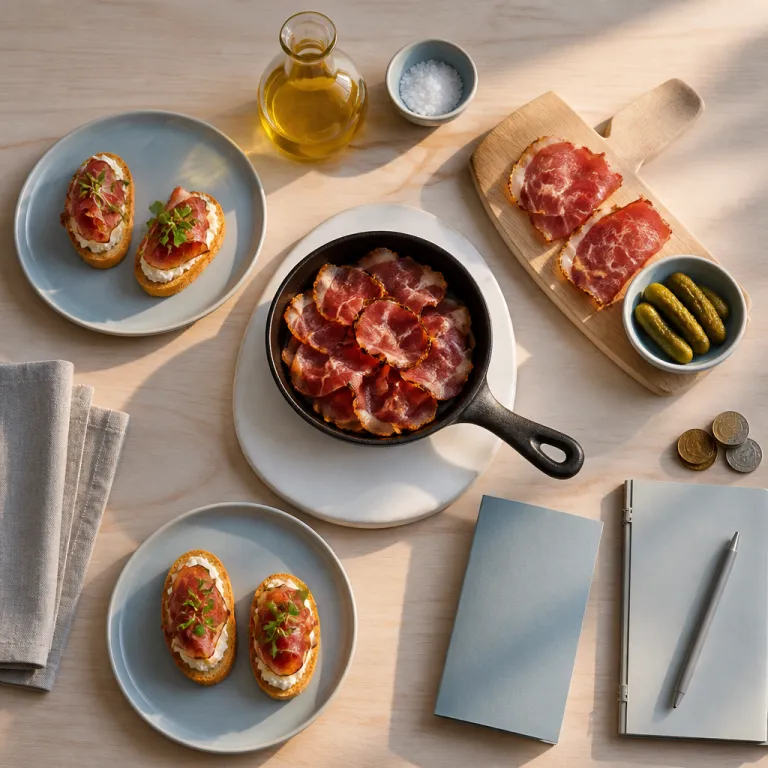
Reframing hot coppa as a strategic F&B product platform
Hot coppa (also spelled hot capocollo) sits at the crossroads of dry cured meat tradition and modern menu engineering. For Directeurs F&B and chefs exécutifs, this single item can become a platform product that anchors Italian-style charcuterie programs, late night menus, and premium banqueting. When treated as a strategic cured pork pillar rather than a simple garnish, hot coppa unlocks margin, storytelling, and guest engagement.
Operationally, hot coppa is a spicy, dry cured pork shoulder that is air dried for several weeks or months. Producers such as Fiorucci Foods, Citterio S.p.A., and Columbus Craft Meats in the United States have standardized item weight, slice thickness, and dry aging parameters, which simplifies forecasting and cost control for hotel groups. Their products are typically gluten free cured meats, with ingredients pork, salt, dextrose, spices, black pepper, and controlled sodium nitrite levels that comply with food safety regulations for cured meat programs, as outlined in USDA FSIS guidance on ready-to-eat dry sausages and whole-muscle products (see FSIS Directive 7110.3 and related compliance guidelines).
From a guest perspective, the appeal is clear and immediate. The combination of spicy heat, aromatic black pepper, and the silkiness of coppa dry slices creates a star product that can carry a board, a sandwich, or a warm plate. When you position hot coppa as the hero cured pork item on a menu, you can justify a higher purchase price while still delivering strong perceived value.
For investors in restauration and asset managers, hot coppa offers an attractive balance between premium positioning and operational simplicity. Shelf stable characteristics of dry cured meats reduce waste, while standardized item weight and packaging formats support multi property rollouts. In a portfolio where every cured meat item must earn its place, hot coppa consistently delivers on both guest satisfaction and gross margin.
Designing profitable menu architectures around hot coppa
Building a menu architecture around hot coppa requires more than adding one Italian-style charcuterie board. You need a clear product ladder that moves guests from entry level cured pork tastings to higher margin signature dishes featuring hot coppa as the central meat component. This ladder should be visible across breakfast, bar snacks, in room dining, and banqueting to maximize item rotation and reduce the risk of dry stock aging beyond its ideal window.
Start with a simple cured meat tasting plate where hot coppa sits alongside other dry cured meats such as prosciutto and dry salami. Use consistent language on the menu to explain that hot coppa is a spicy, air dried pork shoulder, highlighting its gluten free profile and traditional Italian-style seasoning with black pepper and dextrose spices. For teams already working on charcuterie strategies, the analysis in this piece on dry salami as a strategic lever for modern hospitality menus offers a useful framework that can be adapted to coppa dry programs.
Next, design one or two hot applications where the cured pork item is gently warmed but not cooked aggressively. A hot coppa flatbread with roasted vegetables, or a toasted sandwich with melted cheese and thin slices of cured meat, allows you to maintain the integrity of the dry cured texture while adding comfort food appeal. In banqueting, a composed salad with ribbons of hot coppa, marinated vegetables, and a light vinaigrette can become a star product that travels well and holds on buffets.
Finally, consider a premium signature dish that anchors your Italian-style offer. This might be a house made pasta with hot coppa, black pepper, and a light cream emulsion, or a brunch plate where air dried cured meats, including coppa, frame poached eggs and seasonal vegetables. By mapping each item weight, food cost, and selling price, Directeurs F&B can demonstrate to investors that the hot coppa range delivers a superior ROI compared with many perishable meat alternatives. For example, a 1.5 kg hot coppa priced at USD 18/kg yields roughly 45 portions of 32–36 g at a food cost near USD 0.60 per serving; sold at USD 8 on a bar menu, this generates a gross margin above 80% before overhead.
Balancing flavor, nutrition, and dietary expectations for modern guests
Guests now read menu content with the same attention they give to an online review. They want clear information about ingredients pork, allergens, and processing methods, especially when cured meats and sodium nitrite are involved. For hotel groups and independent operators, transparent communication around hot coppa is no longer optional; it is a trust building requirement.
From a nutritional standpoint, typical hot coppa portions deliver around 110 kilocalories per serving, with approximately 9 grams of fat and 420 milligrams of sodium. These figures, which align with values reported in the USDA FoodData Central database for dry cured pork shoulder and similar charcuterie (for example, entries for “Pork, cured, shoulder, separable lean and fat”), should be integrated into your internal menu engineering sheets and, where relevant, into guest facing nutritional content. When you position hot coppa as an occasional indulgence within a balanced offer that includes vegetables, grains, and lighter proteins, you align cured pork enjoyment with responsible hospitality.
Dietary preferences add another layer of complexity for Directeurs F&B. Many industrial hot coppa products are gluten free, which is a strong selling point for guests with specific intolerances, but you must verify each cured meat supplier specification before communicating this on menus. For guests who avoid pork shoulder or any pork meat for cultural or religious reasons, your teams should be trained to propose alternative items with similar flavor impact, such as spicy beef charcuterie or plant based options.
Spiciness management is equally strategic. A hot coppa with a pronounced spicy profile can delight some guests while alienating others, so consider offering both a milder coppa and a hotter version, clearly labeled on the menu. Insights from this analysis on how spicy salami can become a strategic innovation driver can help you calibrate heat levels, black pepper intensity, and dextrose spices balance to suit different market segments.
Procurement, specifications, and supplier strategy for hot coppa
Turning hot coppa into a scalable success across multiple properties starts with rigorous procurement standards. Directeurs F&B and purchasing teams must define precise specifications for cured pork shoulder, including item weight, slice thickness, dry aging duration, and acceptable ranges for sodium nitrite and salt dextrose. For reference, many producer technical sheets for dry cured whole-muscle pork in the United States indicate ingoing nitrite levels at or below 156 ppm, in line with FSIS regulations for cured products, which provides a benchmark when comparing suppliers. These specifications protect product consistency while giving chefs exécutifs enough flexibility to express their culinary identity.
When sourcing in the United States, many hotel groups work with established producers such as Fiorucci Foods, Citterio S.p.A., and Columbus Craft Meats, who offer hot coppa and other cured meats with detailed technical sheets. Some operators also evaluate brands like Volpi for complementary Italian-style items, even if not every seller provides a dedicated hot coppa line. In all cases, you should request full ingredient declarations that clearly list ingredients pork, dextrose spices, salt dextrose, and curing agents, along with microbiological standards, water activity targets, and shelf life data for each cured meat item.
Supplier relationships increasingly mirror the transparency expected on platforms such as Amazon, where every product is accompanied by extensive feedback and verified purchase signals. While hotel procurement does not rely on star ratings, the mindset is similar; you want evidence of consistent quality, reliable logistics, and responsive after sales support from each seller. Some groups now formalize this by asking culinary teams to write review style internal evaluations after the first months of service, rating each cured pork supplier on flavor, dryness, slice integrity, and guest satisfaction, and linking those scores to menu mix and contribution margin data.
Logistics and storage must also be integrated into the procurement strategy. Hot coppa and other dry cured meats require controlled temperature and humidity to maintain their dry texture and prevent surface defects, especially once packs are opened. Producer guidelines and ServSafe-style training materials typically recommend refrigerated storage at 0–4 °C (32–39 °F) in original packaging, with opened sticks or sliced packs used within 7–14 days depending on format. Standard operating procedures should specify maximum holding times after opening, rotation rules by item weight, and clear labeling practices so that every property in a group handles coppa dry products with the same discipline.
Guest feedback, digital reputation, and data driven decisions
In modern hospitality, every cured meat plate is also a piece of digital content. Guests photograph charcuterie boards, share comments about hot coppa on social platforms, and sometimes compare your offer with products they have ordered via Amazon or other e commerce channels. This creates a continuous stream of informal feedback that can guide product innovation if you capture and analyze it systematically.
Encourage your service teams to listen actively when guests comment on the hot coppa item, whether they praise the spicy profile or mention that the meat feels too dry. These qualitative remarks, combined with structured post stay surveys, help you understand whether your chosen cured pork shoulder specification is aligned with local expectations. When several guests mention that the cured meat is saltier than their usual Italian-style coppa, you have concrete data to bring back to your supplier and culinary équipe, and you can cross check it against plate waste, sales mix, and upsell performance.
Online reviews add another dimension. On many platforms, guests effectively write review style narratives about their dining experiences, sometimes naming specific products such as hot coppa or other cured meats by brand. Phrases like “What is hot coppa?”, “How is hot coppa made?”, and “Is hot coppa gluten-free?” appear frequently in guest questions, and the answers are clear: “What is hot coppa?”; “A spicy, dry-cured pork shoulder.”; “How is hot coppa made?”; “Seasoned pork shoulder, air-dried for months.”; “Is hot coppa gluten-free?”; “Yes, typically gluten-free when produced without gluten-containing fillers and handled to avoid cross-contact.”
Some hotel groups now treat these guest comments almost like internal verified purchase signals. When a particular hot coppa dish consistently earns five star mentions in reviews and shows a contribution margin at or above target, it becomes a candidate for wider rollout across the portfolio. Conversely, if a specific cured meat item attracts negative feedback about texture or flavor, Directeurs F&B can adjust dry aging parameters, change suppliers, or refine recipes to protect both guest satisfaction and brand reputation.
Innovation pathways: from traditional coppa to signature experiences
Innovation around hot coppa does not mean abandoning tradition; it means amplifying it in ways that resonate with contemporary travelers. Start by mapping the sensory profile of your chosen cured pork shoulder, including dryness level, fat marbling, black pepper intensity, and overall spicy heat. This sensory map becomes the foundation for new dishes, pairings, and service rituals that turn a simple cured meat into a memorable experience.
One promising direction is to integrate hot coppa into sustainability focused narratives, similar to the approach used for bivalves in this analysis on rethinking clams and mussels with sustainable sourcing strategies. While cured meats are not inherently low impact, you can prioritize suppliers who work with responsible pork producers, optimize item weight to reduce waste, and design menus that use trimmings in staff meals or value added preparations. Communicating these efforts transparently can turn a potential criticism of cured meat into a story of thoughtful sourcing and respectful use of animal products.
Another innovation path lies in cross cultural flavor dialogues. Pair hot coppa with fermented vegetables, regional breads, or local cheeses to create plates that reflect both Italian-style heritage and the terroir of your property, whether in the United States or other markets. By adjusting the balance of dextrose spices, salt dextrose, and black pepper in accompanying sauces or condiments, chefs exécutifs can fine tune perceived spiciness without changing the underlying cured meat specification.
Finally, consider how technology can support both creativity and control. Digital inventory tools can track item weight, rotation, and waste for each cured pork product, while guest facing applications can present rich content about the origin, dry aging process, and flavor notes of your hot coppa. When innovation, data, and craftsmanship align, hot coppa evolves from a simple meat garnish into a strategic lever for brand differentiation and long term profitability.
Key figures and operational benchmarks for hot coppa programs
- Typical hot coppa portions provide around 110 kilocalories per serving, which is comparable to many other cured meats and should be factored into menu level nutritional calculations for wellness oriented properties; values can be cross checked against USDA FoodData Central entries for dry cured pork shoulder and capocollo.
- With approximately 9 grams of fat per serving, hot coppa sits in the mid range of cured pork items, allowing chefs to balance indulgence and perceived lightness by pairing it with vegetables, grains, and fresh herbs.
- Sodium levels around 420 milligrams per serving mean that hot coppa can contribute significantly to a guest’s daily intake, so Directeurs F&B should avoid combining it with multiple other high sodium components in a single dish.
- Producers in the United States typically age hot coppa for several weeks or months, a dry aging period that concentrates flavor and reduces moisture, which in turn supports longer shelf life and lower waste in hotel operations; producer technical sheets often indicate unopened shelf life of 90–180 days under refrigeration.
- Rising demand for artisanal cured meats and growing interest in spicy flavors have been documented across retail and foodservice channels, indicating that investment in hot coppa based menu innovation aligns with broader market trends and can support premium pricing without suppressing volume.
FAQ about hot coppa in hospitality F&B
What exactly is hot coppa and how does it differ from other cured meats ?
Hot coppa is a spicy, dry cured pork shoulder that is air dried for several weeks or months, usually seasoned with black pepper and other dextrose spices. It differs from many other cured meats because it uses the collar or shoulder cut rather than the leg, which gives a distinctive marbling and texture. Compared with milder coppa or prosciutto, hot coppa has a more pronounced spicy profile and often a firmer, drier bite.
Is hot coppa suitable for gluten free guests in hotels and restaurants ?
Many industrial hot coppa products are formulated as gluten free cured meats, relying on ingredients pork, salt dextrose, dextrose spices, and curing agents such as sodium nitrite without added gluten containing fillers. However, Directeurs F&B must verify each supplier specification and ensure that no cross contamination occurs during slicing, plating, or buffet service. Only after this verification should menus or staff communication state that a particular hot coppa item is gluten free.
How should hot coppa be stored and handled in a professional kitchen ?
Hot coppa should be stored refrigerated at the temperature recommended by the producer, usually 0–4 °C (32–39 °F), in its original packaging until needed, to protect the dry cured surface and prevent oxidation. Once opened, the cured meat should be wrapped carefully, labeled with the opening date, and used within a defined number of days based on internal HACCP guidelines and producer technical sheets, which commonly indicate 7–14 days for sliced products. Slicing to order and monitoring item weight and rotation help maintain optimal texture and flavor while minimizing waste.
What menu applications work best for hot coppa in hotels ?
Hot coppa performs particularly well on charcuterie boards, in sandwiches, on flatbreads, and in composed salads where its spicy, air dried character can shine. It can also be used as a garnish for eggs at breakfast or brunch, or folded into warm pasta dishes, provided that it is not overcooked, which would compromise the dry cured texture. For banqueting, thinly sliced hot coppa adds visual appeal and flavor intensity without significantly increasing plating complexity.
How can guest feedback guide decisions about hot coppa suppliers and recipes ?
Guest comments in person and in online reviews provide concrete feedback about flavor, dryness, saltiness, and overall satisfaction with hot coppa dishes. Directeurs F&B can track recurring themes, such as praise for a particular spicy profile or criticism that the meat feels too dry, and use these insights to adjust dry aging parameters, change suppliers, or refine recipes. Treating these comments like internal verified purchase signals helps align procurement and culinary innovation with real guest expectations.