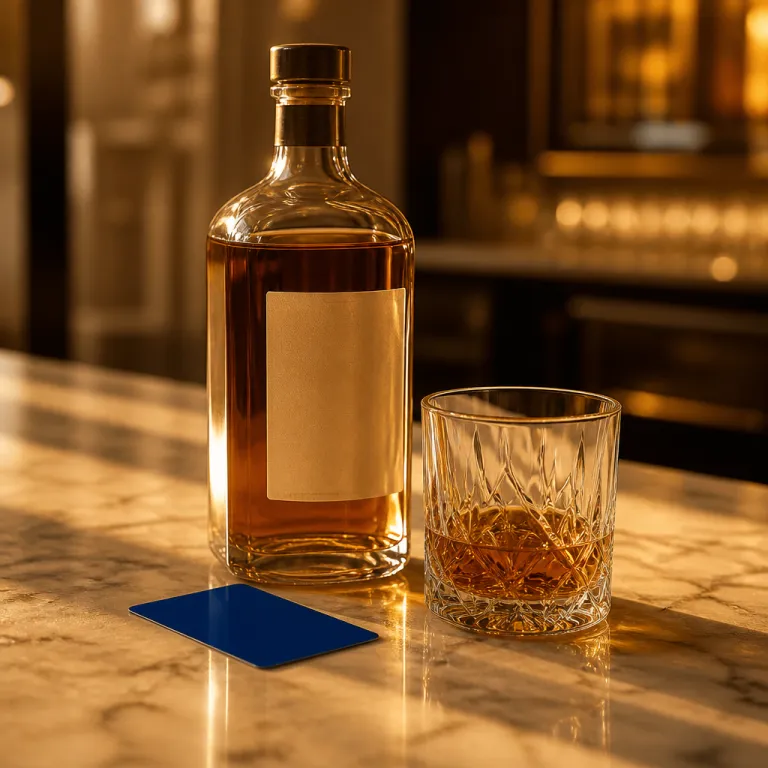
Why the most expensive scotch belongs in a strategic hotel beverage program
For a Directeur F&B or an investor, the most expensive scotch is not a trophy bottle; it is a strategic asset that signals ambition, connoisseurship, and pricing power. When a hotel bar lists the priciest single malt alongside a tightly curated range of single malt and blended scotch whisky references, it reframes the entire beverage program as a destination for serious whiskey collectors. This perception shift allows you to justify higher average checks, premium pairing menus, and elevated experiences that go far beyond a standard whisky flight.
The record sale of The Macallan Valerio Adami 60 Year Old 1926 at Sotheby’s in London, reported at £2,187,500 in November 2023 and cited by Guinness World Records as the most expensive whisky ever sold, showed how a single bottle of whisky can generate global media coverage and long term halo effects for a brand and for the venues that pour its other editions. That bottle, distilled in a specific Macallan year and aged six decades in cask before bottling, now anchors conversations about the most expensive whiskies ever sold and sets a benchmark for what guests perceive as truly fine rare spirits. For hotel groups, aligning with such narratives through carefully chosen Macallan releases, including Macallan Lalique decanters or other limited edition single malt expressions, can reposition a bar within the ultra luxury set.
Directeurs F&B should think of these expensive whiskey listings as part of a layered portfolio, where American whiskey, Irish whiskey, Japanese whisky, and Kentucky straight bourbon all play supporting roles. A thoughtful mix of age statements by year, cask finishes such as oloroso sherry or port pipes, and iconic names like Johnnie Walker or Ardbeg creates a ladder from accessible pours to the most expensive scotch on the shelf. This ladder lets guests move from a free tasting sample or a modest dram toward higher price tag experiences, while your équipe manages margin, stock rotation, and storytelling with precision. As a practical benchmark, many luxury hotels target a 75–85 % gross margin on ultra premium pours, accepting slower turnover on the top tier in exchange for the reputational lift it provides to the entire whisky list.
Designing rare whiskey lists that balance prestige, margin, and guest education
Building a rare whiskey list around the most expensive scotch requires more than chasing headlines; it demands a clear framework for margin, risk, and guest education. Start by mapping your whisky portfolio by style, from peated scotch whisky such as Ardbeg to sherry rich Speyside single malt, then to Irish single pot still, Japanese whisky, and high end American whiskey. Within each style, define a good, better, best progression that culminates in one or two most expensive references, including at least one Macallan year bottling and one alternative such as a Gordon & MacPhail single cask.
For hotel groups, this structure scales elegantly across properties, allowing flagship venues to hold the most expensive whiskies, while secondary outlets focus on strong single malt and bourbon selections with aspirational but more attainable price tags. Independent operators can mirror this logic on a smaller scale, perhaps featuring a single Macallan Lalique decanter as the pinnacle, supported by carefully chosen Yamazaki year releases and a few rare Irish whiskey bottlings. In both cases, the aim is to create a coherent narrative where every year single statement, every cask finish, and every limited edition feels intentional rather than opportunistic.
Guest education is the final lever, and it directly influences how quickly expensive whiskey inventory converts into revenue instead of dormant capital. Train your équipe to explain why a 25 years single malt matured in oloroso sherry casks commands a different price tag from a younger Kentucky straight bourbon, and how port cask finishes contrast with classic sherry maturation. To deepen this storytelling around fortified wine influences, many F&B directors now use concrete internal guides on how the best Porto wine can anchor high performing hotel beverage programs, integrating port and sherry narratives into both wine and whisky menus. A concise one page crib sheet with tasting notes, price bands, and suggested upsell paths can turn occasional interest in rare whisky into consistent, profitable sales.
From cask to glass : curating sensory experiences around ultra premium whisky
Once you secure the most expensive scotch for your bar, the next challenge is to translate its story from cask to glass in a way that guests truly feel. A structured tasting ritual, built around three or four pours of contrasting whisky styles, helps guests understand why one bottle sits at the top of the price ladder. For example, you might stage a progression from a Kentucky straight bourbon to a classic scotch whisky, then to a Japanese whisky matured in mizunara oak, and finally to a rare Macallan year single cask with oloroso sherry influence.
Each step should highlight a specific dimension: grain selection, malt treatment, barrel or cask type, and the impact of years of maturation on texture and complexity. When guests taste an Irish single pot still whiskey next to a heavily peated Ardbeg single malt, they immediately grasp how production choices and years in wood justify different price tags. By the time they reach the most expensive whiskies on the menu, including any Macallan Lalique or fine rare editions, they are primed to see value rather than just cost.
Integrating non alcoholic pairings and infusions into these experiences can also broaden appeal without diluting the prestige of the most expensive scotch. Some leading hotels now design tea pairings that echo whisky aromatics, using detailed internal tasting notes such as a guide on how chamomile tea really tastes and how to leverage it in modern hotel beverage programs to train their équipes. A delicate chamomile infusion served free of sugar, for instance, can mirror the floral top notes of a Yamazaki year release, while a lightly smoked tea can echo the maritime character of certain coastal single malts.
Leveraging the Macallan Valerio Adami sale in brand storytelling and pricing
The auction of The Macallan Valerio Adami 60 Year Old 1926 at Sotheby’s in London has become a reference point for any conversation about the most expensive scotch. Distilled in the late nineteen twenties, aged for 60 years in cask, then bottled and finally reconditioned before sale, this single malt embodies how time, scarcity, and artistry converge into a single bottle. For hotel F&B leaders, the key is not to replicate that exact bottle, but to harness its story to frame your own Macallan year offerings and other rare editions.
When guests ask about the most expensive whiskies on your list, your équipe can confidently state: “The Macallan Valerio Adami 60 Year Old 1926 sold for £2,187,500 at Sotheby’s in 2023, a Guinness World Records benchmark for whisky auctions.” This precise reference anchors your pricing narrative, making a five figure price tag for a Macallan Lalique decanter or a Gordon & MacPhail single cask feel proportionate rather than arbitrary. It also opens the door to explain that sources commonly refer to a tiny production run of around 40 bottles for that legendary release, and how similar dynamics of limited edition, age in years, and unique barrel histories shape the value of other expensive whiskey listings.
From a revenue management perspective, this story supports tiered pricing strategies that connect entry level pours to the most expensive scotch on the shelf. A guest who starts with a free tasting of a younger Macallan year expression, then upgrades to a fine rare edition, is more likely to accept premium pricing on related Irish whiskey, Japanese whisky, or American whiskey flights. Over time, this approach builds a reputation that attracts collectors seeking Emerald Isle sets, rare Johnnie Walker editions, or Yamazaki year bottlings, all of which reinforce your bar’s authority in the world of expensive whiskies.
Operational safeguards : storage, insurance, and sustainability for high value whisky
Holding the most expensive scotch in a hotel cellar introduces operational risks that Directeurs F&B must manage with the same rigor as financial assets. Proper storage conditions, including stable temperature around 18 °C, controlled humidity, and protection from direct light, are non negotiable for any high value whisky, whether it is a Macallan year bottle, a rare Irish single cask, or a limited Yamazaki year release. Security protocols, from locked display cabinets to discreet back of house safes, should be aligned with your insurance coverage and clearly documented for your équipe.
Insurance policies need to reflect the real market value of expensive whiskey holdings, which can change rapidly as new auction records are set. When a bottle like The Macallan Valerio Adami 60 Year Old 1926 becomes the most expensive scotch ever sold, it can lift valuations across comparable fine rare editions from Macallan, Gordon & MacPhail, and other prestige bottlers. Review your coverage annually, listing each single malt, bourbon, Irish whiskey, and Japanese whisky by name, year, and estimated price tag, and ensure that any Emerald Isle collections or Macallan Lalique decanters are specifically itemized.
Sustainability should also be part of this operational conversation, especially for hotel groups that report ESG données and seek to align luxury with responsibility. High value scotch whisky and Kentucky straight bourbon programs can generate significant glass waste, packaging, and transport emissions, which should be tracked alongside kitchen waste and other F&B impacts. Tools and frameworks described in resources on measuring sustainability in hotel F&B, from kitchen waste tracking to booking score impact, can be adapted to spirits, helping you balance the allure of the most expensive whiskies with credible environmental commitments.
Programming, partnerships, and marketing around ultra premium scotch whisky
To fully monetize the most expensive scotch, hotel operators must design programming that turns static inventory into dynamic experiences. Signature events such as “one night only” tastings, vertical Macallan year dinners, or comparative flights featuring Irish whiskey, Japanese whisky, and American whiskey alongside scotch whisky create urgency and justify elevated ticket prices. These events also give chefs exécutifs an opportunity to craft menus that echo whisky notes, using sherry reductions, port glazes, and smoked elements that resonate with oloroso sherry and barrel char profiles.
Partnerships with producers and bottlers are another powerful lever, especially when working with names that collectors already associate with expensive whiskies. Collaborations with The Macallan Distillery, Gordon & MacPhail, or even luxury blends from Johnnie Walker can secure early access to limited edition releases and year single cask bottlings. For suppliers F&B and investisseurs restauration, co funding such events or sponsoring a free masterclass for VIP guests can generate measurable ROI, while positioning their brands alongside the most expensive scotch on your list.
Marketing should highlight stories rather than only numbers, even when the price tag is part of the appeal. Focus on the journey from malt to cask, the years of maturation, and the artistry behind decanters such as Macallan Lalique or Emerald Isle collections, instead of repeating the word expensive in isolation. When guests understand why a particular single malt, Kentucky straight bourbon, or Irish single pot still whiskey costs more, they are more willing to engage with the full spectrum of your program, from accessible pours to the most exclusive whiskey experiences in the house.
Key figures on ultra premium scotch and rare whisky in hospitality
- The Macallan Valerio Adami 60 Year Old 1926 achieved a reported sale price of £2,187,500 at Sotheby’s in London in November 2023, and is listed by Guinness World Records as the most expensive whisky ever sold.
- Only 40 bottles of The Macallan 1926 are widely reported to have been produced, which illustrates how extreme scarcity in single malt scotch can justify unprecedented price tags in both auctions and high end hotel bars.
- Reconditioned bottles, such as the Macallan Valerio Adami example, show that careful restoration and authentication can significantly increase the value of older cask releases when handled in partnership with the original distillery.
- Rising values of rare whiskies have led to increased interest in whisky auctions globally, which in turn influences guest expectations and willingness to pay for expensive whiskey experiences in luxury hotels.
FAQ : most expensive scotch and hotel beverage programs
What is the most expensive whisky ever sold ?
The most expensive whisky ever sold is The Macallan Valerio Adami 60 Year Old 1926, which reached a reported £2,187,500 at auction at Sotheby’s in London in 2023, a record confirmed by Guinness World Records. This single malt scotch, distilled decades ago and aged 60 years in cask, now serves as a global benchmark for ultra premium pricing. Its sale has influenced how hotels position Macallan year bottlings and other expensive whiskies on their menus.
How many bottles of The Macallan 1926 were produced ?
Only 40 bottles of The Macallan 1926 are commonly cited as having been produced, making it one of the rarest single malt scotch releases in history. This extreme scarcity helps explain why it became the most expensive scotch at auction and why related Macallan Lalique and fine rare editions attract intense collector interest. For hotel bars, referencing this limited production can help justify the price tag of other rare whisky listings.
Who designed the label for The Macallan 1926 Valerio Adami bottling ?
The label for The Macallan 1926 Valerio Adami bottling was designed by Italian artist Valerio Adami, whose work added an extra layer of collectability to the whisky. The combination of a 60 year old single malt, a tiny number of bottles, and an artist designed label contributed to its status as the most expensive whiskey ever sold. Hotels can draw on this example when collaborating with artists or designers for limited edition house bottlings.
Should every luxury hotel stock the most expensive scotch available ?
Not every luxury hotel needs to hold the single most expensive scotch on the market, but every serious beverage program should define its own pinnacle. For some properties, this might be a Macallan year single cask or a rare Gordon & MacPhail bottling, while others may focus on Emerald Isle collections, Yamazaki year releases, or top tier Irish whiskey. The key is to align the level of investment with guest profile, security, and the ability of your équipe to sell and protect such assets.
How can F&B teams train staff to sell ultra premium whisky responsibly ?
Effective training combines technical knowledge about malt, cask types, and years of maturation with soft skills around storytelling and responsible service. Staff should be able to explain differences between scotch whisky, Irish single pot still, Japanese whisky, and Kentucky straight bourbon, while guiding guests toward appropriate pours rather than pushing the most expensive options. Regular tastings, clear SOPs, and collaboration with suppliers F&B ensure that every expensive whiskey served enhances both guest satisfaction and the venue’s reputation.