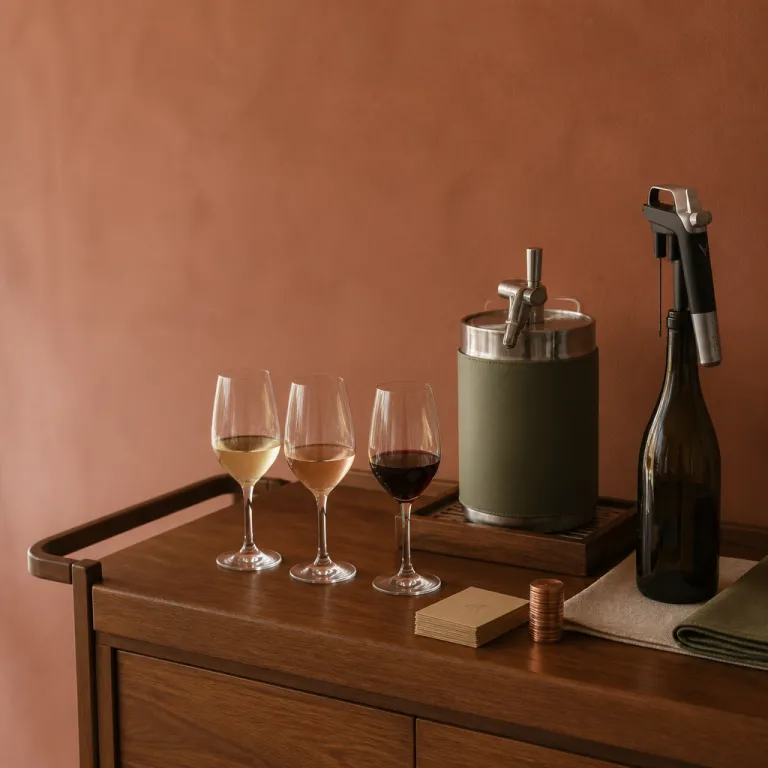
Reframing hotel bar concepts around wine by the glass
Most hotel bar concepts still treat wine by the glass as a side note. In a modern luxury hotel, that is a missed profit center in the bar, the restaurant and every adjacent lounge area. When you design hotel bar concepts around premium by the glass, you turn the hotel lobby, the bar lounge and even the cafe corner into high margin revenue engines.
Across hotel bars, the average wine margin per glass in hotel restaurants is often quoted as “Hotel restaurants often target margins of 70% to 85% per glass.” That is already stronger than most food margins in a hotel restaurant, yet many bar restaurant teams still push cocktails harder than wine. A sharper strategy uses bar design, lighting and seating to make wine the hero in both the hotel bar and the restaurant bar.
Think about your hotel lobby as a flexible wine lounge, not just a transient space. With the right interior design, a lobby bar counter and scattered bar stools can support a serious by the glass program that feels relaxed and free flowing. When guests see a modern bar with open bottles on display and clear design ideas around wine flights, they understand that this is not a generic bar interior but a curated experience.
Premium wine by the glass also changes how you plan stock and service patterns. Instead of tying cash into slow moving bottles on a back bar, you can rotate smaller allocations through Coravin, nitrogen systems or keg lines at the bar counter. That shift lets the bar team and the restaurant interior share a deeper list without overloading the cellar or the reception desk with complex manual tracking.
For F&B directors, the question is not whether hotel bar concepts should include wine by the glass, but how aggressively. A luxury hotel that aligns its bar luxury positioning, restaurant design and cafe interior around wine can capture spend from guests who might otherwise default to coffee or beer. Done well, the same hotel bars can also attract local residents who treat the bar lounge as their neighborhood wine cafe rather than a formal restaurant.
Preservation technology: Coravin, nitrogen and wine on tap
Coravin changed the economics of premium wine by the glass for hotel bar concepts. A Coravin device allows teams to pour from a bottle without removing the cork, which means the remaining wine stays preserved for weeks instead of days. That single shift lets a hotel bar offer rare wines by the glass in both the main bar and the adjacent restaurant bar without fearing waste.
Nitrogen preservation systems sit at the other end of the spectrum for hotel bars with higher volume. These systems replace oxygen in open bottles with inert gas, slowing oxidation and extending shelf life for mid tier wines on the bar counter and in the restaurant interior. They work especially well in a bar restaurant that wants a broad list of approachable wines in the lounge and cafe area, where guests order more spontaneously.
Wine on tap, supplied by keg wine distributors, is the workhorse option for modern bar operations. Wine kegs connect to tap systems just like beer, delivering consistent pours with minimal waste and strong gross margins in both the hotel restaurant and the hotel bar. For a nightclub style venue inside a luxury hotel, keg wine can support fast service at the bar counter while still aligning with a premium bar interior and lighting scheme.
Each technology has a clear place in serious hotel bar concepts. Coravin is best for low volume, high price point wines that support the bar luxury narrative and justify a higher price per glass in the lounge or cafe. Nitrogen systems suit the core by the glass list in the bar and restaurant design, while kegs shine in high throughput areas such as the lobby bar, the cafe interior and any nightclub bar restaurant hybrid.
Preservation technology also interacts with design ideas for the hotel lobby and bar lounge. Visible Coravin stations on the bar counter, sleek tap handles integrated into the bar design and compact nitrogen fridges in the cafe area all signal seriousness to guests. For deeper concept thinking on repositioning spirits and wine in hotel bars, see this analysis of heritage spirits and global flavors in the hotel bar, which pairs well with a premium by the glass strategy.
The margin math behind premium pours in hotel bars
Wine by the glass is one of the few levers in hotel bar concepts where the margin math is both simple and powerful. When you buy a bottle at a net cost of 20 dollars and sell four glasses at 18 dollars each, you generate 72 dollars of revenue from that bottle. After cost of goods, that is a gross margin of roughly 72 percent, which aligns with the benchmark that hotel restaurants often target margins of 70 percent to 85 percent per glass.
Compare that to a typical main course in a hotel restaurant, where food cost often runs between 28 percent and 32 percent. The same guests who hesitate at a 45 dollar entrée will often accept a 22 dollar glass of wine in a luxury hotel lounge if the service framing and bar design feel premium. That is why serious hotel bar concepts treat wine by the glass as a core profit driver, not an afterthought next to coffee and cocktails.
Preservation systems tighten this margin story by reducing waste and protecting stock. With Coravin, you can pour a single glass from a 150 dollar bottle at the bar counter, then hold the rest for weeks without compromising quality in the bar interior or restaurant bar. Nitrogen systems and kegging do the same at different price tiers, allowing the bar restaurant and cafe area to run leaner inventory while still offering breadth.
Revenue modeling should be as rigorous here as it is for rooms. A 200 room hotel that sells just one extra 18 dollar glass per occupied room per week adds more than 180,000 dollars in annual beverage revenue, assuming steady occupancy and consistent bar lounge capture. Layer in tasting flights in the restaurant interior, minibar half bottles and room service pairings, and the incremental uplift can rival a small restaurant opening without any new construction.
Concept programming matters as much as the math. Luxury hotel groups are already using curated wine dinners and bar lounge activations to drive check averages, similar to how initiatives like luxury dining series in major brands reposition hotel restaurants as destinations. The same thinking applied to by the glass lists can turn quiet lobby seating and cafe tables into high margin micro venues inside your existing hotel bars.
Designing hotel bar spaces that sell wine by the glass
Physical design either supports or sabotages your by the glass ambitions in hotel bar concepts. A cramped bar counter with poor lighting and awkward bar stools will never encourage guests to linger over a second glass, no matter how strong the list. In contrast, a modern bar with comfortable seating, clear sightlines to the bottles and a warm lounge atmosphere invites exploration.
Start with the hotel lobby, which is often the most underutilized area in a luxury hotel. When the reception desk, lobby bar and cafe seating feel integrated through coherent interior design, guests naturally drift from check in to the bar lounge. Low tables, mixed height bar stools and soft lounge chairs create zones where a quick coffee can turn into a glass of wine before dinner in the hotel restaurant.
Lighting is the second critical lever in hotel bar concepts. Bright, flat lighting makes a bar interior feel transactional, while layered lighting with warm tones makes the same space feel like a wine lounge. Use accent lighting on the back bar, the wine display and even the cafe interior shelves to signal that this is a place for considered drinking, not just a pass through area.
Restaurant design should echo these cues so that the transition from bar to restaurant bar feels seamless. If the restaurant interior has a visible wine wall or a small bar counter dedicated to Coravin pours, guests understand that the by the glass program continues at the table. That continuity encourages them to order a premium glass with each course instead of defaulting to a single bottle for the whole meal.
Finally, think about how nightclub style venues and quieter lounges coexist within your hotel bars. A high energy nightclub bar restaurant might rely more on keg wine and fast service, while a tucked away lounge area near the cafe calls for slower, more narrative driven service. For a deeper look at how service design and pricing intersect in high touch F&B, see this analysis of what you really pay for when you bring a private chef into a hotel or residence, which mirrors many of the same cost and value dynamics.
Training, service rituals and integration across the hotel
Even the best preservation technology and bar design will underperform if the équipe lacks confidence. Most hotel bar concepts cannot justify a full time sommelier in every outlet, yet they still need staff who can talk about wine with authority. The answer is structured, practical training that focuses on a tight by the glass list and clear service rituals.
Start by limiting the core by the glass selection in each bar and restaurant to a manageable number. When servers and bartenders know 12 to 18 wines deeply, they can recommend them naturally in the lounge, cafe and restaurant interior without scripts. Short, focused training sessions that cover flavor profiles, ideal food pairings and simple upsell language will move more premium pours than dense theory.
Service choreography should make wine feel easy and free of intimidation for guests. In the hotel lobby bar, that might mean presenting a small by the glass card alongside the coffee menu, with clear pricing and simple descriptors. At the restaurant bar, it could involve offering a two glass pairing suggestion for each main course, using the same wines that are already open on the bar counter or under nitrogen.
Integration across the property multiplies the impact of your hotel bar concepts. Room service should mirror the core by the glass list, with small carafes or sealed single serve formats that travel well from the bar interior to the guest room. Minibar programs in a luxury hotel can feature a couple of premium half bottles that echo the bar lounge selection, reinforcing the sense of a coherent wine narrative.
Finally, track the results with the same discipline you apply to rooms and meetings. Monitor mix of sales between by the glass and bottles in each bar restaurant outlet, watch how changes in seating layouts affect dwell time and test different design ideas for menu presentation. Over time, the data will show which hotel bars, cafe interiors and lobby areas truly convert wine interest into profitable, repeatable behavior.
FAQ
What is Coravin and why does it matter for hotel bars ?
Coravin is a device that allows wine to be poured without removing the cork, preserving the remaining wine. For hotel bar concepts, this means you can offer rare or expensive wines by the glass in the bar, restaurant and lounge without worrying about waste. That capability supports higher price points and a more ambitious list in both the hotel bar and the restaurant bar.
How do keg wine systems work in a hotel restaurant or bar ?
Wine is stored in stainless steel kegs and connected to a tap system, similar to draft beer. Gas pressure pushes the wine through lines to the bar counter, where staff pour consistent servings with minimal oxidation. In a modern bar or nightclub setting, this approach speeds up service, stabilizes quality and supports strong margins on high volume wines.
When should a hotel choose Coravin versus nitrogen or kegs ?
Coravin is best for low volume, high value wines that support a luxury positioning in the bar lounge or restaurant interior. Nitrogen systems suit mid priced wines with steady but not explosive volume, such as the core by the glass list in a lobby bar or cafe area. Keg wine works best where throughput is high, like a busy hotel restaurant, a nightclub bar or a large lounge with many tables and bar stools.
What kind of margins can hotels expect from wine by the glass ?
Hotel restaurants often target margins of 70% to 85% per glass, which is typically higher than food margins. Actual performance depends on product mix, pricing discipline and how well the bar interior and service rituals encourage second and third glasses. Preservation systems help protect those margins by reducing waste and allowing more ambitious pricing on premium pours.
How can staff sell wine confidently without a sommelier on duty ?
Focus training on a concise by the glass list and practical talking points rather than complex theory. Give bartenders and servers simple flavor descriptors, clear pairing suggestions with key dishes and structured prompts for offering upgrades in the lounge, cafe and restaurant bar. When the design of the bar, the lighting and the menu layout all support that story, staff can sell wine naturally even without formal certification.
References
KitchenNmbrs ; Coravin Inc. ; leading keg wine distributors and hotel restaurant operators.