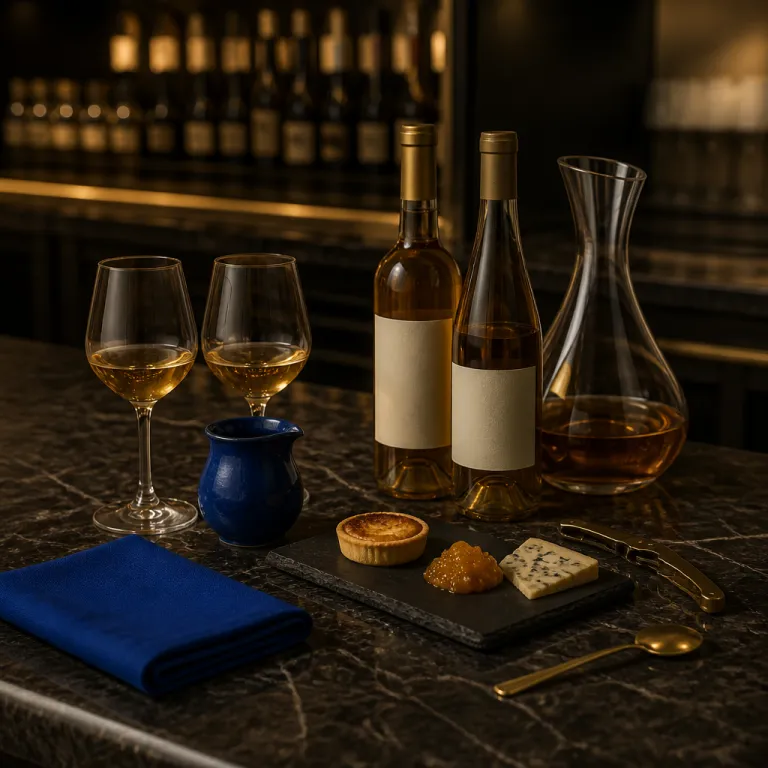
Why french dessert wine belongs at the heart of modern beverage programs
French dessert wine is often treated as an afterthought, yet it can become a signature pillar of a hotel or restaurant beverage strategy. When Directeurs F&B position these sweet wines as curated experiences rather than occasional indulgences, they unlock new revenue streams and deeper guest engagement. A focused approach to French dessert wines also reinforces the perception of expertise, especially in properties that already highlight French cuisine or refined pastry programs.
Across France, producers craft a wide spectrum of sweet wine styles, from botrytised Sauternes and neighbouring Barsac to fortified Muscat and oxidative vin paille from the Jura region. Each wine region offers distinct expressions shaped by grapes, climate, and wine production methods, which gives beverage directors a rich palette for pairing menus, upselling flights, and designing seasonal promotions. For hotel groups and exploitants indépendants, this diversity allows a tiered strategy that ranges from accessible dessert wines by the glass to rare bottles positioned as celebratory centerpieces in the wine cellar.
In Bordeaux, Sauternes remains the reference point for many wine experts, with estates such as Château de Rayne Vigneau and Château les Justices illustrating both prestige and value. These sweet wines, built on Sémillon and Sauvignon Blanc grapes affected by noble rot, deliver complex layers of honey, citrus, and spice that pair effortlessly with a wide range of dessert options. When framed correctly on the menu, a single glass of Sauternes or another French dessert wine can transform a simple sweet dessert into a memorable finale that guests associate with the property for years.
Designing profitable french dessert wine programs for hotels and resorts
Building a profitable French dessert wine program starts with understanding guest behaviour across outlets, from fine dining restaurants to lobby bars and in room dining. Directeurs F&B should map where dessert wines can naturally appear in the guest journey, then define clear roles for each style of sweet wine within those touchpoints. This structured approach avoids random listings and instead creates a coherent narrative that staff can explain with confidence during wine tasting interactions.
In resort environments and on cruise ships, where bar programs already highlight experiential cocktails, French dessert wines can be positioned as the quiet luxury alternative. Lessons from advanced cruise line bar programs, analysed in this detailed debrief on what cruise line bar programs can teach hotel operators, show that guests respond strongly to themed flights and storytelling around regions and châteaux. Translating this insight on land, a property might offer a “Bordeaux sweet wine journey” featuring Sauternes, Barsac, and a contrasting sweet white wine from another French wine region to highlight terroir differences.
Pricing strategy should balance accessibility and aspiration, with at least one glass pour of dessert wine under a psychologically comfortable threshold and a few iconic references such as Château d’Yquem at the top. Groupes hôteliers can negotiate volume contracts with producers like Château de Rayne Vigneau or Rhône specialist Vidal Fleury to secure consistent supply of both flagship wines and more affordable cuvées. Over several years, this disciplined curation builds recognition among repeat guests, who begin to treat the property’s French dessert wine list as a reason to return and to recommend the venue as their favorite dessert destination.
From noble rot to vin paille : technical choices that shape guest experience
For chefs exécutifs and sommeliers, understanding how French dessert wines are made is essential to pairing them intelligently with pastry and cheese programs. In Sauternes and neighbouring regions, Botrytis cinerea creates noble rot, concentrating sugars and acids in the grapes and giving the wines their signature tension between richness and freshness. This phenomenon underpins the style of many of the best dessert wines from Bordeaux, including those from Château les Justices and Château de Rayne Vigneau.
Elsewhere in France, producers rely on different techniques to achieve sweet wine styles that can diversify a hotel list and avoid monotony. In the Rhône Valley, Vidal Fleury works with Muscat de Beaumes de Venise, a fortified Muscat wine where fermentation is halted to preserve natural sweetness while keeping alcohol broadly in the low to mid teens, a range often cited for French dessert wines. In the Jura wine region, vin paille is produced from dried white grapes, which yields concentrated sweet wines with nutty, oxidative notes that work beautifully with caramelised fruit or a sweet dessert based on nuts and spices.
These technical differences matter operationally because they influence serving temperature, glassware, and ageing potential in the wine cellar. A botrytised sweet wine from Bordeaux may evolve gracefully over many years, while a lighter fortified Muscat might be best showcased in its youth to highlight floral aromatics. For beverage directors focused on sustainability, insights from this analysis of how the green bottle of wine is reshaping beverage programs can guide packaging choices for dessert wines, especially when balancing premium cues with lower glass weight and reduced transport impact.
Pairing french dessert wines with contemporary menus and pastry programs
Modern hotel menus rarely follow the classic structure of starter, main course, and dessert, which forces F&B teams to rethink how they position sweet wines. Guests may share small plates, order a favorite dessert to split, or skip pastry entirely in favour of cheese or a final savoury dish. In this context, French dessert wines must be presented as versatile partners that can accompany both sweet dessert courses and more unexpected pairings.
Sauternes and other botrytised white wines from Bordeaux excel with traditional French dessert classics such as tarte Tatin, crème brûlée, and île flottante, but they also shine with blue cheeses and foie gras. Lighter sweet wines based on Sauvignon Blanc or Muscat can match fruit driven desserts or even refined vegetable dishes, such as wax bean preparations or savoury tarts, especially when chefs integrate subtle sweetness or spice. For menu development teams seeking inspiration, this guide to refined recipes for wax beans that elevate hotel and restaurant menus illustrates how vegetal sweetness can echo the honeyed notes of dessert wine without overwhelming the palate.
Vin paille and other oxidative sweet wines from cooler regions of France bring a different profile that suits nut based pastries, chocolate desserts, and aged hard cheeses. When chefs and sommeliers collaborate closely, they can design tasting menus where each course has a potential sweet wine pairing, even if the guest ultimately orders only one glass. Over time, this integrated approach trains both staff and clientele to see French dessert wine not as an optional extra, but as an essential component of the overall dining narrative.
Operational excellence : training, storage, and storytelling around dessert wines
Even the best French dessert wine list fails without rigorous execution on the floor and behind the bar. Staff must understand why these wines cost more per centilitre than many table wines, how noble rot affects yields, and why certain châteaux release bottles only after several years of ageing. This knowledge allows servers to justify pricing confidently and to guide guests toward styles that match their preferences for sweetness, acidity, and body.
From an operational standpoint, dessert wines require careful management in the wine cellar, including temperature control, upright storage for open bottles, and clear labelling of opening dates. Many sweet wines can remain stable for several weeks once opened if stored correctly, which supports profitable by the glass programs and reduces waste in both large hotels and smaller exploitants indépendants. Investing in preservation systems for high value bottles such as Château d’Yquem or top Barsac cuvées can further extend service life and enable premium tastings without committing to full bottle sales.
Storytelling completes the equation, turning technical facts into compelling narratives that resonate with guests and investors alike. Teams can highlight the cultural heritage of French wine regions, the painstaking late harvest of grapes affected by noble rot, and the role of local partners such as vineyards, wine merchants, and exporters in sustaining rural economies across France. When wine experts on staff share these stories during wine tasting events or table side recommendations, they reinforce the property’s authority and position its dessert wines as thoughtful expressions of place rather than generic sweet options.
Strategic sourcing and innovation : aligning french dessert wines with brand positioning
For groupes hôteliers and investors in restauration, the selection of French dessert wines should align tightly with brand identity and target clientele. A luxury urban hotel might focus on grand châteaux from Bordeaux and iconic references like Château d’Yquem, while a lifestyle property in the mountains could emphasise vin paille and other alpine sweet wines that echo the surrounding landscape. Independent operators can differentiate by highlighting lesser known wine regions of France, capitalising on the rising interest in organic production and artisanal wine production methods.
Working directly with producers such as Château de Rayne Vigneau, Château les Justices, and Vidal Fleury allows F&B directors to secure allocations, negotiate pricing, and co create experiences such as winemaker dinners or vertical tastings across multiple years. These partnerships also support staff education, as visiting producers can explain in detail how late harvest, noble rot, or fortification shape the final dessert wine style. As one succinct training note often reminds teams, “What grapes are used in French dessert wines? Commonly Sémillon, Sauvignon Blanc, Muscadelle, and Muscat.”
Innovation does not mean abandoning tradition ; it means presenting classic French dessert wines in formats that match contemporary guest expectations. Properties can experiment with half bottles, curated tasting flights, or pre set dessert and sweet wine pairings that guests can order with a single click in digital menus. By tracking performance data over several years and adjusting the mix of white wine and sweet wines from different regions, Directeurs F&B can refine their portfolios to highlight the best performing labels and to ensure that every glass poured contributes meaningfully to both guest satisfaction and financial results.
Key figures and benchmarks for french dessert wine programs
- Average alcohol content for many French dessert wines, including fortified styles such as Muscat de Beaumes de Venise, typically sits somewhere in the low to mid teens by volume, which keeps them approachable for guests who might hesitate with higher strength digestifs.
- A typical ageing period of roughly 10–18 months in tank or barrel before release allows many sweet wines to integrate oak and develop complexity, giving hotels a practical window for planning inventory and menu placements, while recognising that some cuvées age for significantly longer.
- Botrytised wines from Sauternes and related regions often require selective harvesting over multiple passes, which can reduce yields dramatically compared with dry white wine production and justifies higher pricing on wine lists.
- Properties that introduce structured dessert wine flights alongside tasting menus frequently report higher average checks in the final course, with some operations seeing dessert revenue rise by 10–20 % once flights and pairings are standardised and promoted.
- Rising interest in organic and sustainably produced wines extends to dessert wines, encouraging F&B teams to highlight certifications and eco responsible practices in both staff training and guest facing materials.
FAQ about french dessert wine in hospitality programs
What is Sauternes and why is it important for hotels ?
Sauternes is a sweet wine from Bordeaux made from botrytized grapes, and it serves as a benchmark style for many French dessert wine programs. Its balance of sweetness and acidity makes it versatile for pairing with both desserts and savoury dishes such as foie gras. Featuring Sauternes on a list signals seriousness about French wine and gives staff a clear reference point when explaining noble rot to guests.
How is Muscat de Beaumes de Venise made and where does it fit on a menu ?
How is Muscat de Beaumes de Venise made? By fortifying Muscat grapes to halt fermentation, preserving sweetness. This technique creates an aromatic sweet wine that works well as an aperitif, with fruit based desserts, or alongside lighter cheeses. Hotels can position it as an accessible introduction to French dessert wines for guests who might find richer Sauternes styles too intense.
Which grapes are most common in french dessert wines ?
The dominant grapes in many French dessert wines are Sémillon and Sauvignon Blanc in Bordeaux, Muscadelle in some blends, and Muscat in fortified styles such as Muscat de Beaumes de Venise. These varieties respond well to noble rot, late harvest, or fortification, each method producing different expressions of sweetness and texture. Understanding these grapes helps sommeliers explain flavour profiles and suggest pairings more precisely.
How should hotels store and serve dessert wines to maintain quality ?
Dessert wines should be stored in a temperature controlled wine cellar, ideally between 10 and 14 °C, with open bottles kept upright and clearly dated. Many sweet wines remain stable for several weeks after opening if refrigerated and protected from oxygen, which supports profitable by the glass service. Serving slightly chilled in small white wine or dedicated dessert wine glasses helps concentrate aromas and keeps sweetness in balance.
Are french dessert wines still relevant for younger guests ?
Yes, younger guests increasingly appreciate authentic, story driven products, and French dessert wines fit this demand when presented creatively. Flights, pairing menus, and social media friendly storytelling around regions, châteaux, and production methods can make sweet wines feel contemporary rather than old fashioned. When teams frame them as part of a broader experience rather than a formal ritual, uptake among new generations improves significantly.