Why green wine bottles matter in modern hospitality beverage programs
Why the green bottle of wine matters for modern beverage programs
For a Directeur F&B or a hotel group, the humble green bottle of wine is no longer just a neutral container. It has become a strategic tool that influences wine list architecture, guest perception at the table, and long term asset protection in the cellar. In a market where wines must perform financially and narratively, the choice of bottle, glass color, and packaging now sits at the crossroads of brand storytelling, sustainability, and operational efficiency.
Historically, the green bottle emerged to shield wine from light, and that logic still holds in every serious wine program. Laboratory work on light strike in wine indicates that green glass can cut UV light transmission by roughly half compared with flint glass, depending on exact tint and thickness (for example, data compiled by the Comité Interprofessionnel du Vin de Champagne in its technical note on light strike and by major European glassmakers in their packaging guidelines). That protective effect directly supports flavor stability and longer shelf life for both red wine and white wine in professional storage. For operators managing hundreds of wine bottles across multiple outlets, that function translates into fewer spoiled bottles, more consistent wine tasting experiences, and a more reliable stock profile for both bordeaux and sparkling wine references.
In practice, the green bottle interacts with every step of the guest journey, from the first images on your digital menu to the moment the full bottle reaches the table. The silhouette and bottle shape of a wine bottle or champagne bottle signal quality tier, origin, and style before a single glass wine pour is made. When your équipe curates both red wines and white wines in antique green or lighter champagne green glass bottles, you are also curating expectations about body, freshness, and price point in a way that feels intuitive and almost friction free for the guest.
From cellar to table: operational advantages of green glass in hotels and resorts
Behind the scenes, the green bottle of wine is a quiet ally for chefs exécutifs and bar managers who must balance aesthetics with durability. Green glass is less prone to visible scuffs than clear glass bottles, which matters when bottles travel daily from cellar to bar to restaurant table. In high volume properties, that resilience protects the visual quality of both full bottles and half bottles, especially for bordeaux and red wine references that rotate slowly.
For large groupes hôteliers, standardizing on a family of green bottles simplifies storage, racking, and inventory routines across properties. Antique green formats stack efficiently, reduce light exposure in open cellars, and help teams identify wine bottles versus any stray beer bottle or other glass bottles at a glance. When a sommelier reaches for a bottle wine in a dim service corridor, the consistent glass color and label placement reduce handling errors and speed up service during peak periods.
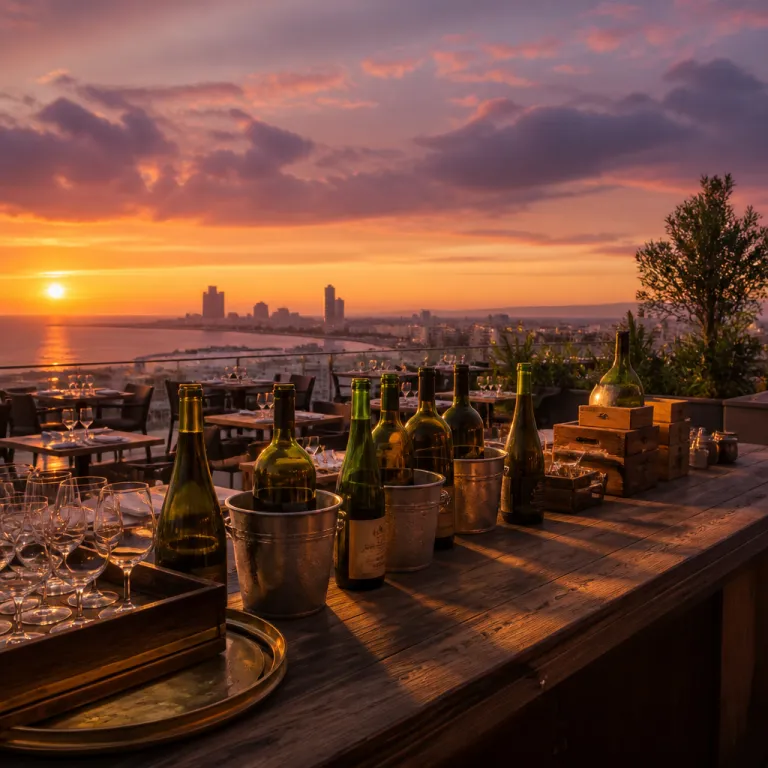
Service choreography also benefits from the visual coherence of green bottles on a white tablecloth or a dark wood table. A line of champagne green bottles on an ice display, next to a few white wine references in lighter green glass, creates a premium focal point that still feels operationally robust. Cruise line bar programs have mastered this balance between theatre and throughput, and hotel operators can learn from these high pressure environments by studying how cruise line bar programs inform hotel beverage strategy.
Designing profitable wine lists around bottle shape and glass color
When you engineer a beverage program, the green bottle of wine becomes a design parameter as important as grape variety or margin. Bottle shape, glass color, and label layout influence which wines guests notice first and which bottles they perceive as worthy of trading up. A tall, slender sparkling wine bottle in champagne green glass, for example, naturally draws the eye when placed beside shorter red wine bottles in darker antique green.
Smart Directeurs F&B use these visual cues to structure their wine tasting journeys and to guide guests from entry level wines to higher contribution references. By grouping green bottles with similar silhouettes, you can create clear price ladders for bordeaux, white wine, and sparkling wine without overloading the printed label information. This visual merchandising works equally well on a physical table display, a back bar, or a digital wine list that uses high quality images with a clean white background and descriptive alt text such as “antique green bordeaux bottle on white background” to showcase each full bottle.
Portion strategy also interacts with bottle selection, especially when you introduce half bottle formats or premium by the glass wine flights. A curated mix of 75 cl full bottles, 37,5 cl half bottles, and magnums in green glass allows you to build tasting experiences that raise average spend without overwhelming guests. For a deeper dive into how format and pour size drive revenue, many operators now benchmark against best practices such as using half sized cocktails and tasting flights to increase bar spend, then adapt those principles to wine bottles and champagne bottle service.
Sustainability, recycling, and the business case for green bottles
For investors and independent exploitants, the green bottle of wine is also a lever for measurable sustainability gains. Green glass typically incorporates a higher proportion of recycled cullet than flint glass, which reduces energy use and supports circular economy goals. Industry associations such as FEVE (the European Container Glass Federation) report in their public statistics that increasing recycled content in packaging glass can cut furnace energy consumption and CO₂ emissions per tonne produced, which reinforces the environmental case for green bottles in large hotel portfolios.
Recycling programs are easier to implement when your operation standardizes on green bottles and glass wine formats that local facilities accept at scale. Clear sorting rules for glass bottles, beer bottle formats, and other packaging help your équipe reduce contamination and increase the share of material that returns to the furnace. This is where the question from many guests — “Is green glass more sustainable?” — meets a clear operational answer, supported by the fact that “Is green glass more sustainable? Yes, it often incorporates more recycled materials.”
From a brand perspective, communicating your approach to recycling and sustainable packaging around wine bottles can strengthen loyalty among environmentally conscious travelers. Detailed menu notes that explain why your bordeaux and red wine selection uses antique green glass, or how your champagne bottle suppliers optimize glass color for both UV protection and recycling, turn a technical choice into a narrative asset. For a broader framework on measurable sustainability in F&B, many hotel groups align their beverage strategy with guidelines similar to those discussed in industry analyses of sustainable F&B practices that cut cost and lift booking performance.
Guest perception, visual storytelling, and digital assets
On the guest facing side, the green bottle of wine shapes perception long before the sommelier reaches the table. High resolution images of wine bottles on your website or QR menu, shot against a neutral white background, influence how guests pre select wines and set their spending range. When those images accurately reflect bottle shape, glass color, and label design, they reduce friction at the moment of ordering and support a more confident choice between red, white, and sparkling wine options.
For marketing équipes, building a coherent stock of visual assets around green bottles is now as important as curating the physical cellar. That means commissioning photography where green glass, antique green tones, and champagne green hues are rendered faithfully, without color casts that mislead guests about style or quality. It also means ensuring that both single bottle shots and group images of bottles on a table or bar counter show consistent lighting, so that a full bottle of bordeaux in dark glass and a half bottle of white wine in lighter green glass still feel part of the same brand universe.
Digital storytelling extends to social media, where a simple shot of a wine bottle or beer bottle on a terrace can communicate far more than the liquid itself. When your posts highlight the green bottle as a symbol of both heritage and recycling minded modernity, you reinforce the message that your wines are chosen with care from winemakers and glass manufacturers who share your values. In this context, even a casual wine tasting photo becomes a subtle signal about your sourcing standards, your respect for packaging life cycles, and your commitment to reducing waste while maintaining a premium guest experience.
Working with winemakers and glass manufacturers on future ready programs
Strategic collaboration with winemakers and glass manufacturers is essential if you want the green bottle of wine to support long term beverage innovation. Winemakers bring deep knowledge of how different wines react to light, oxygen, and temperature, while glass manufacturers understand the technical limits of green glass, bottle weight, and structural integrity. Together, they can help Directeurs F&B specify glass color, bottle shape, and label zones that align with both brand identity and operational realities in busy hotel environments.
When you brief partners, frame the green bottle not only as a protective shell but as a revenue generating interface between guest and product. Ask for options that balance antique green aesthetics with lighter weight designs that reduce transport emissions, while still feeling substantial when a guest holds the full bottle at the table. Clarify how your équipe handles stock rotation, recycling flows, and mixed service — for example, when the same red wine appears both by the glass and as a full bottle wine pairing in the gastronomic restaurant.
Continuous dialogue also opens the door to innovation in formats, such as premium half bottle lines for in room dining or compact green bottles tailored to limited space on cruise ships and boutique hotel bars. As you refine your program, revisit core questions with partners, including “Why are wine bottles green? To protect wine from UV light, preventing spoilage.” and “Do all wines use green bottles? No, some use clear or amber bottles based on type.” These reference points keep every stakeholder aligned on the functional role of the green bottle, even as you push for new expressions in packaging, label design, and guest experience.
Key figures on green bottles, preservation, and sustainability
- Green glass used for a typical green bottle of wine can reduce UV light penetration by around 50–60 %, depending on exact composition and thickness, which significantly lowers the risk of light induced spoilage for both red wine and white wine in open storage areas (sources include Rioja Murillo Viteri, technical note on green bottles and UV protection, interprofessional studies on light strike in wine, and the Comité Champagne light strike guidelines).
- Many industrial glass manufacturers report that standard green bottles often contain a higher proportion of recycled cullet than clear bottles, which can reduce energy consumption in the furnace and associated CO₂ emissions per tonne of glass produced (source: aggregated data from European glass packaging associations such as FEVE and sustainability reports from major glassmakers).
- In mature wine markets, operators frequently report that more than half of their still wine references for bordeaux and other structured reds are bottled in antique green glass, reflecting both tradition and the need for stronger light protection in long term cellaring (source: trade surveys among on trade buyers and category reviews in professional wine publications and conference presentations).
- Hotel and resort beverage programs that standardize on a limited set of bottle shapes and glass colors, including a dominant family of green bottles, often achieve measurable reductions in breakage and handling errors, which can translate into several percentage points of margin improvement on wine sales (source: internal benchmarking from large hotel groups and case studies shared at industry conferences).
FAQ about green bottles of wine in hospitality programs
Why are wine bottles green in most professional cellars ?
Wine bottles are often green because this glass color filters a significant portion of UV light that can damage wine. The protection is especially valuable for red wine and bordeaux styles that age for longer periods in storage. By using green bottles, operators reduce the risk of light strike and preserve flavor integrity for guests.
Do all wines need to be in a green bottle to be protected ?
Not all wines require a green bottle, because some styles are designed for rapid consumption and are less sensitive to light. Aromatic white wine and certain sparkling wine references may appear in clear glass when visual impact is prioritized over long term cellaring. However, for serious aging programs, antique green or darker glass remains the safer choice.
Is green glass really more sustainable than clear glass in hospitality ?
Green glass is often more sustainable because it can incorporate a higher share of recycled material without compromising strength or appearance. This makes it easier for glass manufacturers to close the recycling loop and for hotels to communicate credible environmental commitments. The key is to pair green bottles with robust recycling systems that capture a high percentage of used packaging.
How should F&B teams photograph green bottles for menus and marketing ?
F&B équipes should use consistent lighting and a neutral white background when photographing green bottles for digital menus or campaigns. This approach ensures that glass color, label details, and bottle shape are clearly visible and accurately represented. High quality images with descriptive alt text help guests make confident choices and reduce confusion between similar wines.
Can green bottles be used effectively for beer and other beverages in hotels ?
Green bottles can work well for beer and other beverages, provided the product is not extremely light sensitive. Many premium beer bottle formats use green glass to signal heritage and align visually with wine bottles on the back bar. For mixed programs, operators should coordinate glass color and label design so that beer, wine, and champagne bottles still feel coherent within the overall brand environment.