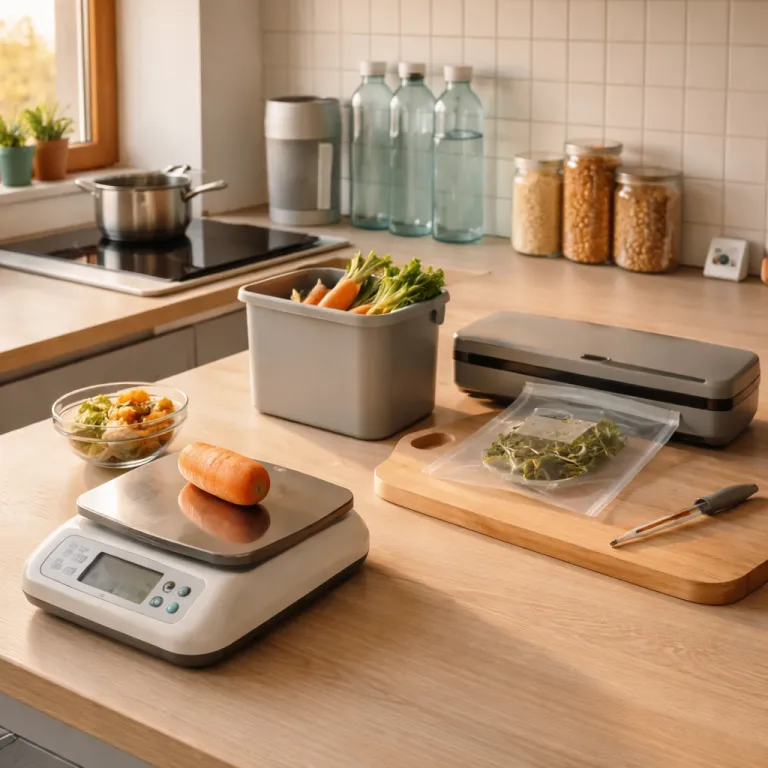
Why sustainable F&B hospitality is now a hard P&L lever
Sustainable F&B hospitality has moved from brand narrative to measurable margin driver. For any general manager balancing food cost, payroll and RevPAR, sustainability in food and beverage now sits alongside revenue management as a core discipline. Industry surveys consistently report that a clear majority of consumers prefer sustainable dining options, with recent research from major travel platforms indicating that roughly two thirds of travellers actively seek eco conscious stays and restaurant experiences, so the link between sustainability, food choices and hospitality performance is no longer theoretical.
Across hotels and restaurants, the operators winning share treat sustainability as an operating system, not a marketing campaign. They redesign menus, dining flows and sourcing contracts to create sustainable solutions that cut waste and raise average check without compromising guest satisfaction. This is where eco friendly practices in the F&B sector start to translate into higher review scores, stronger loyalty and a more resilient long term profit profile, because guests can see and taste the difference in everyday dining experiences rather than in abstract ESG reports.
Chains like Loews Hotels & Co with its Freshly Rooted initiative, Essensia Restaurant with its local sourcing strategy and Hotel Marcel as a fully electric property show how sustainability, food quality and hospitality standards can align. These hospitality businesses use local partners, plant based options and energy efficient equipment as concrete eco solutions, not abstract commitments. Loews, for example, reported double digit percentage reductions in food waste and meaningful food cost savings within the first year of Freshly Rooted, while maintaining guest satisfaction scores, illustrating how targeted sustainable F&B hospitality programs can support both margin and market positioning. For a GM, the lesson is clear: sustainable F&B hospitality is about specific choices in food beverage procurement, restaurant concepts and experiential dining design that you can track, benchmark and report.
The measurement stack that makes sustainability bankable
Without numbers, sustainable F&B hospitality remains a mission statement that never reaches the balance sheet. The operators who are ahead have built a measurement stack that covers food waste, sourcing traceability and energy per cover across all dining experiences. They treat every restaurant, bar, banquet event and in room dining outlet as a data source for sustainability KPIs and integrate these indicators into regular performance reviews alongside traditional F&B metrics.
At minimum, you need three layers of measurement in hospitality F&B operations. First, waste tracking that distinguishes pre production food waste, plate waste and buffet waste by meal period and menu item, because this is where monthly menu reviews can prevent an estimated 20–35 % of kitchen waste before generation. Tools such as Leanpath, Winnow or in house digital waste logs allow teams to capture this data consistently and link it to recipes and purchasing. Second, sourcing visibility that tags each ingredient as local, regional or imported and flags sustainable certifications so you can report credibly on eco friendly sourcing to guests and investors, ideally through a centralised procurement system or supplier portal.
Third, energy and water per cover, ideally linked to your property management and kitchen equipment systems, so you can see which restaurant concepts and menus are driving disproportionate resource use. A simple starting point is to divide monthly kitchen energy consumption by total covers served to establish a baseline, then refine by outlet and daypart as metering improves. This is where future F&B planning becomes more precise, because you can compare the energy profile of plant based dishes versus meat heavy items in real dining situations. When you present this measurement stack, supported by internal dashboards and external benchmarks that suggest integrated sustainable practices can reduce operational costs by around 20 %, sustainable solutions stop being soft initiatives and start looking like structured solutions that enhance customer profitability and reduce risk.
From waste to menu engineering ; cutting 20–35 % without touching the plate
The fastest ROI in sustainable F&B hospitality usually comes from food waste reduction, not from new equipment. Industry analysis and case studies, including work by the World Resources Institute and Champions 12.3, suggest that monthly menu reviews and structured waste tracking can prevent roughly 20–35 % of kitchen waste before it is even generated, which is a direct margin gain for any hotel or restaurant. For a 300 room property with three F&B outlets, that can mean tens of thousands of euros in annual savings while also improving the customer experience through fresher production and tighter quality control.
Digitised prep sheets, predictive production and kitchen IoT tools allow F&B teams to align sourcing, menus and event forecasts with real demand patterns. When you integrate a predictive prep approach, as detailed in this analysis of kitchen IoT and the 20 to 35 percent waste cut, you move from reactive to proactive waste management. That shift lets hospitality businesses cut overproduction, reduce last minute purchasing and free up storage space while maintaining high quality dining experiences for guests, and it gives chefs concrete data to support menu engineering decisions.
On the floor, sustainable solutions include smaller batch cooking for buffets, dynamic portioning for banquets and menu design that repurposes trim into high value dishes. Chefs use plant based components, stocks and sauces to turn what was once food waste into signature items that enhance customer perception of creativity and care. When your F&B sector teams see waste as a design challenge rather than a cost of doing business, sustainable F&B hospitality becomes a source of new restaurant concepts and experiential dining formats that guests talk about, while your finance team sees a clear reduction in food cost variance and write offs.
Sourcing, local ecosystems and the new guest contract
Sourcing is where sustainable F&B hospitality intersects most visibly with community impact and guest trust. When hotels and restaurants commit to local producers, seasonal food and transparent supply chains, they create dining experiences that feel grounded rather than generic. Guests increasingly expect hospitality businesses to explain not only what is on the plate but also where it came from and why it was chosen, and they reward properties that make these stories part of the overall stay.
Operators like Loews Hotels & Co and Essensia Restaurant show how local sourcing strategies can become part of the brand narrative without sliding into greenwashing. They use sustainable suppliers, plant based options and eco friendly logistics to build menus that reflect both place and purpose, and they back up claims with supplier profiles, farm visits and seasonal menu changes that guests can see. For GMs, the practical step is to map your current sourcing, identify categories where local businesses can replace distant suppliers and then build a communication plan that explains these choices in clear, non technical language across menus, pre stay emails and on property storytelling.
Functional ingredients and health focused concepts are also reshaping sustainable F&B hospitality, especially in wellness oriented hotels. Partnerships with specialised providers, such as those highlighted in this piece on premium health food raw material suppliers, show how food beverage programs can align sustainability with performance nutrition. When you connect sourcing decisions to tangible benefits for guests, from energy levels to allergen transparency, you enhance customer trust and justify price points that support long term relationships with local partners and a more resilient supply chain.
Designing restaurant concepts and experiences that make sustainability visible
The most effective sustainable F&B hospitality strategies are visible without being theatrical. Guests should feel the eco friendly intent in the way dining rooms are laid out, menus are structured and experiences are sequenced, rather than through slogans on tent cards. That means designing restaurant concepts where sustainability, food quality and hospitality service standards are integrated from the first sketch and tested through pilot services before full rollout.
Experiential dining formats give you a powerful canvas to express sustainability in ways that resonate emotionally and commercially. Think chef counters that highlight local producers, plant based tasting menus that sit confidently alongside classic options or lobby bars that turn surplus ingredients into signature zero waste cocktails. When these dining experiences are framed as upgrades to flavour, storytelling and conviviality, guests perceive them as added value rather than compromise, and they are more likely to share them on social channels and in reviews.
Properties like Hotel Marcel and the amanaki hotel illustrate how architecture, energy systems and F&B hospitality design can reinforce each other. A fully electric, fossil fuel free building paired with eco solutions in the kitchen and bar sends a coherent message that supports premium pricing and strong review scores. For GMs, the task is to brief design teams so that sustainable F&B hospitality is treated as a creative constraint that unlocks new experience F&B possibilities, not as a checklist added after the concept is finalised, and to ensure that operational teams are involved early so that concepts remain practical at scale.
Communicating sustainability without greenwashing ; language that earns trust
Communication is where many sustainable F&B hospitality initiatives lose credibility. Guests are increasingly adept at spotting vague claims, so language around sustainability, food sourcing and eco friendly practices must be specific and verifiable. Statements such as “locally sourced where possible” or “eco conscious menus” without data or examples now erode trust rather than build it, especially when online reviews and social media make inconsistencies easy to spot.
Effective communication focuses on concrete actions, measurable outcomes and clear benefits for guests. For example, stating that “this restaurant reduced food waste by around a quarter in twelve months through monthly menu reviews and predictive prep” gives guests a reason to believe and a story to share. When you explain that “this hotel sources a majority of its vegetables from farms within a defined radius and features them in seasonal menus and dining experiences”, you connect sustainability to flavour, freshness and local identity, and you give corporate buyers and travel planners specific talking points.
Digital channels are critical here, from QR code menus that detail sourcing to pre stay emails that outline eco solutions and invite guests to participate. Linking to content such as refined recipes that elevate hotel and restaurant menus can also show depth behind your claims and demonstrate that sustainable F&B hospitality is embedded in culinary development, not just in marketing copy. When communication is honest about trade offs, such as limited availability of certain items or higher prices for certified products, guests tend to reward that transparency with stronger loyalty and better review scores.
Aligning the CFO, the chef and the GM around sustainable F&B
The final test for sustainable F&B hospitality is whether it survives the budget meeting. To convince a CFO, you need a clear link between sustainability initiatives, cost savings and revenue growth across all F&B sector outlets. Hotel management reports and industry benchmarks, including analyses by global hotel groups and sustainability coalitions, often indicate that integrated sustainable practices can reduce operational costs by around 20 %, especially when waste reduction, energy efficiency and smart sourcing are implemented together and tracked through a shared dashboard.
Frame each initiative in terms of payback period, risk reduction and brand differentiation. Waste reduction programs, energy efficient equipment and menu engineering that favours plant based dishes with strong margins usually have short payback horizons and clear downside protection. Longer horizon projects, such as full building retrofits or comprehensive sourcing overhauls, can be justified by their impact on guest acquisition, corporate RFP performance and the ability to command premium rates for events and experiential dining packages, particularly when supported by third party certifications and verified performance data.
Cross functional governance is essential ; the GM, F&B director and executive chef must align on targets for sustainability, food quality, hospitality standards and financial performance. When everyone agrees that sustainable solutions enhance customer satisfaction, reduce volatility in food beverage costs and strengthen the property’s positioning, trade offs become easier to manage. In that context, sustainable F&B hospitality stops being a side project and becomes a core pillar of the hotel’s long term strategy, with clear owners, timelines and metrics.
Key figures shaping sustainable F&B hospitality
- Industry surveys indicate that roughly two thirds of consumers prefer sustainable dining options, which means that sustainability in food and beverage is now a top three driver of eco conscious travel decisions and directly influences booking choices, especially for younger and corporate segments.
- Hotel management reports and benchmarking studies suggest that integrated sustainable practices can reduce operational costs by around 20 %, especially when waste reduction, energy efficiency and smart sourcing are implemented together across restaurants, bars and banquet operations and tracked through a unified reporting framework.
- Monthly menu reviews combined with predictive prep and kitchen IoT tools are estimated to prevent 20–35 % of kitchen waste before it is generated, turning food waste reduction into one of the fastest ROI levers in hospitality F&B and freeing up labour for higher value guest facing tasks.
- Properties that adopt structured sustainability programs, including local sourcing and eco friendly operations, often report improved brand reputation and higher guest satisfaction scores, which in turn support stronger rate positioning and event sales and help win corporate RFPs with explicit ESG criteria.
- Zero emission or fully electric hotels such as Hotel Marcel demonstrate that deep sustainability investments can coexist with high service standards, offering a blueprint for the future F&B and lodging model and providing concrete case studies for owners and lenders evaluating similar projects.
FAQ about sustainable F&B hospitality
What is sustainable hospitality in food and beverage ?
Sustainable hospitality in food and beverage means implementing eco friendly practices across all F&B operations, from sourcing and menus to waste and energy. It involves reducing environmental impact, supporting local economies and promoting healthful dining without compromising guest experience. In practice, that includes local sourcing, plant based options, waste tracking, energy efficient kitchens and transparent reporting on progress.
Why is local sourcing important for hotels and restaurants ?
Local sourcing reduces transportation emissions, supports nearby businesses and often improves freshness and flavour. For hotels and restaurants, it also creates a stronger sense of place that enhances dining experiences and differentiates the property. When communicated clearly, local sourcing builds guest trust and can justify premium pricing, particularly for experiential dining and event packages.
How can hotels reduce food waste without hurting the guest experience ?
Hotels can reduce food waste by using predictive prep, smaller batch cooking, smart buffet design and monthly menu reviews that remove low performing items. These methods cut overproduction before it happens, so guests still see abundance and quality on the line. Clear communication about freshness and made to order options often improves the customer experience while lowering costs and stabilising food cost percentages.
Which certifications matter most for sustainable F&B hospitality ?
Certifications such as LEED for buildings and recognised sustainable sourcing labels for ingredients help validate claims and reassure guests. They signal that an independent body has verified energy efficiency, waste reduction and responsible sourcing practices. However, certifications work best when paired with transparent, property specific data rather than generic badges, and when teams can explain what each label means in simple terms.
How should GMs present sustainability investments to their CFOs ?
GMs should present sustainability investments with clear financial metrics, including expected cost savings, payback periods and revenue impacts. Waste reduction, energy efficiency and menu engineering projects often show quick returns and reduced risk exposure, especially when linked to the 20–35 % waste cut and ~20 % cost reduction benchmarks. Linking these initiatives to guest satisfaction scores, corporate RFP requirements and long term asset value strengthens the business case for sustainable F&B hospitality.