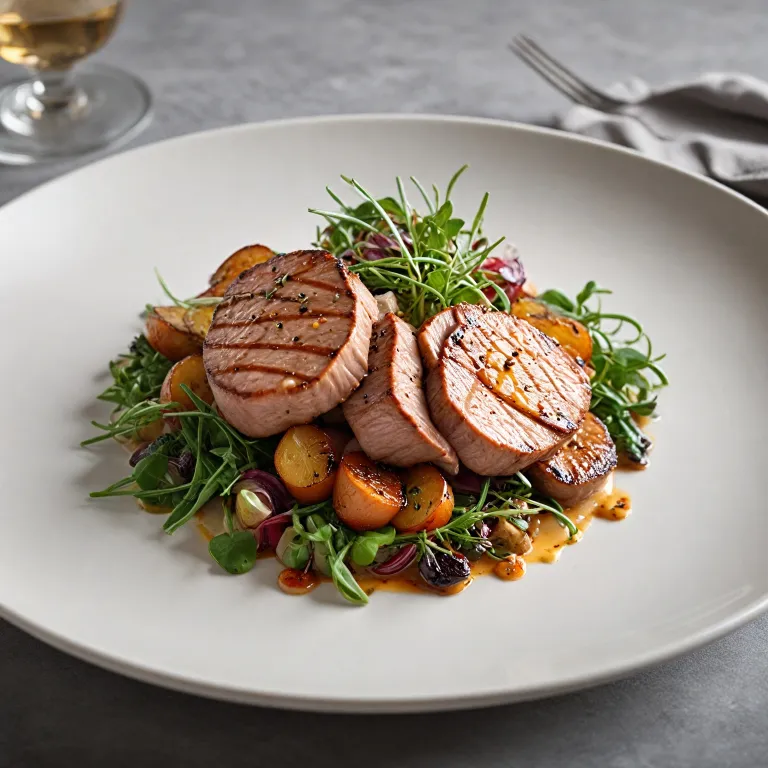
Understanding lean cuts of pork in contemporary hospitality
Lean cuts of pork have become a focal point for directeurs F&B, chefs exécutifs, and hospitality groups seeking to balance health, flavor, and operational efficiency. The evolution of pork production has resulted in pork cuts that are, on average, 16% leaner than two decades ago, reflecting both consumer demand and industry innovation. As the hospitality sector prioritizes plant forward and minimally processed foods, lean pork cuts such as pork tenderloin, pork loin, and boneless pork chops offer a compelling protein option with low fat content and high culinary versatility. The nutritional profile of lean pork is particularly attractive for health-conscious guests. A 3-ounce serving of pork tenderloin contains just 2.98 grams of fat, nearly identical to skinless chicken breast, making it a standout among red meats. These lean cuts provide substantial protein, essential B vitamins, and minerals, supporting balanced meals without the higher fat and saturated fat content associated with traditional pork belly or processed pork foods. For F&B directors and chefs, leveraging lean pork cuts aligns with modern menu trends and guest expectations for healthful, satisfying food experiences.Optimizing procurement and supplier relationships for lean pork cuts
Strategic sourcing of lean pork cuts is essential for both independent operators and hotel groups aiming to deliver consistent quality and value. Collaborating with pork producers who prioritize lean minimally processed pork ensures access to premium cuts with visible fat trimmed and optimal fat content. Suppliers can provide detailed specifications for pork tenderloin, pork loin, and pork chops, enabling kitchens to standardize portion sizes and control fat cooking variables. Building strong partnerships with suppliers also facilitates transparency regarding the origin, processing, and sustainability of pork cuts. This is increasingly important as guests inquire about the provenance and health attributes of their meals. For example, by specifying pork cuts with minimal visible fat and lower saturated fat, F&B teams can confidently market their dishes as both indulgent and health-conscious. For further insights on optimizing supplier relationships and procurement strategies, refer to this comprehensive guide on sustainable sourcing for hospitality F&B.Menu engineering: integrating lean pork into plant forward and health-driven offerings
Menu engineering with lean pork cuts allows chefs to create dishes that appeal to a broad spectrum of guests, from those seeking high protein to those preferring low fat, minimally processed foods. Pork tenderloin and pork loin are particularly well-suited for grilling, roasting, and broiling, which preserve their leanness and enhance natural flavors without the need for excess oil or fat. These cooking methods also help maintain the internal temperature required for food safety while keeping the fat content low. The versatility of lean pork cuts supports creative menu development, from classic pork chops paired with seasonal vegetables to globally inspired meals featuring lean pork in plant forward preparations. Incorporating pork into salads, grain bowls, and small plates allows for portion control and aligns with trends toward lighter, balanced eating. For more on menu innovation and plant forward strategies, visit our resource on plant-based and protein-forward menu design.Cooking methods and operational best practices for lean pork
Proper cooking methods are critical to maximizing the quality and appeal of lean pork cuts in hospitality settings. Grilling, roasting, and broiling are recommended for lean pork as they minimize the addition of oil and retain the natural juiciness of the meat. Avoiding excessive fat cooking techniques, such as deep frying or heavy sautéing, helps maintain the low fat and saturated fat profile of these cuts. Monitoring internal temperature is essential for both food safety and optimal texture. Lean pork should be cooked to an internal temperature of 63°C, followed by a rest period to ensure tenderness and juiciness. Chefs should also consider marinating lean pork cuts to enhance flavor and moisture without increasing fat content.Comparing lean pork to other proteins: nutritional and operational perspectives
Lean pork cuts offer a competitive edge over other red meats and even rival poultry in terms of fat content and protein density. As one expert notes, "Yes, pork tenderloin contains 2.98 grams of fat per 3-ounce serving, compared to 3.03 grams in skinless chicken breast." This parity positions lean pork as a versatile alternative for menus seeking to diversify protein offerings while maintaining a health-forward approach. The reduction in fat content across pork cuts over recent years has further enhanced their appeal. Lean pork provides a rich source of protein, thiamin, vitamin B6, vitamin B12, niacin, and zinc, supporting both guest health and menu differentiation. By integrating lean pork into meals, F&B leaders can address the growing demand for red meat options that are both nutritious and operationally efficient. For a comprehensive comparison of protein sources and their culinary applications, consult our protein selection matrix for hospitality professionals.Marketing, guest communication, and the future of lean pork in hospitality
Effectively communicating the benefits of lean pork cuts to guests and stakeholders is crucial for driving menu adoption and guest satisfaction. Highlighting the low fat, high protein, and minimally processed nature of lean pork in menu descriptions, staff training, and marketing materials builds trust and supports informed choices. As another expert states, "The leanest cuts include pork tenderloin, pork boneless top loin chop, and pork boneless top loin roast." Emphasizing the plant forward compatibility of lean pork, such as pairing with grains, legumes, and seasonal produce, resonates with evolving guest preferences. F&B teams should also leverage data on fat content reductions and nutritional improvements to position pork as a modern, health-conscious red meat. Looking ahead, continued collaboration with pork producers and health organizations will ensure that hospitality operators remain at the forefront of menu innovation and guest wellness.Key statistics on lean cuts of pork in hospitality
- Average fat content in pork tenderloin per 85-gram serving: 2.98 grams
- Average fat content in skinless chicken breast per 85-gram serving: 3.03 grams
- Reduction in fat content of common pork cuts over 20 years: 16 percent
Frequently asked questions about lean cuts of pork
Is pork tenderloin as lean as chicken breast?
Yes, pork tenderloin contains 2.98 grams of fat per 85-gram serving, compared to 3.03 grams in skinless chicken breast.
What are the leanest cuts of pork?
The leanest cuts include pork tenderloin, pork boneless top loin chop, and pork boneless top loin roast.
How has pork leanness changed over the years?
Over the past 20 years, common cuts of pork have become 16 percent leaner on average.
How should I cook lean pork cuts to maintain their leanness?
Use methods like grilling, roasting, or broiling, and avoid adding excessive fats or oils.
What nutrients are found in lean pork?
Lean pork is rich in protein, thiamin, vitamin B6, vitamin B12, niacin, and zinc.