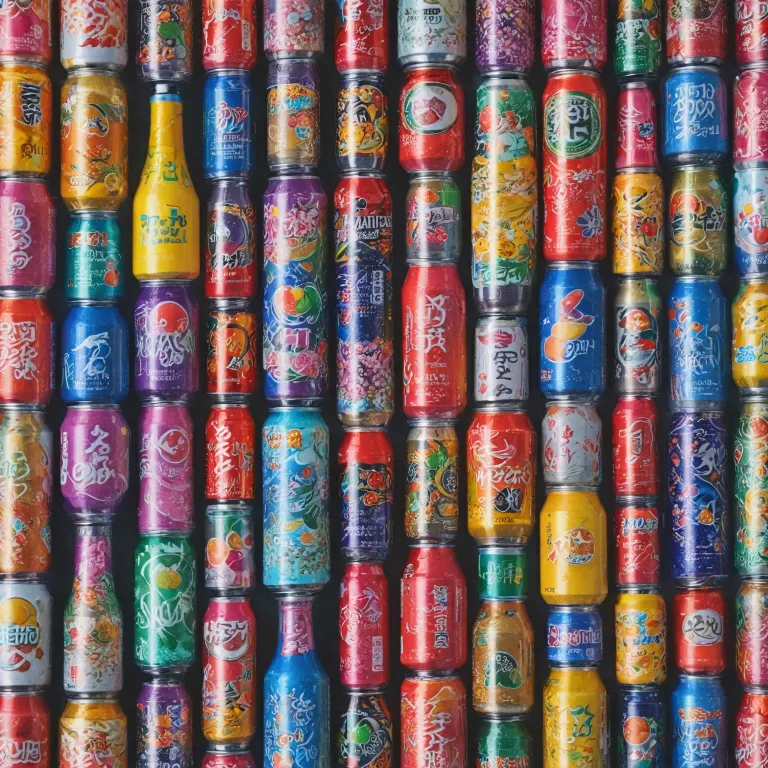
Evolution of japanese energy drinks in the hospitality industry
Japanese energy drinks have transformed the beverage landscape, offering a diverse range of options that cater to evolving consumer preferences. From the early days of Lipovitan D by Taisho Pharmaceutical Co., the market has seen a shift from traditional tonics to modern energy drinks, each promising a unique energy boost. Hospitality operators now recognize the importance of stocking both classic and innovative japanese energy drinks to meet the demands of guests seeking quick revitalization and enhanced focus. The introduction of Oronamin C by Otsuka Pharmaceutical Co. and Dekavita C by Suntory Holdings marked a new era, emphasizing vitamins, amino acids, and effective energy delivery. These drinks, often available in compact bottles japan, are not only convenient but also reflect the meticulous attention to taste and formulation that defines the Japanese approach. For directeurs F&B and chefs exécutifs, understanding the nuances of these drinks japan is essential for curating beverage menus that appeal to both local and international clientele. Energy jelly and energy drink sachets japan have further diversified the market, offering quick, portable solutions for on-the-go energy. The rise of products like Sato Yunker and Morinaga Weider highlights the growing demand for functional beverages that combine energy, vitamins, and amino acids in innovative formats. As the market continues to evolve, hospitality professionals must stay informed about the latest trends and consumer expectations surrounding japanese energy drinks.Key ingredients and health benefits of japanese energy drinks
The formulation of japanese energy drinks is a careful balance of energy, taste, and health benefits. Common ingredients include caffeine, B-vitamins, amino acids, and royal jelly, each contributing to the drink's effectiveness and appeal. For example, Lipovitan D contains 50 mg of caffeine per bottle, providing a moderate yet noticeable boost without overwhelming the consumer. Amino acids and vitamins are central to the japanese energy drink experience, with products like Dekavita C and Oronamin C emphasizing their presence for sustained energy and improved focus. The inclusion of energy jelly and calorie mate options caters to those seeking both hydration and nutrition in a single product. Hospitality operators can leverage these benefits by offering a curated selection of energy drinks and sachets japan that align with guests' wellness goals. The market also features caffeine-free options such as Sato Yunker DCF Night Kotei, ensuring that all guests can find a suitable energy drink regardless of their sensitivity to caffeine. The availability of energy jelly, packets japan, and bottles japan allows for flexible service options, from minibar offerings to grab-and-go counters. For more insights on beverage innovation, explore our detailed guide on hospitality beverage trends.Market trends and consumer preferences shaping energy drinks japan
The japanese energy drinks market is characterized by rapid innovation and a keen focus on consumer preferences. Younger consumers are driving a shift away from traditional 'dorinku-zai' tonics toward modern energy drinks that offer unique flavors, added vitamins, and functional benefits. This trend is reflected in the growing popularity of products like Real Gold by Coca-Cola Japan and Tiovita Drink by Taiho Pharmaceutical Co. Convenience is a key factor, with energy jelly and sachets japan gaining traction among busy professionals and travelers. The ability to add cart sato, cart takeda, and cart morinaga products online has further streamlined the purchasing process for both hospitality operators and end consumers. As the market becomes more competitive, brands are introducing limited-edition flavors and innovative packaging to capture attention and drive sales. Hospitality groups and independent operators must stay attuned to these trends, regularly updating their beverage offerings to reflect the latest consumer demands. For a comprehensive overview of market dynamics, visit our resource on F&B market analysis. The integration of energy drinks into wellness programs and event menus is also becoming increasingly common, underscoring their versatility and broad appeal.Operational strategies for integrating japanese energy drinks
Successfully incorporating japanese energy drinks into hospitality operations requires a strategic approach. Directeurs F&B and chefs exécutifs should consider the diverse formats available, from bottles japan and packets japan to energy jelly and sachets japan, to meet various service needs. Offering a range of options, including caffeine-free and low-calorie choices, ensures inclusivity and guest satisfaction. Effective merchandising is crucial, with eye-catching displays and clear information about the energy, vitamins, and amino acids in each product. Training staff to communicate the benefits of energy drinks, such as quick focus and sustained energy boost, can enhance the guest experience and drive repeat purchases. Leveraging digital platforms to promote add cart and add to cart features streamlines the ordering process for both guests and staff. Collaboration with suppliers like Sato Pharmaceutical Co., Takeda Alinamin, and Morinaga Weider enables operators to access the latest products and stay ahead of market trends. Integrating energy drinks into wellness-focused packages or as part of event catering can further differentiate a property in a competitive market.Supplier partnerships and procurement best practices
Building strong relationships with reputable suppliers is essential for ensuring consistent quality and availability of japanese energy drinks. Leading manufacturers such as Taisho Pharmaceutical Co., Otsuka Pharmaceutical Co., and Suntory Holdings offer a wide range of products, from classic energy drinks to innovative energy jelly and sachets japan. Establishing direct partnerships can provide access to exclusive flavors and promotional support. Procurement strategies should prioritize products with proven efficacy, such as those containing amino acids, vitamins, and effective energy-boosting ingredients. Bulk purchasing of bottles japan, packets japan, and energy jelly can yield cost savings and support large-scale operations. Monitoring market trends and consumer feedback allows operators to adjust their product mix and introduce new offerings as demand evolves. Transparency in ingredient sourcing and nutritional information is increasingly important, with guests seeking assurance about the health benefits and safety of energy drinks. Collaborating with suppliers to provide detailed product information, including caffeine content and vitamin profiles, enhances trust and supports informed decision-making. The ability to add cart sato, cart takeda, and cart morinaga products through digital procurement platforms streamlines inventory management and replenishment.Maximizing guest experience with innovative energy drink offerings
Elevating the guest experience with japanese energy drinks involves more than simply stocking a variety of products. Curating a selection that reflects both classic and contemporary preferences, such as Lipovitan D, Oronamin C, and energy jelly, demonstrates a commitment to quality and innovation. Offering tasting flights or pairing energy drinks with light snacks can create memorable moments and encourage exploration. Personalization is key, with options to add cart or add to cart for specific dietary needs, such as low-calorie or caffeine-free choices. Integrating energy drinks into wellness programs, fitness centers, and event menus enhances their visibility and relevance. As one expert notes, "Popular Japanese energy drinks include Lipovitan D, Oronamin C, Dekavita C, Real Gold, Tiovita Drink, and Yunker." This diversity allows operators to cater to a wide range of tastes and preferences. Leveraging digital platforms for pre-ordering and contactless delivery further enhances convenience and guest satisfaction. Monitoring guest feedback and adjusting the product mix ensures that offerings remain fresh and aligned with evolving trends. The strategic integration of japanese energy drinks can set a property apart, driving loyalty and positive reviews.Key statistics on japanese energy drinks
- Lipovitan D was introduced in 1962, marking the start of the modern Japanese energy drink market.
- Lipovitan D contains 50 mg of caffeine per bottle, offering a moderate energy boost.
- Oronamin C, launched in 1965, contains 18 mg of caffeine per bottle.
- Dekavita C was introduced in 1992, expanding the range of vitamin-rich energy drinks.
- Japan had 5,200,000 vending machines in operation as of 1985, many of which offer energy drinks.
Frequently asked questions about japanese energy drinks
What are some popular Japanese energy drinks?
Popular Japanese energy drinks include Lipovitan D, Oronamin C, Dekavita C, Real Gold, Tiovita Drink, and Yunker.
What ingredients are commonly found in Japanese energy drinks?
Common ingredients include taurine, B-vitamins, caffeine, ginseng, royal jelly extract, and various amino acids.
Are Japanese energy drinks available outside Japan?
Yes, some Japanese energy drinks are available internationally, but availability may vary by region.
How do Japanese energy drinks differ from Western energy drinks?
Japanese energy drinks often come in smaller bottles, focus on health benefits, and may contain unique ingredients like royal jelly and herbal extracts.
Are there caffeine-free Japanese energy drinks?
Yes, products like Sato Yunker DCF Night Kotei are caffeine-free options available in Japan.