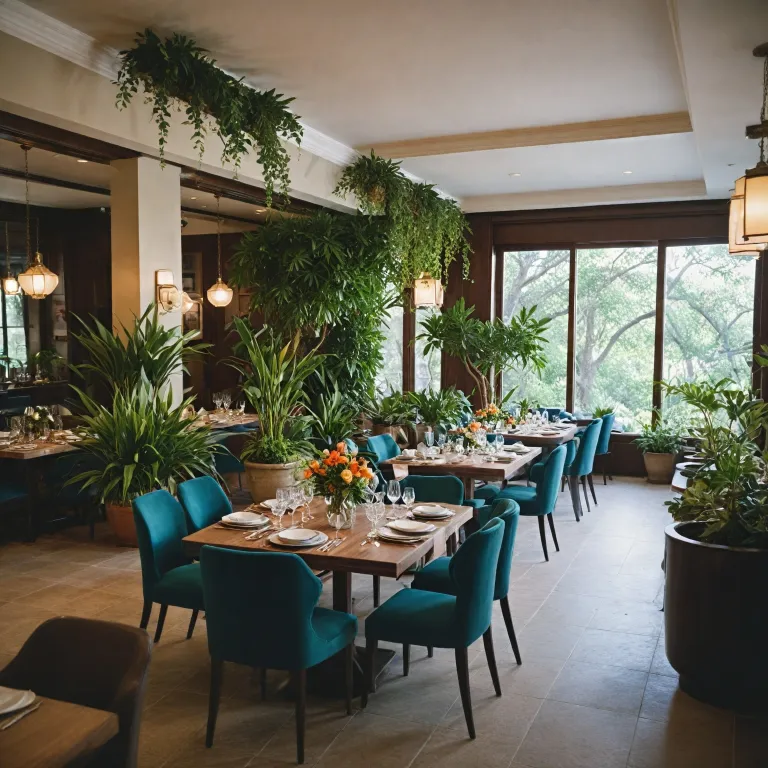
Organic food integration: redefining hotel dining experiences
Organic food options in hotels have become a hallmark of modern hospitality, reflecting a commitment to health, sustainability, and culinary excellence. Directeurs F&B and chefs exécutifs are increasingly sourcing organic ingredients such as apple, tomato, and sweet potato to create menus that appeal to discerning guests. The senses are engaged by the vibrant colors of red cherry tomatoes, crisp lettuce tomato salads, and the unmistakable freshness of farm table produce. Hotels and resorts are not only responding to guest demand for organic food but also proactively shaping trends by offering vegan and gluten free dishes, almond milk lattes, and cage free eggs at breakfast. The adoption of organic food options in hotels is driven by the desire to provide free-from additives and low carbon meals, enhancing both guest satisfaction and environmental responsibility. In San Francisco, for example, restaurants within hotels are leading the way by featuring local organic produce and water sourced from sustainable suppliers. The integration of organic food options in hotels is not limited to luxury properties; independent operators and groups alike are embracing this shift. By offering organic cheese, roasted chicken, and grilled chicken prepared with organic ingredients, hotels are elevating the standard of dining. The move towards organic food is also supported by innovative practices such as on-site gardens and partnerships with local farms, ensuring a steady supply of fresh, seasonal produce.Sourcing and supply chain strategies for organic food in hotels
The transition to organic food options in hotels requires a robust sourcing and supply chain strategy. Hotels are partnering with certified organic farms to ensure a consistent supply of high-quality organic produce, including apple cider, coconut milk, and free eggs. These partnerships support local economies and reduce the environmental impact associated with long-distance transportation. BIO HOTELS, a leading hotel association, exemplifies this approach by emphasizing regional and seasonal products, with annual independent inspections to maintain standards. Hotels in Germany, such as Atrium Hotel Mainz, are dedicated to environmental conservation by sourcing regional, organic, and fair trade ingredients. This commitment extends to the use of organic food in all aspects of the menu, from vegan bowls to gluten free bread and almond milk beverages. For directeurs F&B and investors, implementing sustainable supply chain management systems is essential. These systems enable hotels to track the origin of organic ingredients, manage inventory efficiently, and minimize waste. By integrating tools like organic certification programs and guest education initiatives, hotels can build trust and authority with their clientele. For further insights on sustainable sourcing, explore our detailed guide on sustainable food procurement in hospitality.Menu innovation: creating memorable organic dining experiences
Menu innovation is at the heart of successful organic food options in hotels. Chefs are crafting dishes that highlight the natural flavors and textures of organic ingredients, such as grilled chicken with cherry tomatoes, sweet potato purée, and farm table salads. The use of coconut milk and milk coconut in vegan and vegetarian recipes adds richness and depth, appealing to a wide range of dietary preferences. Restaurants within hotels are also introducing creative offerings like apple cider vinaigrettes, roasted chicken with local organic herbs, and gluten free desserts featuring almond milk. These menu innovations not only enhance the guest experience but also reinforce the hotel’s commitment to health and sustainability. The inclusion of free eggs, organic cheese, and fresh water in breakfast buffets ensures that guests start their day with nutritious, high-quality food. Gift cards for organic dining experiences are becoming popular among guests seeking unique culinary adventures. Hotels are leveraging these offerings to attract new clientele and reward loyal customers. For a comprehensive overview of menu development strategies, visit our resource on organic menu engineering for hotels.Operational challenges and solutions in implementing organic food programs
Implementing organic food options in hotels presents several operational challenges, from sourcing reliable suppliers to managing costs. The higher price of organic produce, such as apple, tomato, and lettuce tomato, can impact food and beverage budgets. However, many hotels absorb these costs or offer organic dishes at competitive prices to attract health-conscious travelers. As stated in the dataset, "While organic food options can be more expensive due to higher production costs, many hotels absorb these costs or offer them at competitive prices to attract health-conscious and eco-friendly travelers." Hotels are addressing supply chain complexities by establishing long-term relationships with local organic farmers and producers. This approach ensures a steady supply of fresh, seasonal ingredients like sweet potato, cherry tomatoes, and farm table greens. The adoption of sustainable food preparation and waste management practices further supports operational efficiency and environmental goals. Training staff to handle organic ingredients properly is essential for maintaining quality and safety standards. Hotels are investing in guest education and engagement initiatives, such as cooking classes and farm tours, to enhance the overall experience.Marketing organic food options: building brand value and guest loyalty
Marketing organic food options in hotels is a powerful way to differentiate a brand and build guest loyalty. Hotels are highlighting their use of organic ingredients, such as vegan cheese, gluten free bread, and cage free eggs, in promotional materials and on digital platforms. The emphasis on local organic sourcing and low carbon menus resonates with eco-conscious travelers seeking authentic experiences. Restaurants and resorts are leveraging the appeal of fresh, organic produce by showcasing signature dishes like roasted chicken with apple cider glaze, grilled chicken with cherry tomatoes, and vegan bowls with coconut milk. The sensory experience of tasting fresh water, crisp lettuce tomato, and sweet potato dishes enhances guest satisfaction and encourages repeat visits. Gift cards for organic dining and farm table experiences are effective marketing tools, attracting new guests and rewarding loyal patrons. Hotels are also participating in sustainability certifications and awards, further establishing their authority and trustworthiness in the market. These efforts are supported by transparent communication about sourcing practices and the benefits of organic food options in hotels.Future trends: sustainability, innovation, and guest expectations
The future of organic food options in hotels is shaped by sustainability, innovation, and evolving guest expectations. Hotels are increasingly developing on-site gardens and farms to supply kitchens with fresh, organic produce, reducing reliance on external suppliers. The integration of low carbon menus, vegan and gluten free options, and plant-based milks like almond milk and coconut milk reflects a broader commitment to health and the environment. Innovative practices such as seed oil–free kitchens, as seen in Proper Hotels, are setting new standards for health-centric dining. The use of local organic ingredients, free eggs, and organic cheese in menu development supports both guest wellness and environmental stewardship. As consumer awareness grows, hotels that prioritize organic food options will continue to enhance their reputation and attract a diverse clientele. The adoption of organic food options in hotels is expected to drive further advancements in supply chain management, menu innovation, and guest engagement. By staying ahead of trends and investing in sustainable practices, hotels can ensure long-term success in a competitive market.Key statistics on organic food options in hotels
- 9.7% of hotels allocate at least half of their food and beverage budgets to organic products.
- 43.9% of luxury hotels emphasize organic food and beverage items.
- 77.6% of hotels offer vegetarian menu options.
Frequently asked questions about organic food options in hotels
Why are hotels incorporating organic food options into their menus?
Hotels are incorporating organic food options to meet growing consumer demand for healthier and environmentally friendly dining experiences, support sustainable farming practices, and enhance their environmental responsibility.
How can I find hotels that offer organic food options?
You can find hotels offering organic food options by researching hotel websites, looking for certifications from organizations like BIO HOTELS, and reading reviews that mention sustainable dining practices.
Are organic food options more expensive in hotels?
While organic food options can be more expensive due to higher production costs, many hotels absorb these costs or offer them at competitive prices to attract health-conscious and eco-friendly travelers.
Trusted sources for organic food options in hotels
- https://www.biohotels.info/en/
- https://www.strawberryhotels.com/sustainability/food-and-beverage
- https://www.halekulani.com/