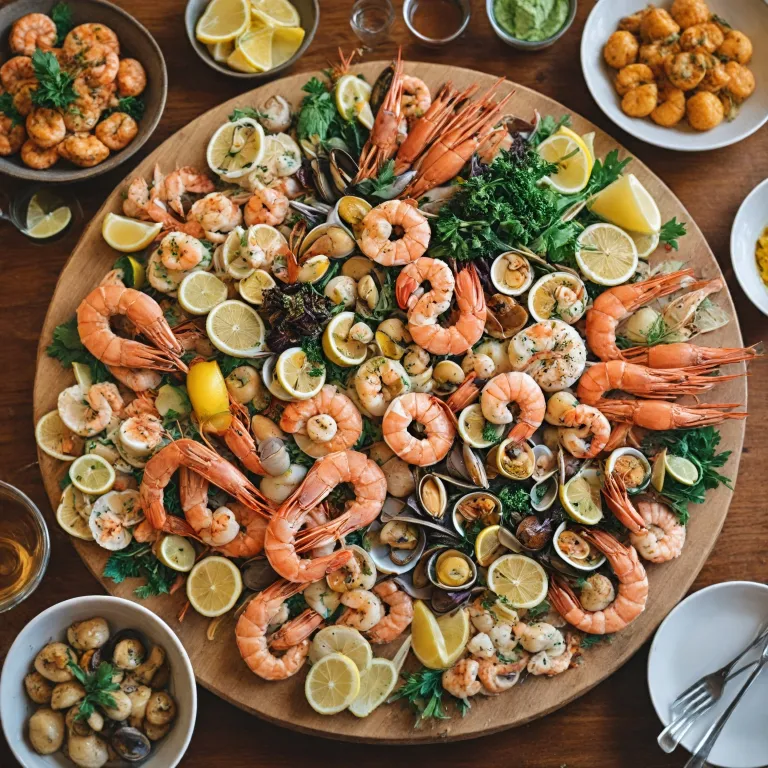
Understanding seafood base: foundations for flavor and efficiency
Seafood base stands as a cornerstone ingredient for directeurs F&B, chefs exécutifs, and hospitality operators seeking to deliver consistent, rich seafood flavor across diverse menus. Unlike traditional stocks, seafood bases are concentrated pastes or powders crafted from a blend of seafood such as crab, shrimp, lobster, and clams, often complemented by fresh vegetables, shells, and aromatic herbs. This formulation allows for rapid preparation of seafood stock, reducing the need for large quantities of fresh seafood and minimizing waste. The inclusion of ingredients like fennel, olive oil, and fresh herbs enhances the complexity of the base, providing chefs with a versatile tool for soups, sauces, and chowders.
Manufacturers such as RC Fine Foods, Gourmet Foods Inc, Custom Culinary, Minor's, and Knorr Professional have innovated to meet the evolving demands of the hospitality sector. Their offerings include gluten-free, reduced sodium, and clean label seafood bases, ensuring that dietary needs and sustainability goals are addressed. For F&B groups and independent operators, the ability to source seafood base in bulk from a trusted shop or grocery store streamlines procurement and supports menu consistency. Storage instructions are straightforward, typically requiring refrigeration after opening to preserve quality and safety, which is crucial for large-scale operations.
By integrating seafood base into daily operations, chefs and managers can maintain high standards of flavor while optimizing kitchen efficiency. This approach supports the use of sustainably sourced seafood and aligns with best practices in inventory management. The result is a reliable, cost-effective solution that enhances guest satisfaction and operational performance.
Optimizing recipes with seafood base: practical applications and innovation
Incorporating seafood base into recipes unlocks new dimensions of flavor and creativity for chefs and culinary teams. Whether preparing a classic bisque, a modern butter cream sauce, or a robust seafood chowder, the concentrated flavor profile of seafood base ensures depth and authenticity. The process typically involves dissolving the base in water over medium heat, then layering in additional ingredients such as shrimp, crab, lobster, and fresh vegetables to build complexity. Using both seafood base and seafood stock in tandem can elevate the umami notes, especially when enhanced with clam juice, yeast extract, disodium guanylate, and disodium inosinate.
For operators seeking to differentiate their menus, experimenting with various brands and formulations is key. For example, a lobster base can impart a luxurious richness to risottos or pasta dishes, while a shrimp base delivers a delicate sweetness ideal for Asian-inspired broths. The flexibility of seafood base extends to both hot and cold applications, from vinaigrettes to terrines. Sustainability remains a priority, with many suppliers now offering sustainably sourced seafood base options that support responsible fishing practices.
To further support innovation, directeurs F&B and chefs can leverage digital resources and supplier partnerships. For those interested in advanced culinary strategies, the F&B innovation hub provides insights into emerging trends and best practices. By staying informed and adaptable, hospitality professionals can maximize the value of seafood base in their culinary repertoire.
Procurement and sourcing: best practices for seafood base in hospitality
Effective procurement of seafood base requires a strategic approach that balances quality, cost, and sustainability. Hospitality groups and independent operators should prioritize suppliers who offer transparency regarding ingredient sourcing, production methods, and storage instructions. Leading manufacturers such as RC Fine Foods and Gourmet Foods Inc emphasize the use of fresh, sustainably sourced seafood, vegetables, and shells in their products, ensuring both flavor integrity and environmental responsibility.
When evaluating seafood base options, it is essential to review the ingredient list for allergens, additives such as base msg, and nutritional content. Sodium levels, for example, can vary significantly between brands, with some products containing up to 770 mg per serving. Operators should also consider the format—paste, powder, or granules—and the ease of integration into existing kitchen workflows. Bulk purchasing from a reputable store or direct supplier can yield cost savings and reduce logistical complexity.
For those seeking to optimize their procurement strategy, the hospitality sourcing guide offers comprehensive advice on vendor selection and contract negotiation. Establishing strong relationships with suppliers not only ensures consistent access to high-quality seafood base but also facilitates collaboration on custom blends and exclusive formulations tailored to specific menu needs.
Menu development: leveraging seafood base for creative and profitable offerings
Menu development in the hospitality industry is a dynamic process that benefits greatly from the versatility of seafood base. By integrating seafood base into signature dishes, chefs can achieve robust flavor profiles while maintaining control over portion size and cost. For example, a seafood risotto enriched with shrimp crab and lobster base delivers a luxurious dining experience without the logistical challenges of sourcing fresh seafood daily. The use of seafood base also supports the creation of allergen-friendly and gluten-free options, expanding the appeal of the menu to a broader clientele.
Innovative recipes often combine seafood base with fresh herbs, olive oil, and vegetables to create balanced, visually appealing dishes. The addition of clam juice or seafood stock can further intensify the flavor, while butter cream sauces provide a rich, velvety texture. Chefs are encouraged to experiment with different ratios and combinations, leveraging the unique characteristics of each base—be it crab, shrimp, or lobster—to craft distinctive culinary experiences. Storage instructions should always be followed to preserve the integrity of the base and ensure food safety. By staying attuned to market trends and guest preferences, F&B professionals can harness the full potential of seafood base to drive menu innovation and profitability.
Quality assurance and sustainability: meeting modern expectations with seafood base
Quality assurance is paramount in the selection and use of seafood base within the hospitality sector. Operators must ensure that products meet rigorous standards for freshness, flavor, and safety, with clear storage instructions and traceability of ingredients. The growing demand for sustainably sourced seafood base reflects a broader industry commitment to environmental stewardship and ethical sourcing. Manufacturers now offer options that prioritize responsibly harvested seafood, reducing the ecological impact of menu offerings.
Transparency in labeling, including the presence of yeast extract, disodium guanylate, and disodium inosinate, enables chefs and managers to make informed decisions that align with guest expectations and regulatory requirements. The use of seafood base also supports waste reduction by extending the shelf life of seafood flavors and minimizing the need for daily deliveries of fresh meat and fish. This efficiency translates into cost savings and operational resilience, particularly for large hotel groups and high-volume restaurants.
By adopting best practices in procurement, storage, and menu development, hospitality professionals can deliver exceptional dining experiences while upholding their commitment to sustainability. The integration of seafood base into standard operating procedures ensures consistency, quality, and guest satisfaction across all service points.
Regulatory compliance, labeling, and intellectual property in seafood base usage
Compliance with food safety regulations and accurate labeling are critical when incorporating seafood base into hospitality operations. Operators must ensure that all products are clearly labeled with ingredient lists, allergen information, and storage instructions, in accordance with local and international standards. The inclusion of additives such as base msg, yeast extract, disodium guanylate, and disodium inosinate must be transparently communicated to guests, particularly those with dietary restrictions or sensitivities.
Intellectual property considerations, including trademarks and proprietary recipes, play a role in differentiating seafood base products in the marketplace. Manufacturers often protect their formulations to maintain a competitive edge, while operators must respect these rights reserved when developing custom blends or private label offerings. Adhering to privacy policy requirements and maintaining documentation of supplier agreements further supports regulatory compliance and risk management.
For F&B professionals, staying informed about evolving regulations and industry standards is essential. Regular training and collaboration with legal and quality assurance teams help ensure that seafood base usage aligns with best practices and protects both brand reputation and guest safety.
Key statistics on seafood base in hospitality
- Sodium content in prepared seafood base per serving: 770 mg
- Calories in prepared seafood base per serving: 10 calories
Frequently asked questions about seafood base
What is a seafood base?
A seafood base is a concentrated paste or powder made from various seafood ingredients, used to enhance the flavor of dishes.
How do you use a seafood base?
To use a seafood base, dissolve the recommended amount in water to create an instant seafood stock, or incorporate it directly into sauces, soups, and other dishes to enhance flavor.
Are there gluten-free seafood bases available?
Yes, several manufacturers offer gluten-free seafood bases made with natural ingredients and no added MSG.
Can seafood bases be used in vegetarian dishes?
Seafood bases are made from seafood ingredients and are not suitable for vegetarian dishes. However, there are vegetarian alternatives available that mimic seafood flavors.
How should seafood bases be stored?
Seafood bases should be stored according to the manufacturer's instructions, typically in a cool, dry place or refrigerated after opening to maintain quality and safety.
References:
RC Fine Foods: https://rcfinefoods.com/
Gourmet Foods Inc: https://gourmetfoodsinc.com/
Custom Culinary: https://www.foodservicedirect.com/custom-culinary-gold-label-seafood-base-1-pound-6-per-case-184968.html