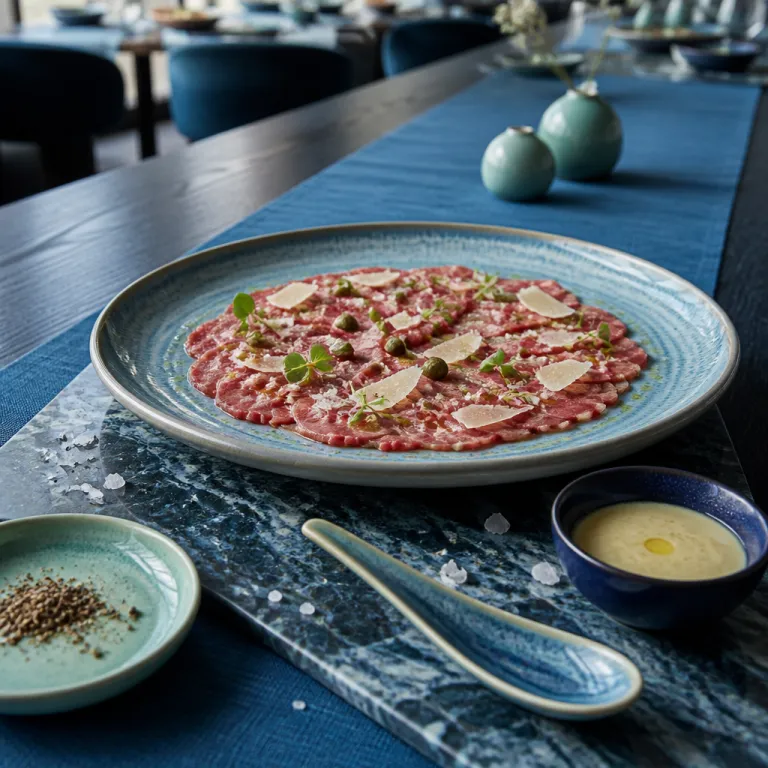
From Harry’s Bar to global icon: why carpaccio di manzo still matters for F&B leaders
Carpaccio di manzo was born at Harry’s Bar in Venice, yet its relevance for current hotel and restaurant portfolios is sharper than ever. A plate of thinly sliced raw beef, lightly seasoned and served as an appetizer, now sits at the crossroads of luxury positioning, operational efficiency, and guest wellness expectations. For Directeurs F&B and chefs exécutifs, this single Italian appetizer can become a benchmark for how the entire culinary identity handles quality beef, sourcing transparency, and technical execution.
Giuseppe Cipriani created beef carpaccio at Harry’s Bar for a guest who needed a raw meat preparation, and that origin story still resonates with today’s focus on personalization and dietary needs. The original carpaccio di manzo used slices cut from high quality beef tenderloin, dressed simply with olive oil and lemon juice, then finished with arugula and shaved parmesan cheese; this minimalist recipe shows how a few calibrated elements can signal luxury more effectively than complex cooking. When groups hôteliers scale concepts across properties in Italy, Europe, the Middle East, or Asia, carpaccio manzo becomes a litmus test for whether local teams can handle raw beef safely while preserving a sense of Italian heritage.
For investors in restauration and independent operators, the economics are compelling because the dish requires no hot cooking and minimal equipment. A sharp knife, a meat mallet, parchment paper, and plastic wrap are enough to turn a whole beef tenderloin or filet mignon into paper thin slices with excellent plate coverage and strong perceived value. When the team respects strict cold chain management and uses extra virgin olive oil, fresh lemon, and high quality parmesan cheese, carpaccio di manzo can deliver premium margins while reinforcing the brand’s promise of authenticity and craftsmanship.
Engineering the perfect carpaccio di manzo: technique, safety, and mise en place
For culinary directors, the best carpaccio di manzo starts long before service, with procurement and microbiological risk management. Only quality beef from audited suppliers should enter the system, and specifications must distinguish between whole beef tenderloin muscles, trimmed filet mignon, and other cuts of meat that are less suitable for serving raw. Because raw beef carries specific hazards, HACCP plans need clear critical control points for reception temperature, storage, trimming, and slicing, especially when multiple properties share central production.
In practice, chefs achieve the characteristic paper thin slices by partially chilling the beef tenderloin, then wrapping it tightly in plastic wrap before slicing. Some brigades prefer to cut thicker medallions first, place them between two sheets of baking paper, and use a meat mallet to flatten them until they are almost paper thin; both methods work if the team keeps the slices raw at safe temperatures and minimizes time at room conditions. Once arranged on chilled plates, the thin slices are brushed with a blend of extra virgin olive oil and fresh lemon juice, seasoned with fine salt and pepper, then finished with arugula leaves and shaved parmesan cheese for texture contrast.
Standardizing this recipe across a hotel group requires detailed mise en place charts and visual standards. Pre portioned plastic wrapped logs of carpaccio manzo can be produced in a central kitchen, labeled with production dates, and distributed to outlets that handle only the final slicing, plating, and dressing with virgin olive oil and oil lemon emulsions. For high volume banqueting, chefs can pre plate the Italian appetizer on trays lined with non stick paper, cover them with plastic film to keep the meat protected, and finish with arugula, parmesan, and a final drizzle of olive oil just before service, much like they would organize functional beverage stations for innovative programs such as Japanese energy drinks in hospitality.
Menu positioning and pricing: turning carpaccio di manzo into a signature profit driver
When positioned strategically, carpaccio di manzo can anchor the cold appetizer section and signal both Italian roots and contemporary refinement. Guests who order beef carpaccio often over index on wine and cocktail spend, which makes this dish a powerful trigger for beverage pairing strategies in both luxury hotels and lifestyle restaurants. For Directeurs F&B, tracking the KPI of average check uplift linked to this Italian appetizer is as important as monitoring the cost of quality beef and parmesan.
Price architecture should reflect the use of high quality beef tenderloin or filet mignon, extra virgin olive oil, and authentic parmesan cheese imported from Italy. A base portion of thin slices raw meat can be offered at an accessible price point, while premium versions add seasonal truffles, aged balsamic, or regional olive oil flights, similar to how curated German liquors selections differentiate bar menus. Clear menu language that references Venice, Harry’s Bar, and the use of fresh lemon and shaved parmesan helps justify a higher price while educating guests about the heritage of carpaccio manzo.
For groups hôteliers and investors, carpaccio di manzo also supports brand storytelling across regions. A coastal resort in Italy might highlight local arugula and virgin olive oil from nearby producers, while an urban flagship could focus on dry aged beef carpaccio using specific breeds and traceable farms. In all cases, the recipe cost remains manageable because the raw beef is sliced paper thin, plate coverage is high, and garnishes like arugula, parmesan, and oil lemon dressing add perceived value without significantly increasing the food cost percentage.
Innovation with respect: modern variations on carpaccio di manzo for global palates
Innovation around carpaccio di manzo should respect the original matrix of raw beef, olive oil, lemon, arugula, and parmesan while exploring new textures and flavor bridges. Chefs exécutifs can design tasting menus where classic beef carpaccio opens the sequence, followed by regional interpretations that integrate local oils, citrus, and cheeses without diluting the Italian identity. This approach lets guests compare the pure taste of quality beef tenderloin with more adventurous recipes that still rely on thin slices and paper thin textures.
One direction pairs carpaccio manzo with fermented elements, such as miso infused oil lemon dressings or pickled vegetables, which bring umami and acidity without overpowering the meat. Another explores spice and heat, using chili infused extra virgin olive oil, smoked salt, or pepper blends that echo the complexity of crafted cocktails built with adaptogenic ingredients, as discussed in functional cocktail program strategies for hotel bars. For wellness oriented concepts, chefs can increase the proportion of arugula and other bitter greens, use lighter virgin olive oil emulsions, and highlight the protein content of raw beef while keeping the dish within a defined calorie range per serving.
Texture innovation also matters, especially for guests who are hesitant about slices raw of meat. Finely grated parmesan can be replaced or complemented by larger shaved parmesan petals, crunchy seeds, or dehydrated olive oil crumbs that contrast with the softness of the thin slices. Some properties experiment with partial searing of the beef tenderloin before chilling and slicing, creating a tataki style edge that reassures guests while preserving the core identity of carpaccio di manzo as an Italian appetizer based on high quality raw beef.
Operational excellence: training, consistency, and cross property roll out
Scaling carpaccio di manzo across multiple outlets demands rigorous training and clear operational playbooks. Every commis handling raw beef must understand not only the recipe steps but also the rationale behind each control point, from receiving quality beef to managing plastic wrap and storage. For Directeurs F&B, this dish becomes a practical training ground for broader food safety culture and precision in cold kitchen operations.
Training modules should include live demonstrations of how to slice beef tenderloin into paper thin portions, how to use a meat mallet correctly between sheets of paper, and how to arrange thin slices on plates without tearing the meat. Teams must practice calibrating the seasoning with extra virgin olive oil, fresh lemon juice, salt, and pepper so that the balance remains consistent between lunch and dinner services, and between properties in Italy and abroad. Visual standards for arugula placement, shaved parmesan quantity, and final oil lemon drizzle help keep the Italian appetizer instantly recognizable to repeat guests who move between hotels in the same group.
Digital tools can support this consistency by hosting step by step recipes, plating videos, and allergen information accessible via tablets in the kitchen. Central F&B teams can audit outlets by reviewing photos of carpaccio manzo plates, checking that the meat remains bright, the slices raw are truly thin, and no oxidation appears despite the use of plastic wrap and cold holding. When operators keep these standards high, carpaccio di manzo becomes a reliable signature that anchors the brand’s promise of craftsmanship, just as a well curated functional cocktail list anchors the beverage identity in forward looking properties.
Guest experience, storytelling, and beverage pairing around carpaccio di manzo
Front of house teams play a decisive role in how guests perceive carpaccio di manzo and its value. When servers explain that the dish was created at Harry’s Bar in Venice by Giuseppe Cipriani, and that it showcases high quality beef sliced almost paper thin, guests understand why the price and presentation signal luxury. This narrative also reassures those unfamiliar with raw beef by emphasizing freshness, sourcing, and the protective role of extra virgin olive oil and fresh lemon juice.
Pairing strategies should move beyond the classic light red wine and explore synergies with low alcohol cocktails, vermouths, and regional spirits. The peppery notes of arugula and the saltiness of shaved parmesan work well with drinks that feature citrus, virgin olive oil washes, or herbal bitters, echoing the same Italian pantry that shapes the carpaccio manzo recipe. Beverage directors can design tasting flights where guests compare a glass of Italian white wine, a spritz style cocktail, and a lighter aperitivo inspired by the innovation seen in Japanese energy drinks for hospitality, all alongside the same plate of beef carpaccio.
For independent operators and investors, this integrated approach to food and beverage elevates the overall experience and drives incremental revenue. A guest who starts with carpaccio di manzo, a well paired drink, and a short story about Venice is more likely to order a second cocktail, a bottle of wine, or a digestif, especially if the menu also highlights crafted liqueurs and regional spirits. By aligning kitchen precision, bar creativity, and storytelling, hospitality leaders can keep this iconic Italian appetizer at the heart of a modern, profitable, and emotionally resonant dining journey.
Key figures and operational benchmarks for carpaccio di manzo programs
- Typical preparation time for a standard carpaccio di manzo portion is often under 20 minutes from chilled beef tenderloin to plated Italian appetizer in well organized professional kitchens, which makes it suitable for high end à la carte service with fast ticket times.
- An average serving of beef carpaccio with arugula, olive oil, lemon juice, and shaved parmesan is generally positioned as a lighter premium starter compared with many hot meat dishes, allowing wellness focused hotels to feature it within balanced menu sections.
- Food cost for carpaccio di manzo in upscale hotels is frequently managed within a competitive range relative to other raw meat dishes, especially when purchasing whole beef tenderloin and optimizing trim for tartare, staff meals, or other preparations.
- Operational audits in multi property groups often show that standardizing slicing thickness to a consistently thin cut can reduce trim waste on beef tenderloin and improve overall yield without compromising texture.
- Guest satisfaction surveys in Italian restaurants and hotel outlets consistently report strong repeat order rates for carpaccio manzo, especially when servers highlight the Venice origin story and explain the role of fresh lemon and parmesan in balancing the richness of the raw beef.
FAQ about carpaccio di manzo for hospitality professionals
What is carpaccio di manzo in a professional hospitality context ?
Carpaccio di manzo is a classic Italian appetizer made from thin slices of raw beef, usually beef tenderloin or filet mignon, arranged on a plate and seasoned with extra virgin olive oil, lemon juice, arugula, and shaved parmesan cheese. In hotels and restaurants, it functions as a premium cold starter that showcases quality beef and precise knife skills. Because it requires no hot cooking, it is also a flexible option for high end room service and banqueting menus.
Who invented carpaccio di manzo and where should we reference it on menus ?
The dish was created by Giuseppe Cipriani at Harry’s Bar in Venice, Italy, and many operators mention this origin on menus to reinforce authenticity. Some properties add a short note such as “inspired by the original carpaccio served at Harry’s Bar in Venice” to connect guests with the story. This reference supports premium pricing and aligns the restaurant with a recognized icon of Italian culinary culture.
How should we serve carpaccio di manzo to balance safety and quality ?
Professionally, carpaccio di manzo should be prepared from chilled, freshly trimmed beef tenderloin or similar high quality cuts, sliced paper thin and plated just before service. The meat must be kept under strict temperature control, typically at or below standard refrigeration levels, and protected with plastic wrap or covered trays until plating. Final seasoning with extra virgin olive oil, fresh lemon juice, arugula, and parmesan should happen at the pass to maintain texture and color.
What variations on carpaccio di manzo work best for international hotel guests ?
Successful variations keep the core of raw beef and thin slices but adapt garnishes to local tastes, such as using regional olive oil, citrus, or cheeses. Some hotels offer a trio of carpaccio recipes on one plate, combining the classic arugula and parmesan version with a spicy interpretation and a lighter herb focused option. This format lets guests explore different flavor profiles while the kitchen maintains a single core mise en place based on carpaccio manzo.
How can carpaccio di manzo support beverage and upselling strategies ?
Because carpaccio di manzo is rich yet delicate, it pairs well with sparkling wines, light reds, and aperitivo style cocktails, making it a natural anchor for pairing menus. Servers can suggest specific drinks that echo the lemon and olive oil notes in the dish, increasing average check value. When integrated into tasting flights or aperitivo formulas, beef carpaccio often becomes the gateway to higher margin beverage sales across the meal.