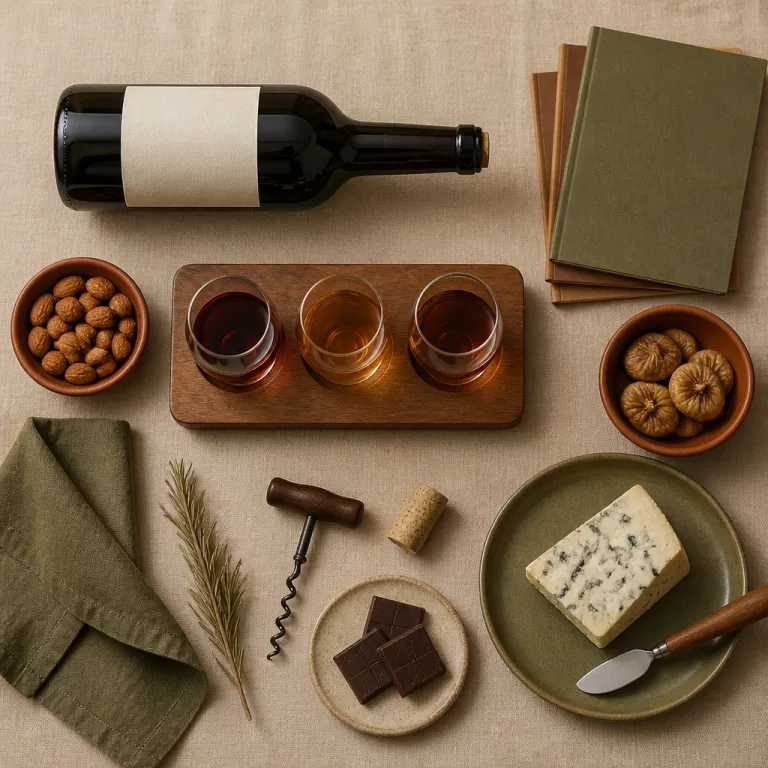
Why porto Portugal wine belongs at the heart of modern hotel beverage strategy
Port wine from Porto and the Douro Valley is no longer a niche after dinner indulgence for hotel guests. For Directeurs F&B and executive chefs, it has become a strategic lever to differentiate beverage programs, drive higher average checks, and reinforce a property’s sense of place. In a market where global travelers chase authenticity, a serious focus on Port and related Douro Valley wines can turn a standard bar into a signature destination.
Port, as a fortified sweet wine from the Douro Valley, offers a rare combination of heritage, clear production rules, and strong brand recognition among international guests. The city of Porto and the surrounding valley form a compact ecosystem where quinta estates, Port houses, and urban wine lodges collaborate with hospitality operators to stage elevated wine tasting experiences. For hotel groups and independent operators, this ecosystem makes it easier to design curated wine tours, cellar partnerships, and in house tasting room concepts that feel both local and world class.
From a business perspective, Port wine and other fortified wines from the region can deliver attractive margins because guests accept premium pricing for aged tawny Ports, vintage Port releases, and well framed wine flights. Industry case studies on fortified wine programs in upscale hotels often show materially higher gross margins on by the glass pours of premium Ports than on standard still wines, especially when served in tasting formats. The Douro River setting, the dramatic valley terraces, and the historical cellars in Vila Nova de Gaia also provide powerful storytelling assets that marketing teams can translate into packages, private tour offers, and cross selling with suites or gastronomic menus. When these elements are orchestrated with discipline, Porto’s famous wine houses become natural allies for hotels seeking to elevate their beverage identity.
Designing beverage programs around Douro Valley terroir and cellar partnerships
Building a coherent beverage program around porto Portugal wine starts with a clear view of the Douro Valley terroir. This valley is divided into subzones, each influencing the character of Port wines and still wines, from structured reds to refreshing white wines that complement fortified styles. For F&B directors, mapping these subzones against guest profiles helps determine which quinta partnerships and which Port houses will create the strongest narrative on the list.
Strategic alliances with wine houses in Vila Nova de Gaia and across the Douro region allow hotels to secure allocations of rare vintage Ports and single quinta bottlings. Port wine producers still rely on traditional methods such as hand picking grapes, fermentation in lagares, and aging in oak barrels, which gives your sommellerie team rich material for staff training and guest facing storytelling. When you negotiate cellar collaborations, insist on access to both iconic names such as Graham’s and smaller quintas, so that your wine tasting flights can contrast house styles, vintages, and aging regimes in a way that feels educational rather than promotional.
For properties that already run a strong Vinho Verde or Atlantic focused program, integrating Port and Douro Valley selections should feel like a natural extension of a broader Portuguese narrative. A useful framework is to position still Douro wines by the glass as the entry point, then guide guests toward Port wines as the crescendo of the meal or as part of a structured tour Porto themed experience. For a deeper dive into how to balance regional categories on a list, many hotel groups now benchmark against best practices in curating a modern vinho verde program, as outlined in this analysis of how to curate the best vinho verde program for modern hospitality.
From tasting room to rooftop bar: guest experiences that monetize porto wine
Transforming porto Portugal wine from a static list item into a revenue engine requires immersive guest experiences. One proven model is to dedicate a tasting room or lounge corner to Douro River and Gaia Porto storytelling, with guided wine tasting sessions scheduled before dinner service. These sessions can feature flights of white Port, late bottled vintage Port, and aged tawny Ports, each paired with small plates designed by the executive chef.
Urban hotels in Porto and Vila Nova de Gaia can go further by integrating private tour packages that link the property with nearby wine lodges and historic cellars. Guests might start with a short tour Porto walk through the riverside quarter, cross to Vila Nova de Gaia by boat on the Douro River, then enjoy a behind the scenes visit of Port houses where barrels of vintage Ports and ruby Ports age in cool, dimly lit spaces. Back at the hotel, the bar team can host a debrief session, pouring the same Ports tasted during the tour alongside creative cocktails that use white Port as a low alcohol base.
For international hotel groups, tariff volatility on spirits and imported wines can complicate pricing, which makes a strong focus on local Port wine and Douro Valley wines even more attractive. Beverage directors reviewing their bar P&L and exposure to trade measures increasingly look at fortified Portuguese wines as a hedge, a topic explored in depth in this briefing on spirit tariffs and hotel beverage programs. By anchoring signature experiences around Port, hotels can stabilize margins while offering guests a sense of place that global brands of whisky or gin cannot match.
Operational excellence: training, service rituals, and cellar management for port wines
Operational discipline is essential if porto Portugal wine is to perform at scale across a hotel portfolio. Staff must understand not only the difference between ruby, tawny, and vintage Port, but also how to handle bottle aging, decanting, and optimal serving temperatures for each style. Training should cover the full journey from the Douro Valley vineyards to the Vila Nova de Gaia cellar, so that every server can explain why Port wines are fortified and how this affects sweetness, alcohol content, and food pairing.
Port wine has an average alcohol content of around 19 percent, which means pour sizes and upselling scripts must be carefully calibrated to respect both guest comfort and revenue goals. Trade sources such as PortWine.info and major producer technical sheets consistently cite a range of roughly 19–20 percent alcohol by volume for classic styles. When presenting a flight, servers can frame the progression from a chilled white Port aperitif to a mature vintage Port as a guided tour through the region’s history, using maps of the valley and images of traditional lagares to anchor the story. One concise way to support training is to integrate the verified explanation that “What is Port wine? A fortified sweet wine from Portugal's Douro Valley.” and “How is Port wine made? By adding grape spirit during fermentation to preserve sweetness and increase alcohol content.” into your internal manuals.
Cellar management also deserves attention, especially for properties that hold significant stocks of vintage Ports and aged tawny Ports. Inventory systems should track each bottle’s location, provenance, and ideal drinking window, while bar teams rotate open bottles of Port between outlets to minimize waste. As a practical guideline, many producers recommend consuming opened vintage Port within two to five days for peak quality, while tawny styles can remain stable for several weeks. For multi outlet hotels, consider centralizing high value Port wine in a secure cellar and issuing measured daily allocations to each bar, supported by predictive prep and waste reduction tools such as those discussed in this study on kitchen IoT and predictive prep for waste reduction.
Leveraging quinta visits, wine tours, and private experiences for high value guests
High value guests increasingly expect access, not just products, when they engage with porto Portugal wine. Hotels that orchestrate seamless wine tours and quinta visits along the Douro River can command premium rates for curated experiences that feel both intimate and expertly managed. The key is to integrate transport, timing, and tasting content so that the day flows naturally from vineyard to cellar to riverside dinner.
A typical private tour for a top suite guest might start with a chauffeured drive from Porto along the Douro Valley, stopping at one or two quintas for vineyard walks and structured wine tasting sessions. At each estate, guests can compare still Douro wines with house Port wines, including white Port served as a refreshing aperitif and a selection of vintage Ports poured in the barrel room. Lunch at a quinta restaurant can highlight Portuguese regional cuisine, with the executive chef from the hotel collaborating on a special menu that echoes dishes served back at the property.
On the return journey, a short stop in Vila Nova de Gaia allows guests to visit historic wine lodges and Port houses that they have seen referenced on the hotel’s wine list, such as Graham’s and other classic names. Here, a focused tasting in a quiet cellar or tasting room can reinforce brand loyalty and create content for social media, especially when the hotel’s sommelier accompanies the group. For investors and owners, these high touch experiences justify capital expenditure on partnerships, vehicles, and dedicated concierge staff because they directly support higher room rates and repeat bookings.
Brand positioning and storytelling: making porto famous in your property, not just the city
Positioning porto Portugal wine as a signature of your property requires more than listing a few Ports by the glass. The narrative must connect the Douro Valley landscape, the Douro River, and the cellars of Vila Nova de Gaia with the architecture, design, and culinary identity of the hotel. Guests should feel that every reference to Port wine, from lobby displays to in room amenities, is part of a coherent story rather than a generic nod to Portuguese culture.
One effective tactic is to theme specific outlets or events around the idea of a Port house in the city, translating the atmosphere of traditional wine lodges into a contemporary hospitality setting. Design cues might include barrel staves, river inspired color palettes, and curated photography of quintas and the valley terraces, while the beverage program highlights flights of Port wines, Douro still wines, and seasonal cocktails built on white Port. Storytelling can extend to printed materials that explain how the region’s history since the seventeenth century shaped today’s Port houses and why the partnership between local vineyards, exporters, and wine merchants remains central to the economy.
Digital channels should echo this positioning, with content that showcases wine tours, behind the scenes cellar visits, and interviews with winemakers from both Porto and Vila Nova de Gaia. For group level brands, a consistent Port wine narrative across multiple properties in Portugal can reinforce authority, while flagship hotels in Porto’s famous riverfront locations act as living showrooms for the concept. When executed with discipline, this approach turns porto Portugal wine from a simple beverage category into a defining element of the brand’s hospitality promise.
Key figures for porto Portugal wine in hospitality programs
- Average alcohol content for classic Port wine styles is around 19 percent by volume, which requires careful portion control and staff training to align guest safety with revenue objectives (PortWine.info and major producer technical sheets).
- Traditional Port production typically relies on a field blend of around five main grape varieties, which gives hotel sommeliers rich material for educational tastings focused on varietal diversity and blending philosophy (Vinfolio data and producer vineyard surveys).
- Porto and the Douro Valley together host dozens of major quintas and Port houses, creating a dense network of potential partners for wine tours, cellar visits, and co branded events that few other wine regions can match in such a compact geography.
- Year round production and aging cycles in Vila Nova de Gaia cellars mean that hotels can program Port themed experiences in every season, from summer white Port cocktails on terraces to winter vintage Port pairings by the fireplace.
FAQ about porto Portugal wine for hotel and restaurant programs
What is port wine and how does it differ from other wines ?
Port wine is a fortified sweet wine produced exclusively in Portugal’s Douro Valley, where grape spirit is added during fermentation to preserve natural sweetness and raise alcohol content. This process distinguishes Port from unfortified wines, which complete fermentation without spirit addition and usually show lower alcohol levels. For hotel beverage programs, this means Port can be positioned as a dessert wine, a cheese partner, or a cocktail base, depending on the style.
Which port styles are most relevant for modern hospitality menus ?
The main Port categories for hotels are ruby, tawny, vintage Port, and white Port, each serving different occasions and guest profiles. Ruby and late bottled vintage Ports work well by the glass in bars, while aged tawny Ports and declared vintage Ports suit fine dining pairings and special events. White Port, especially when served chilled with tonic, offers a low alcohol aperitif option that appeals to younger and wellness focused travelers.
How should hotels store and serve porto wine to protect quality ?
Unopened bottles of Port should be stored horizontally in a cool, dark cellar or dedicated wine room, away from temperature swings and vibration. Once opened, ruby and late bottled vintage Ports can usually be kept for several weeks under proper closure, while aged tawny Ports are more stable and can last longer, but vintage Ports often need to be consumed within a few days for best expression. Service temperatures should range from around 8–10 °C for white Port to 16–18 °C for vintage Ports, with appropriate glassware that concentrates aromas.
How can F&B directors integrate porto Portugal wine into profitable experiences ?
F&B directors can design structured wine tasting flights, pairing menus, and private tour packages that highlight the Douro Valley and Vila Nova de Gaia cellars. By collaborating with quintas and Port houses, hotels can secure exclusive bottlings or limited vintage Ports that justify premium pricing and create a sense of scarcity. Packaging these elements into stay offers, rooftop events, or chef’s table experiences helps convert Port wine from a static menu item into a dynamic revenue driver.
Are there sustainability considerations when working with Douro Valley producers ?
Many Douro Valley quintas and Port houses now invest in sustainable viticulture, erosion control on steep valley slopes, and energy efficient cellar operations. Hotels can prioritize partnerships with producers that hold recognized certifications or publish clear sustainability commitments, then communicate these choices to guests through menus and storytelling. This approach aligns porto Portugal wine programs with broader corporate responsibility goals while reinforcing the authenticity of the regional narrative.