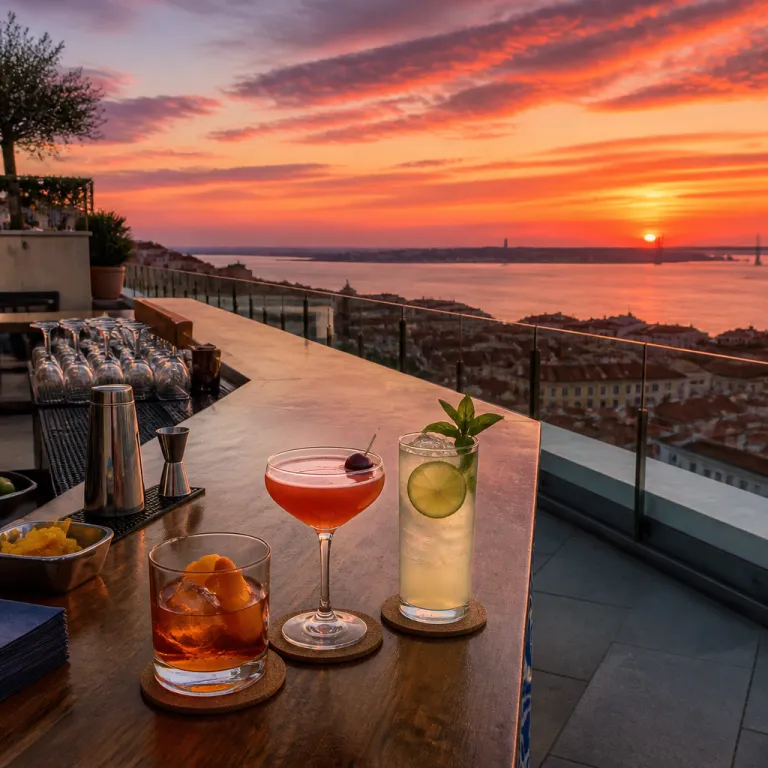
Why portuguese cocktails belong at the heart of hotel beverage strategy
Portuguese cocktails give hotel bars a clear point of difference. In a market saturated with generic signature drinks, a focused program around portuguese cocktails signals curation, terroir and narrative depth. For Directeurs F&B and investors, this translates into higher check averages, stronger guest engagement and better use of existing wine inventories.
Portugal offers a rare combination of heritage spirits, versatile port wine styles and fresh coastal produce that naturally supports profitable cocktail recipes. When you frame your beverage strategy around portuguese drinks, you connect rooms, restaurants and bars through one coherent story that can be activated from breakfast to late night. This narrative can be extended through themed tours, pairing menus and retail corners that showcase both traditional Portuguese liqueur references and contemporary port cocktails.
Positioning your bar around portuguese cocktails also aligns with the global shift toward lower alcohol drinks and wine based serves. White port, vinho verde and lighter port wine expressions allow you to design cocktails and drinks portuguese in style that are sessionable, food friendly and margin rich. For hotel groups, this creates a scalable template that can be adapted from a rooftop bar in Lisbon to a resort lounge in Asia while keeping a recognisable portuguese identity.
Building a signature portfolio around port, tonic and traditional liqueurs
The backbone of any serious portuguese cocktails program is a disciplined approach to port, tonic and key liqueur references. A well structured list should feature white port, ruby port wine and aged tawnies, each mapped to specific cocktail recipes and service rituals. This allows your équipe to guide guests from a simple porto tonic at the bar to more complex port cocktails during dinner or late night.
Porto Tonic has become the flagship serve for many contemporary hotel bars in Portugal. The classic porto tonic recipe combines chilled white port, quality tonic water and a citrus garnish, but serious programs go further with seasonal fruit, herbs and controlled dilution. When you train bartenders to articulate why a port tonic works differently from a gin and tonic, you elevate the perceived value of every drink and reinforce the identity of your portuguese drinks offer.
Traditional Portuguese liqueurs such as Ginjinha and Licor Beirão add depth and authenticity to the portfolio. Ginjinha brings sour cherry intensity to a red sangria recipe or a winter cocktail, while Licor Beirão offers herbal complexity that pairs well with tonic or white wine spritz formats. For teams already working with Japanese ingredients at the bar, the same mindset that structures shochu and miso cocktails can be applied to designing a coherent Portuguese cocktail collection, ensuring every recipe portuguese in style has a clear role on the menu.
From Lisbon to Madeira and Porto: regional pillars for menu storytelling
Regional anchors turn a list of portuguese cocktails into a memorable guest journey. Lisbon, Madeira and Porto each offer signature serves that can structure your beverage narrative across outlets and seasons. By organising your cocktail recipes around these regions, you create natural opportunities for upselling, pairing and even experiential tours.
In Lisbon, Ginjinha bars remain essential hidden gems for any serious beverage professional visiting Portugal. A simple Ginjinha shot can be reinterpreted in hotel bars as a chilled welcome drink, a dessert pairing or a base for a modern fruit forward cocktail recipe. When your menu references Lisbon explicitly, guests feel they are tasting more than a drink; they are accessing a piece of portuguese urban culture.
Madeira contributes Poncha, a traditional portuguese cocktail built on sugarcane spirit, honey and citrus, which adapts beautifully to resort environments and pool bars. Porto brings the now iconic porto tonic and a wide spectrum of port wine expressions that can be used in both white and red sangria formats. For properties already investing in a structured vinho verde program, aligning your sparkling and light wine offer with regional Portuguese cocktails creates a seamless narrative from aperitif to late night digestif.
Designing profitable portuguese cocktail recipes for different day parts
A high performing portuguese cocktails program is built around clear day part strategies. Morning and early afternoon should focus on lighter portuguese drinks built with white wine, vinho verde and low alcohol liqueur components. Late afternoon and evening can then transition toward richer port cocktails, red sangria and more complex serves featuring Licor Beirão or Ginjinha.
For brunch, consider a white port spritz with tonic and seasonal passion fruit as a signature welcome drink. One Lisbon hotel, for example, runs a 120 ml white port and tonic serve with 10 ml passion fruit syrup and a citrus wheel: a cost of roughly €1.40 per glass supports a menu price of €7.50, delivering margins above 80 % while showcasing both local fruit and house made syrups in each cocktail recipe. During the pool or terrace service, a vinho verde based sangria recipe with citrus and tropical fruit offers a refreshing alternative to classic white sangria, while still aligning with the broader portugal narrative.
As the day moves into dinner and late night, shift the focus toward ruby port wine, aged tawnies and darker liqueur combinations. A red sangria built on quality port, balanced with fresh fruit and a measured sweetness, can command a higher price point than a standard sangria recipe. Throughout all day parts, ensure that every recipe portuguese in inspiration is costed precisely, with clear KPIs on margin, speed of service and attachment rate to food menus such as a refined carpaccio di manzo, which can be positioned as a strategic lever in modern hospitality menus.
Operational excellence: tools, training and partnerships for portuguese drinks
Executing portuguese cocktails at scale requires more than a creative list of cocktail recipes. You need the right tools, from reliable bar stations to traditional clay vessels for Ginjinha and sturdy glassware for porto tonic service. Standard cocktail shakers, jiggers and long spoons remain essential, but regional touches such as wooden poncha stirrers can reinforce authenticity and guest perception of value.
Training is where many hotel programs fall short, especially when working with port wine and traditional portuguese liqueurs. Bartenders must understand the differences between white port, ruby and tawny, and how each behaves in a cocktail or sangria recipe. When your équipe can explain why a specific recipe port combination works with certain fruit or tonic profiles, guests are more willing to trade up to premium serves and to explore multiple portuguese cocktails in one visit.
Strategic partnerships with local distilleries, port houses and regional producers in Portugal can secure better pricing, exclusive bottlings and co branded tours. These collaborations allow you to design on site tastings, virtual tour experiences and limited edition drinks portuguese in character that rotate through the menu. For independent operators and hotel groups alike, such partnerships also strengthen your authority when presenting your venue as a reference for the best portuguese cocktails in the city.
Guest experience, marketing and the role of tours in portuguese cocktail programs
For hospitality leaders, portuguese cocktails are not only a product category; they are a powerful experiential marketing tool. Curated cocktail tours within your own property can guide guests from a Ginjinha aperitif to a porto tonic on the terrace and a late night Poncha at the lobby bar. Each station becomes an opportunity to tell a story about portugal, its wine culture and its traditional portuguese drinking customs.
Outside the property, partnerships with local operators can extend this narrative through guided tours of port lodges, Ginjinha bars in Lisbon and coastal vinho verde vineyards. These experiences deepen guest understanding of portuguese drinks and create emotional connections that translate into higher on site spend when guests return to your bar. For investors, such integrated tour and drink strategies support premium positioning and justify higher room and F&B rates.
Digital storytelling should mirror this experiential arc, with content that highlights hidden gems on your menu, behind the scenes recipe development and seasonal cocktail recipes featuring passion fruit, citrus and regional botanicals. Use clear language to explain what is in each cocktail and why specific port wine or liqueur choices matter to flavour and balance. As one concise expert definition states, “What is Ginjinha? A Portuguese liqueur made from sour cherries infused in alcohol with sugar and spices.” Such precise descriptions build trust and help guests feel confident when ordering unfamiliar portuguese cocktails.
Key figures shaping the business case for portuguese cocktails
- Industry observers estimate that annual Ginjinha production reaches several hundred thousand litres, indicating a stable and scalable supply base for hotel groups that wish to integrate this liqueur into signature portuguese cocktails and dessert pairings.
- Local tourism boards in Madeira consistently highlight strong Poncha consumption, showing that this traditional portuguese cocktail has robust domestic traction and clear potential for resort style reinterpretations in international properties.
- Porto Tonic has recorded sustained growth in popularity over recent years, which confirms growing guest appetite for lighter port cocktails and supports investment in dedicated porto tonic service rituals and glassware.
FAQ: portuguese cocktails in modern hospitality
What is Ginjinha and how can hotels use it ?
Ginjinha is a traditional portuguese liqueur made by infusing sour cherries in alcohol with sugar and spices, and it can be used as a chilled shot, a dessert pairing or a base for signature portuguese cocktails in hotel bars. Its intense fruit profile works well in both white wine spritzes and red sangria variations. For F&B directors, it offers a recognisable story and strong margin potential.
How is Poncha relevant for resort and leisure properties ?
Poncha, originally from Madeira, is made by mixing sugarcane spirit with honey, sugar and citrus juice, creating a bright and approachable cocktail. Resort properties can adapt the recipe with local fruit such as passion fruit while keeping the core structure intact. Served in batches, Poncha style drinks portuguese in inspiration are ideal for pool bars and sunset terraces.
What exactly goes into a classic Porto Tonic ?
A classic porto tonic combines chilled white port wine, quality tonic water and a slice of citrus, usually lemon or orange. This simple structure makes it easy to execute consistently across multiple outlets and service periods. For hotel programs, it is an ideal gateway cocktail for guests new to port wine and to portuguese cocktails more broadly.
How can hotel bars integrate vinho verde into cocktail programs ?
Vinho verde, with its light body and gentle effervescence, is well suited to low alcohol portuguese cocktails and spritz formats. It can replace standard white wine in a sangria recipe, bringing extra freshness and a clear link to portugal on the menu. When combined with seasonal fruit and a measured liqueur component, vinho verde based serves can anchor daytime and brunch beverage strategies.
Are portuguese cocktails suitable for fine dining environments ?
Portuguese cocktails adapt very well to fine dining when recipes focus on balance, restrained sweetness and precise glassware. Aged port wine, Ginjinha reductions and carefully measured Licor Beirão can all support pairing menus and pre dessert serves. For chefs exécutifs and Directeurs F&B, this category offers a refined way to connect the wine list, the bar and the tasting menu through a single portuguese narrative.