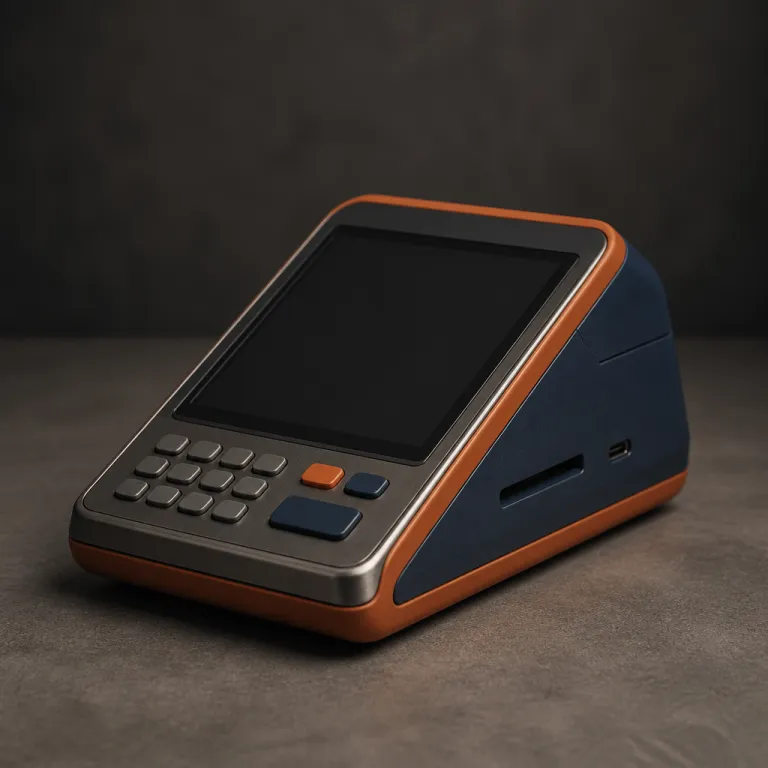
From isolated tools to connected hotel FB technology ecosystems
HITEC 2026 in San Antonio confirmed that hotel FB technology has moved from isolated gadgets to connected, AI infused ecosystems that reshape hotel operations. Organized by Hospitality Financial and Technology Professionals (HFTP), the conference drew more than 6,000 attendees and over 300 exhibitors, and many education sessions focused on one core shift in hospitality: the move from standalone tech to platforms where property management systems, point of sale, procurement, and guest facing tools share the same data in real time. For any hotel brand or independent hotel, that change directly affects how F&B directors, chefs, and technology leaders design f&b operations and protect margin over the long term.
On the show floor, Oracle’s OPERA Cloud Assistant illustrated what “connected” now means for a hotel: AI assisted room assignments, rate descriptions, and multilingual translation are embedded directly into PMS workflows instead of sitting in separate systems. According to Oracle’s public HITEC demo materials, a 200 room hotel scenario showed how linking PMS and F&B forecasting could cut manual data entry time by roughly 30% while improving breakfast production accuracy by 8–10%, based on internal benchmarking shared at the stand. When those technologies are linked to hotel f&b platforms, the same guest data that drives pricing and room allocation can inform food beverage forecasting, guest preferences for breakfast, and even which dining experience to promote through mobile pre arrival messaging. As one regional F&B director for an upscale US portfolio put it during a HITEC panel, “The win is not the gadget; it’s having one version of the guest that every outlet can act on in real time.” HITEC is the world's largest hospitality technology conference, and this scale matters for F&B because thousands of hospitality professionals and hundreds of exhibiting companies now expect technology to enhance both operational efficiency and the guest experience, not just automate back office tasks.
For F&B directors, the practical difference between standalone and connected technologies is simple: a standalone ordering app or kiosk may speed up one service touchpoint, but a connected platform lets staff see guest interactions, spend history, and allergy notes across all outlets. That unified view of guests allows hotel teams to deliver more relevant guest experiences, from lobby bar to rooftop restaurant, without asking the same questions at every table. It also means that when a guest moves from room service to the bar, the human touch and human connection can be supported by shared data rather than replaced by tech, keeping hospitality human while still meeting rising guest expectations.
Vendor strategy, switching costs, and AI in procurement and inventory
For hotel F&B leaders, HITEC 2026 changed how to evaluate vendors, because hotel FB technology is no longer a collection of apps but a network of platforms that must talk to each other. F&B vendors such as Toast, Lightspeed, IRIS, Bbot, and Olo showcased unified integrations that connect menus, payments, loyalty, inventory, and guest profiles, turning what used to be separate systems into a single operational spine for hotels. When these technologies are connected, a change in a menu item or recipe cost can flow instantly into procurement, stock levels, and even mobile ordering interfaces, reducing manual work for staff and tightening control over food beverage margins.
Inn Flow’s expansion of AI capabilities across procurement, inventory, and accounting showed how deeply this shift can influence f&b operations and long term profitability. Instead of treating procurement as a monthly task, AI can analyse historical data, forecast demand by outlet and daypart, and propose orders that match guest preferences and guest expectations while protecting cash flow and storage space. In one HITEC case study shared in Inn Flow’s education session and follow up materials, a multi property hotel group using AI assisted ordering reported a 3–5% reduction in food cost percentage and a 20% cut in time spent on weekly purchasing, illustrating how connected technology can deliver consistent guest experiences and guest satisfaction while still allowing local chefs to adapt menus to their market, because the same tech backbone supports both creativity and control.
Integrated platforms also change switching costs, since replacing one piece of hotel FB technology now affects the entire chain of guest facing and back of house tools. A hotel that wants to replace its legacy POS must now consider loyalty links, mobile ordering, minibar revenue strategies, and even how bar teams view guest data during service. This is where connected minibar and in room dining strategies, such as those analysed in specialised work on RevPAR uplift from minibar concepts, become part of the same technology conversation, because every guest interaction in the room or restaurant now sits on the same data layer.
Auditing the current stack against the new connected benchmark
HITEC 2026 set a new benchmark for what a modern hotel FB technology stack should look like, and F&B directors now need a structured way to audit their own operations. The first step is to map every system that touches f&b operations, from POS and inventory to mobile ordering, loyalty, and guest messaging, then mark where data flows in real time and where staff still re enter information by hand. Any break in that chain is a signal that technology is not yet being used to enhance operational efficiency, and that the hotel may be missing opportunities to deliver a more coherent dining experience across outlets.
The second step is to evaluate how well current technologies support guest facing teams during live service, because hospitality human performance depends on tools that surface the right data at the right time. Ask whether servers can see guest preferences, allergy notes, and stay history at the table, whether bar staff can access loyalty profiles, and whether managers can track guest satisfaction scores by outlet and daypart. For leaders focused on financial performance, frameworks such as those used to measure the ROI of experiential dining, for example in analyses of what experiential dining actually returns in ROI for hotel F&B, can be adapted to quantify how each technology enhance decision affects revenue, cost, and guest experiences.
The final step is governance: defining who owns hotel FB technology decisions across IT, finance, and F&B, and how often the team reviews systems against evolving guest expectations and hotel operations needs. As a practical audit checklist, hotel F&B leaders can track at least five concrete checks and target KPIs: the percentage of f&b data sources connected in real time (aim for 80–90%), the share of ordering and inventory tasks still entered manually (target a 30–40% reduction versus the previous year), the proportion of outlets where servers can see unified guest profiles at the table, the variance between forecast and actual food cost percentage by outlet, and the response time for updating menus or pricing across all channels. Connected platforms reduce the number of vendors but increase the strategic weight of each choice, so contracts, APIs, and data access rights must be managed with the same rigour as food safety or labour planning. When that happens, technology stops trying to replace the human touch and instead becomes the quiet infrastructure that lets hospitality human teams focus on high value guest interactions, protect brand equity, and build long term loyalty across all hotels in a portfolio.