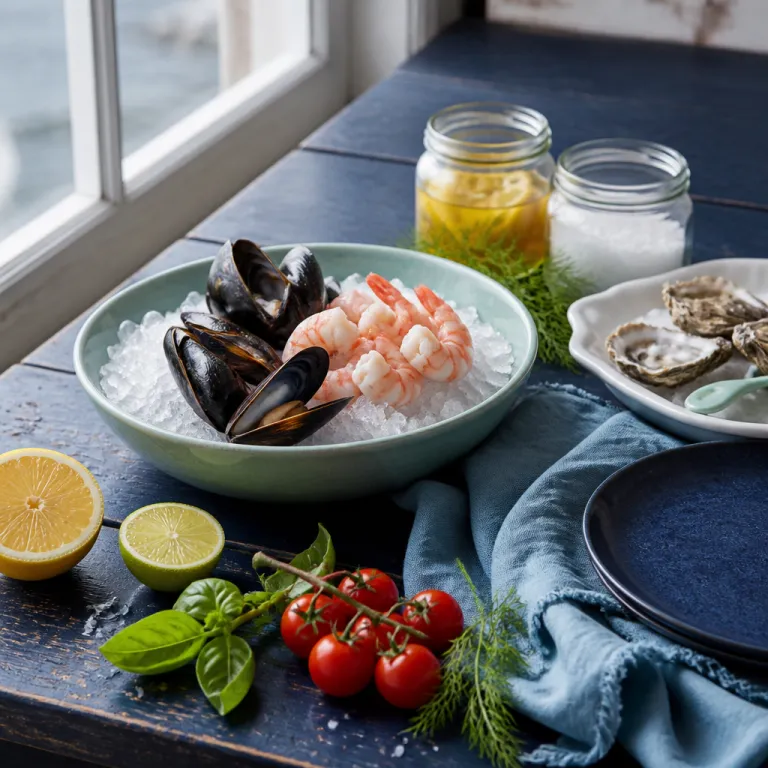
Summer hotel restaurant trends that build a year-round local base
Summer is when hotel restaurants finally feel full, yet most hospitality businesses still treat the season as a sprint rather than a structured acquisition campaign for local diners. The smartest hotels now use peak traffic to test hotel restaurant trends that deliberately convert transient travelers and nearby residents into repeat guests for the shoulder months, turning every full terrace into a long term business funnel. This shift in mindset changes how you program food, beverage and service, and how you measure guest satisfaction across the entire hospitality industry.
Three forces are shaping these hospitality trends for hotel F&B leaders this summer : budget conscious travelers trading down on room category but up on dining experiences, health conscious guests demanding transparent food beverage choices, and locals who expect restaurant industry level creativity from hotel restaurants. These industry trends mean that a hotel resort can no longer rely on generic menus or a single signature restaurant experience if it wants to compete with independent restaurants for repeat business. Instead, hotel F&B directors must curate a portfolio of dining experiences that feel local, eco friendly and priced for frequent visits, not just for once in a year celebrations.
Outdoor dining remains the most visible of current hotel restaurant trends, but the operators who win think beyond the terrace layout. They design a summer calendar where each week offers a different dining experience anchored in local food, beverage trends and entertainment that speaks to both in house guests and the surrounding neighborhood. This approach turns the hotel into a hospitality hub where the guest experience extends from breakfast on the patio to late night pop up bars, with each touchpoint engineered to drive guest satisfaction and future reservations.
Programming the summer calendar for local capture and repeat visits
Programming is where hotel restaurant trends become measurable strategy rather than seasonal decoration. The most effective hospitality businesses now build a three phase calendar around planning in spring, implementation in summer and evaluation in fall, treating each pop up bar, outdoor cinema or chef collaboration as a test of future dining experiences. This disciplined approach allows a hotel to track which restaurant concepts actually move the needle on local capture rate and repeat guest experience.
Start with a clear grid : weeknight programming aimed at local business diners and residents, and weekend events targeted at leisure travelers and families. Outdoor cinema dining with wireless headsets, for example, can pair a concise food menu with a focused beverage list that minimizes food waste while still delivering a premium dining experience. Case studies from operators featured in the hotel F&B management playbook on flat rate revenue years at F&B for Travel show that hotels which treat summer as a structured test lab for concepts outperform those that only chase volume.
Every activation should reinforce your positioning in the wider restaurant industry, not dilute it. A Thursday local producer market with small plates and beverage trends tastings can showcase sustainability commitments, while a Sunday health conscious brunch with low alcohol cocktails and plant forward food can attract repeat local guests who might otherwise choose independent restaurants. The key is to connect each event to a loyalty mechanism, whether that is a simple QR based sign up, a hotel app offer or a dining pass that rewards guest satisfaction with off season benefits.
Designing menus, bars and beverage trends for margin and loyalty
Menu engineering during summer should reflect hotel restaurant trends that balance perceived generosity with disciplined cost control. Seasonal menu adaptation using local produce reduces food waste and supports sustainability, while also giving guests a reason to return as dishes change across the season. Integrating global flavors into familiar dishes keeps the dining experience approachable for travelers and locals who might hesitate with fully experimental food.
Bar strategy is now as critical as the main restaurant for hotel F&B profitability. Ready to drink cocktails, batched spritzes and low prep signature serves can turn a pool bar or rooftop into a high margin revenue line, as detailed in the analysis of ready to drink cocktails as a hotel revenue stream on F&B for Travel. These beverage trends allow hotels and hotel resorts to serve both in house guests and external restaurant guests quickly, maintaining service quality even with seasonal staffing while protecting pour cost and overall business margins.
Artificial intelligence is quietly reshaping how menus and beverage lists are planned in the hospitality industry. Operators are using AI driven demand forecasting to align purchasing with expected covers, cutting food waste and enabling more precise pricing for both restaurants and bars. When combined with guest data from loyalty programs, this technology helps tailor dining experiences to specific segments, such as health conscious travelers seeking lighter food beverage options or local guests who respond to eco friendly messaging and national restaurant style value offers.
Capturing and converting local guests beyond the summer peak
Summer volume only matters if it turns into identifiable, contactable demand for autumn and winter. That means every hotel restaurant, bar and terrace activation must include a frictionless way to capture guest data with clear value exchange, such as priority access to future dining experiences or preferred pricing on weekday menus. Loyalty programs that reward dining experience frequency, not just room nights, are becoming a defining feature of hotel restaurant trends in urban and resort markets.
Local guests behave differently from transient travelers, and your metrics should reflect that reality. Instead of only tracking covers and average check, leading hospitality businesses now monitor local capture rate, return visit frequency and off season conversion from summer sign ups, using these data points as core KPIs for hotel F&B performance. As one industry benchmark notes : "How can restaurants maintain customer loyalty year-round? By adapting menus seasonally and offering consistent quality."
Partnerships with private clubs, restaurant chains and food and beverage brands can extend your reach into the local restaurant industry ecosystem. Co branded events, chef swaps or beverage trends showcases can position your hotel restaurants as part of the city’s dining circuit rather than an isolated hospitality asset. For a deeper look at how membership driven concepts build dining loyalty, the Soho House Tokyo case study on F&B for Travel offers a useful reference point for any GM or F&B director rethinking their guest experience strategy.
Staffing, service design and operational discipline in peak season
Seasonal staffing remains the operational fault line where many hotel restaurant trends collapse under real world pressure. The challenge is to scale service for summer volume without eroding guest satisfaction or training costs to the point where the business case disappears. Hotels that succeed treat seasonal hiring as a pipeline for future permanent roles, not as disposable labor for three busy months.
Service design must reflect the realities of both travelers and locals using the same spaces. Clear zoning between bar, lounge and restaurant areas, combined with simplified food beverage menus at high traffic points, helps maintain speed without sacrificing the overall dining experience. Outdoor dining stations with limited but high margin offers can reduce strain on the main kitchen, while still delivering the level of hospitality that keeps guests returning in quieter months.
Artificial intelligence tools can support scheduling, forecasting and even real time service adjustments, but they do not replace a well trained équipe. Data analytics from previous summers, combined with customer feedback and marketing campaign results, should inform how many staff you deploy for each activation and which service standards are non negotiable. In the most resilient hospitality businesses, the summer playbook is written with the same rigor as a national restaurant chain manual, yet flexible enough to respond to local conditions, weather swings and shifting industry trends.
Measuring what really matters after the summer rush
Once the terraces empty and pool bars close, the question is simple : did your summer hotel restaurant trends create durable demand or just a seasonal spike. Evaluation in early fall should combine hard data on revenue and covers with softer indicators of guest experience, such as review scores, social media sentiment and loyalty sign ups. The objective is to understand which dining experiences and beverage trends genuinely shifted behavior among both travelers and local guests.
Key metrics now go beyond traditional restaurant industry benchmarks. Local capture rate, defined as the proportion of covers from non resident guests, shows whether your hotel restaurants have become part of the city’s dining map rather than a closed hospitality asset. Off season conversion, measured by how many summer diners return in the following six months, reveals whether your programming, service and sustainability messaging resonated strongly enough to change habits.
For GMs and F&B directors, the final step is to translate these results into next year’s strategy and budget. Concepts that drove high guest satisfaction and repeat visits should be refined and extended, while underperforming events or menus must be retired without nostalgia. In a competitive hospitality industry where eco friendly practices, reduced food waste and health conscious options are no longer differentiators but expectations, the hotels that treat summer as a structured experiment rather than a one off peak will own the most valuable asset of all : loyal local diners who keep the lights on when the tourists leave.
FAQ
How can a hotel restaurant turn summer tourists into repeat local diners ?
The most effective approach is to treat every summer dining experience as a lead generation moment for the local market. Capture guest contact details through loyalty programs or event registrations, then invite those guests back with targeted offers for weekday dining experiences and seasonal menus once the peak season ends. Consistent quality, recognizable local food and beverage offers, and clear value are what convert one time travelers into advocates who recommend your restaurant to local friends.
What role does outdoor dining play in a summer F&B strategy ?
Outdoor dining is both a visibility tool and a revenue driver for hotel restaurants. Terraces, rooftops and poolside areas act as live billboards to the neighborhood, signaling that the hotel welcomes external guests and not only in house travelers. When combined with focused menus, efficient service and clear sustainability practices that minimize food waste, these spaces can become the backbone of a year round local audience.
Which KPIs should GMs track to judge summer F&B performance ?
Beyond revenue and average check, GMs should monitor local capture rate, return visit frequency and off season conversion from summer diners. Tracking guest satisfaction scores by outlet and by event type helps identify which hotel restaurant trends actually improve the guest experience. These metrics, combined with labor cost ratios and food beverage margin analysis, give a realistic view of whether summer strategies are building long term business value.
How can hotels manage seasonal staffing without damaging service quality ?
Successful hotels recruit seasonal staff early, invest in focused training and design service flows that match skill levels to task complexity. Simplified menus at high volume points, clear station responsibilities and strong supervision allow new team members to deliver consistent hospitality without overwhelming them. Treating seasonal roles as a pathway into permanent positions also improves retention and protects the guest experience across multiple summers.
Why is integrating global flavors into familiar dishes effective for hotel F&B ?
Global flavors in familiar formats allow hotels to offer novelty without alienating cautious diners. Guests recognize the base dish, such as a burger or salad, but experience new tastes that feel aligned with current hospitality trends and beverage trends. This balance is particularly powerful in summer, when both travelers and locals are more willing to experiment but still want the comfort of recognizable restaurant experiences.
Sources
Entegra Performance Kitchen ; Club Benchmarking ; National Restaurant Association.