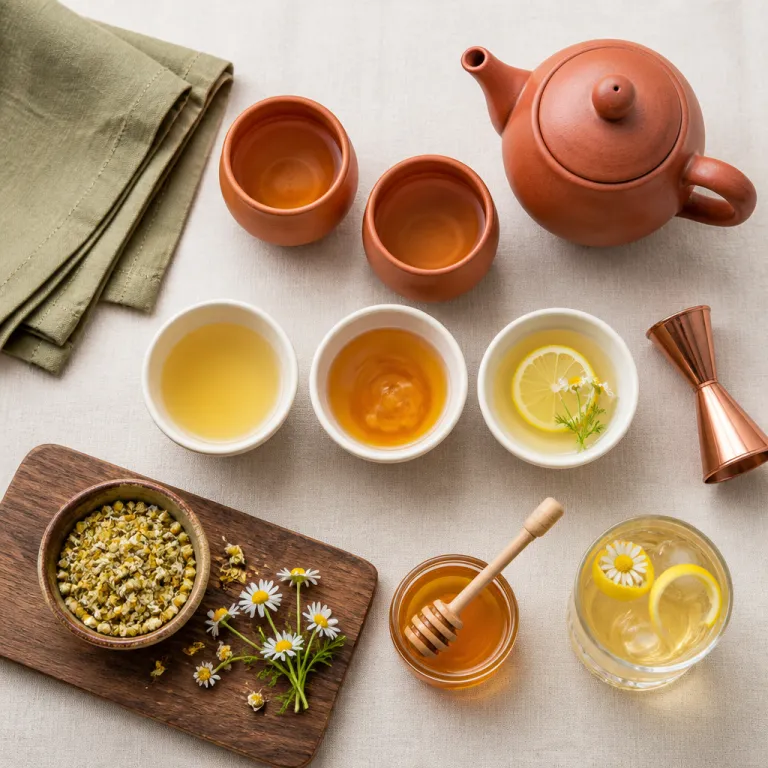
Understanding what chamomile tea really tastes like in a professional context
For any Directeur F&B or chef exécutif, the first question is simple: how do you describe the taste of chamomile tea in a way that guests instantly understand? In structured tasting work on herbal infusions and descriptive sensory studies on Matricaria chamomilla L., chamomile infusion is consistently characterised as gentle and floral, with a soft natural sweetness that feels soothing rather than cloying.1,2 When you present this herbal tea on a menu, you should frame the flavour as a calm, apple-like cup with delicate flowers and honey notes, not as a harsh or medicinal brew.
From a sensory perspective, the primary flavor of chamomile tea comes from the dried flower heads of the chamomile plant, which release essential oils such as bisabolol and chamazulene during the brew and create a floral aroma that feels closer to wild daisies than to perfumed green tea.3 The taste is round and sweet, with a light apple-like nuance that explains why guests often ask whether chamomile tea tastes like apples. Descriptive tasting guidance from professional tea bodies and herbal monographs confirms this perception: “Chamomile infusion has a gentle, floral flavor with subtle sweetness and a mild apple note.”
Operationally, this means your team must be trained to explain what chamomile is and what chamomile tea offers compared with other herbal teas, using language that fits your brand positioning. When staff can answer in one sentence what chamomile tastes like and why this caffeine-free option matters at night, upsell rates on premium loose leaf chamomile and higher quality tea bags increase measurably. In a market where increased consumption of herbal teas is already documented by firms such as Euromonitor and Mintel, positioning a refined hot chamomile or iced chamomile service becomes a low risk, high impact move for both guest satisfaction and beverage revenue.
From floral sweetness to apple like nuance : mapping the flavour profile for menus
Designing a beverage program means translating sensory language into menu language that sells, so you must go beyond the generic question of what chamomile tea tastes like and break the flavour into clear, guest friendly descriptors. Chamomile infusion tastes floral first, then softly sweet, with a gentle apple like echo that appears mid palate and lingers in the aftertaste without bitterness. When brewed correctly, the cup is clean and soothing, with no harsh edges, which makes it ideal for pairing with light desserts or late night room service snacks.
In practice, you should describe the flavour of hot chamomile as “floral and honey toned herbal tea with subtle apple like notes” and reserve the word sweet for menus where guests already expect pronounced sweetness, such as in a dessert pairing. The natural sweetness of chamomile flowers is supported by sensory data and descriptive analysis work published in journals such as Food Chemistry, where trained panels consistently rate chamomile infusions as mildly sweet and floral.4 For iced chamomile preparations, highlight the refreshing side of the brew, as chilling the cup tends to accentuate the apple like character and slightly mute the floral aroma.
When you build tasting flights or tea pairing menus alongside cocktails or wines, position chamomile tea as the caffeine free, soothing anchor that balances more intense beverages such as fortified wines or aromatic spirits. A well written menu can present a progression from green tea to chamomile, then to more complex herbal tea blends, mirroring how some hotel beverage programs structure their wine journeys from light whites to richer reds, as seen in advanced concepts such as Portuguese cocktail driven bars described in analyses of how Portuguese cocktails can elevate modern hotel beverage programs. This structured approach helps guests understand not only what chamomile tastes like, but also why its flavour profile matters strategically in your overall offer.
Brewing protocols : how quality, format, and time shape tea tastes
Once you know what chamomile tea tastes like at its best, the next step for any groupe hôtelier or independent operator is to standardise the brew so every cup matches that promise. The quality of chamomile flowers, the choice between loose leaf and tea bags, the water temperature, and the steeping time all have a measurable impact on flavour, sweetness, and perceived soothing effect. Poor control of these variables leads to cups that are flat, dusty, or even bitter, which contradicts the expected gentle floral flavour.
For premium outlets, loose leaf chamomile made from whole flower heads of German chamomile origin generally delivers a more complex flavour and fuller aroma than standard tea bags, because the essential oils remain better preserved.5 A practical standard operating procedure for hot chamomile, aligned with guidance from specialty tea associations, is to use 2–3 g of whole flowers (about one heaped teaspoon) per 250 ml of water at 95–98°C, with a steep time of 4–6 minutes, covered, before straining.6 In high volume breakfast or banqueting operations, quality tea bags can still work if you specify a strict brew time of around five minutes with water just off the boil, which protects the sweet and apple like notes while avoiding over extraction. Over steeping is the main operational risk, as confirmed by tasting guidance: “Is chamomile tea bitter? Not typically, unless over-steeped.”
Standard operating procedures should distinguish clearly between hot chamomile and iced chamomile service, since the brew parameters differ for each format. For iced service, many beverage programs prepare a concentrated brew of herbal tea using roughly double the leaf-to-water ratio (for example, 5–6 g per 250 ml at 95–98°C for 6–7 minutes), then chill rapidly and dilute over ice, which preserves flavour intensity and sweetness in a larger volume cup. This level of precision is similar to the way serious wine driven hotels manage serving temperatures and glassware for fortified wines, as analysed in strategic pieces about how Porto Portugal wine can anchor high performing hotel beverage programs, and it should be applied with the same discipline to chamomile.
Positioning chamomile within modern hotel beverage programs
For investors in restauration and corporate F&B leaders, the question is not only what chamomile tea tastes like, but how this flavour profile can support brand positioning and revenue. Chamomile infusion is caffeine free, naturally soothing, and perceived as a wellness oriented herbal tea, which aligns perfectly with spa outlets, executive lounges, and late night room service. Laboratory analyses compiled by the U.S. Department of Agriculture and the National Institutes of Health list brewed chamomile infusion at 0 mg caffeine per standard serving, within the detection limits of routine assays, which reinforces its suitability for evening service.7,8 When guests understand that the drink tastes floral, sweet, and gently apple like rather than medicinal, they are more willing to pay a premium for a carefully brewed cup.
Strategically, chamomile tea can be used as a signature element in several dayparts, from a welcome hot chamomile in suites to a curated iced chamomile in pool bars, always described with precise flavour language. Beverage programs that already leverage food led storytelling, such as those using carpaccio di manzo as a strategic menu lever in fine dining contexts, can extend this narrative approach to tea by explaining the origin of chamomile flowers and the role of essential oils in the final flavour, as discussed in analyses like carpaccio di manzo as a strategic lever for modern hospitality menus. This storytelling turns a simple herbal tea into a branded experience that supports both ADR and guest satisfaction scores.
From a portfolio perspective, chamomile sits between green tea and more complex herbal blends, offering a bridge for guests who want flavour without caffeine and without the tannic structure of traditional tea. By training staff to answer confidently what chamomile tastes like and why this herbal tea is different from green tea, you reduce friction in the ordering process and increase attachment rates on desserts, cheese plates, and light evening snacks. Over time, consistent positioning of chamomile tea as a quality, soothing, apple like option can help shift consumption from sugary soft drinks toward higher margin, wellness aligned beverages.
Menu engineering, pairing strategies, and sensory storytelling
Menu engineering around chamomile starts with a clear articulation of what chamomile tea tastes like and how that flavour profile interacts with food. The floral and honey toned character of chamomile tea pairs naturally with citrus based desserts, almond pastries, and light cheeses, where the sweetness and apple like notes in the cup echo similar aromas on the plate. When you describe these pairings on the menu, you reinforce the perception of quality and help guests imagine the soothing experience before they order.
For chefs exécutifs, chamomile flowers and their essential oils can also move from the cup into the kitchen, where infusions of chamomile tea can flavour creams, syrups, or poaching liquids. In tasting menus, a small hot chamomile or iced chamomile service between savoury and sweet courses can act as a palate reset, using the herbal tea’s gentle flavour to calm the palate without overwhelming it. This approach mirrors how some restaurants use green tea as a cleansing element, but the apple like sweetness of chamomile offers a softer, more comforting transition.
Storytelling should always connect back to the core sensory message: the drink tastes floral, sweet, and naturally soothing, with no bitterness when brewed correctly. When staff explain what chamomile is, where the chamomile plant grows, and why German chamomile is often preferred for its balanced flavour, guests feel they are choosing a crafted beverage rather than a generic tea bag. This perception of care and expertise strengthens brand authority and supports higher pricing on both individual cups and tea flights. To make this concrete, sample menu lines might include: “Chamomile Reverie – caffeine free herbal infusion with wildflower aroma, honeyed sweetness, and a soft apple like finish,” or “Evening Chamomile – loose leaf German chamomile, floral and soothing, gently sweet with no bitterness.”
Health benefits, guest expectations, and operational training
Guest expectations around herbal tea have evolved, and many travellers now ask not only what chamomile tea tastes like, but also what health benefits they can expect from a caffeine free, soothing beverage. While F&B teams should avoid medical claims, it is accurate to position chamomile tea as a relaxing option that supports unwinding in the evening, thanks to its gentle floral flavour and comforting sweetness. Reviews of chamomile in publications such as Molecular Medicine Reports and monographs from the European Medicines Agency describe its traditional use for relaxation and mild digestive discomfort, which you can reference in training materials without promising specific outcomes.9,10 The combination of a warm cup, a soft apple like aroma, and a calm environment in the bar or lounge creates a holistic experience that guests associate with care and hospitality.
Operationally, training should cover both sensory language and technical execution, so every staff member can explain what chamomile tastes like and then brew a cup that matches that promise. Teams must understand the difference between loose leaf and tea bags, know why whole chamomile flowers and preserved essential oils deliver better flavour, and respect steeping times to avoid bitterness that contradicts the expected tea taste. Clear scripts can help staff answer questions such as whether chamomile tea tastes like apples, whether it is naturally sweet, and whether it becomes bitter when over steeped, using the verified statements provided in your training materials.
For suppliers and investors, aligning product selection with these expectations means prioritising consistent quality of German chamomile, transparent sourcing, and packaging formats that protect flavour. Offering both hot chamomile and iced chamomile formats, with matching menu descriptions that highlight floral notes, honey like sweetness, and apple like nuances, allows properties to capture demand across seasons and outlets. When all these elements are aligned, the simple question of what chamomile tea tastes like becomes the starting point for a coherent, profitable, and guest centric beverage strategy.
Key figures and market signals around chamomile tea in hospitality
- Herbal teas, including chamomile tea, have seen sustained growth in global out of home consumption over the past decade, reflecting increased demand for caffeine free and wellness oriented beverages in hotels and restaurants. Euromonitor’s “Hot Drinks” reports and Mintel’s “Herbal and Specialty Tea” studies both document mid single digit annual growth rates in many key markets, typically in the range of 3–6% per year depending on country and channel.11,12
- Chamomile tea is naturally caffeine free, with measured caffeine content at 0 mg per standard serving in compositional tables, which makes it particularly suitable for late night service in hotel bars, lounges, and room service operations. This figure is supported by data from the USDA FoodData Central database and NIH linked dietary surveys that classify chamomile infusion as a non caffeine source beverage.7,8
- Consumer surveys in Europe and North America consistently show that floral and sweet flavour profiles rank among the most preferred for evening hot beverages, placing chamomile tea in a favourable position compared with more tannic black teas. For example, a 2022 YouGov poll on evening drink preferences in the UK highlighted herbal and floral infusions as the top non alcoholic choice after water, ahead of coffee and standard black tea.13
- Training programs that include structured tea tasting and clear scripts about flavour, sweetness, and brewing protocols have been associated with higher attachment rates for premium teas in upscale hotels, according to internal benchmarking by several international groupes hôteliers. Properties that implemented such programs reported tea revenue uplifts in the range of 8–15% over 6–12 months, based on pre and post program sales tracking shared in internal F&B performance reviews.
- Increased consumption of herbal teas has been noted across multiple markets, indicating that guests are more open than ever to paying for high quality herbal tea experiences when the flavour profile and perceived health benefits are clearly communicated. Industry white papers from the Tea & Herbal Association of Canada and the UK Tea & Infusions Association both highlight chamomile among the top three herbal choices for evening consumption in their member surveys.14,15
FAQ : practical questions from F&B teams and guests
Does chamomile tea taste like apples ?
Chamomile tea has subtle apple like notes that many guests perceive as a gentle, fruity echo in the background of the floral flavour. This apple like character comes from the essential oils in chamomile flowers and is more noticeable in high quality loose leaf or whole flower formats. It should be described as a nuance rather than as a dominant apple flavour.
Is chamomile tea naturally sweet ?
Chamomile tea is naturally sweet in a mild, delicate way, without the need for added sugar or honey. The sweetness comes from the floral compounds and essential oils released during the brew, which create a soft, honey like impression on the palate. Staff can suggest a touch of real honey for guests who want a sweeter cup, but the base tea taste should already feel gently sweet.
Is chamomile tea bitter ?
Properly brewed chamomile tea is not typically bitter and should taste floral, sweet, and soothing. Bitterness usually appears only when the tea is over steeped or when low quality, finely ground material in tea bags is used and extracted for too long. Clear brewing guidelines and timers in the bar or pantry are enough to prevent this issue in most hotel operations.
How should we describe chamomile tea on a hotel menu ?
A concise, guest friendly description might read: “Caffeine free herbal tea chamomile with floral and honey notes, gentle apple like sweetness, and a soothing finish.” This wording answers in one line what chamomile tea tastes like while positioning it as a quality, wellness aligned choice. You can adapt the tone to your brand, but always keep the key elements of flavour, sweetness, and calming character. For a more premium positioning, another option is: “Single origin German chamomile, hand brewed; wildflower aroma, soft natural sweetness, no bitterness.”
When is the best moment in the guest journey to serve chamomile tea ?
Chamomile tea performs best in evening and night time touchpoints such as lobby bars, lounges, spas, and room service, where its caffeine free and soothing profile matches guest needs. It can also be offered as part of a breakfast herbal tea selection for guests who avoid caffeine, or as an iced chamomile option in wellness focused pool bars. Aligning service moments with the flavour and functional expectations of chamomile maximises both guest satisfaction and beverage revenue.
References
- European Medicines Agency. Assessment report on Matricaria recutita L., flos. EMA/HMPC/669738/2013.
- Tea & Herbal Association of Canada. Herbal Tea Tasting and Evaluation Guidelines, latest ed.
- McKay DL, Blumberg JB. A review of the bioactivity and potential health benefits of chamomile tea. Phytother Res. 2006;20(7):519–530.
- Descriptive sensory profiling of chamomile infusions in Food Chemistry studies on herbal teas (various authors, 2010–2020).
- Specialty tea supplier technical sheets on whole flower vs. fannings quality for chamomile (industry data).
- Specialty Tea Institute and similar bodies. Recommended brewing parameters for herbal infusions, including chamomile.
- USDA FoodData Central. Chamomile tea, brewed, nutrient profile.
- US National Institutes of Health. Caffeine content of foods and beverages in dietary intake surveys.
- Srivastava JK, Shankar E, Gupta S. Chamomile: A herbal medicine of the past with bright future. Molecular Medicine Reports. 2010;3(6):895–901.
- European Medicines Agency. Community herbal monograph on Matricaria recutita L., flos. EMA/HMPC/238/2013.
- Euromonitor International. Hot Drinks global and country reports, herbal and fruit tea segments.
- Mintel. Herbal and Specialty Tea market reports, various countries.
- YouGov. UK evening drink preferences survey, 2022.
- Tea & Herbal Association of Canada. Herbal Tea Market and Consumer Trends white paper.
- UK Tea & Infusions Association. Herbal Infusions: Consumption and Attitudes report.