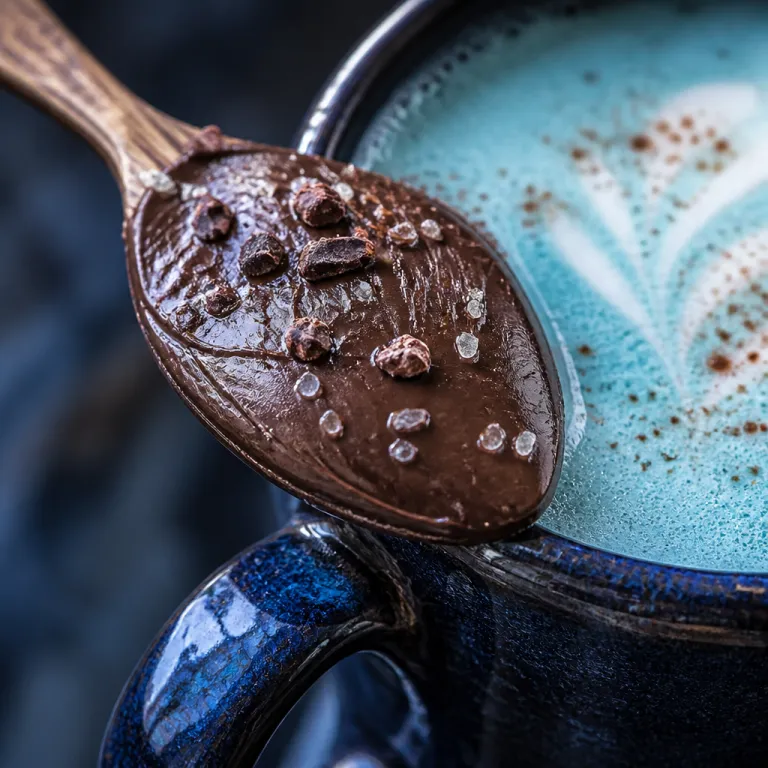
From novelty to strategy: positioning chocolate spoons in hotel beverage programs
Chocolate spoons have moved from retail curiosity to serious beverage tool. For Directeurs F&B and chefs exécutifs, they now sit at the intersection of guest experience, price architecture, and operational discipline. When integrated correctly, a single chocolate spoon can shift a regular hot drink into a premium dessert-style occasion and support a broader hotel beverage upsell strategy.
Producers such as Beth's Chocolate, Chocolate Shoppe, and Canonica already treat each chocolate spoon as a calibrated chocolate unit, with dark chocolate, milk chocolate, and sometimes white chocolate aligned to specific beverage profiles. Their typical price per spoon of around 3.50 USD, based on publicly listed retail ranges in 2024 from these suppliers’ catalogues, sets a clear benchmark for hotel buyers who must balance cost of goods with perceived value in hot chocolate or hot cocoa service. In upscale properties, that cost can be multiplied by four or five on the menu when the spoon is bundled with coffee, cocoa, or a plated dessert ritual.
For beverage programs, the strategic question is not whether chocolate spoons are fashionable, but where they sit in the menu hierarchy. Are they an upsell on hot drinks, a mini dessert, or a Christmas seasonal gift line at the bar and retail corner? Clarifying this role allows F&B équipes to define portion sizes, select between wooden spoons or plastic spoons, and decide whether chocolate spoon variants will be positioned as standard items or limited editions within the overall chocolate spoon menu pricing strategy.
Designing beverage rituals and guest experience with chocolate spoons across dayparts
Well-designed beverage rituals turn a simple chocolate spoon into a memory. In lobby lounges, a tray of hot chocolate served with a chocolate spoon, a small marshmallow, and a chilled cream quenelle can justify a higher price and extend dwell time. In breakfast service, chocolate spoons paired with coffee or hot cocoa can reposition a basic buffet into a perceived boutique experience without changing the underlying coffee blend.
For afternoon tea, Directeurs F&B can specify different spoon sizes, using mini chocolate spoons for tasting flights and larger chocolate spoons for signature cups. Dark chocolate spoons work beautifully with single-origin coffee, while milk chocolate spoons support family-friendly hot drinks with marshmallow and whipped cream toppings. Canonica's assorted chocolate spoons show how flavor diversity, from hazelnut to caramel, can be mapped to tea, coffee, and even ice-based drinks without overcomplicating mise en place.
In bar programs, a wooden spoon coated in dark chocolate can become a stirring spoon for Irish coffee or a dessert-style espresso martini, while plastic spoons or clear plastic disposable spoons might be reserved for high-volume banqueting. When you design these rituals, think in terms of guest choreography: the moment the guest lifts the spoon, stirs the hot drink, watches the chocolate melt, and tastes the first sip. That choreography is what allows you to position chocolate spoons alongside premium wines or fortifieds as part of a broader narrative about elevated beverages, similar to how a carefully chosen Porto wine can anchor high-performing hotel beverage programs in the fine dining space.
Texture and temperature contrast also matter. Serving a hot drink with a side of ice water, a crisp biscuit, or a chilled cream quenelle creates a more complex sensory profile than a standard coffee. In this context, chocolate wooden spoons or mini spoon formats can be tailored to different age groups and cultural expectations, while plastic spoons and disposable spoons remain available for poolside or outdoor service where safety and hygiene trump aesthetics, reinforcing the overall guest experience design.
Operational choices: formats, materials, and flow for high volume service
Behind the scenes, chocolate spoons only create value if they work operationally. Directeurs F&B must decide between handcrafted chocolate wooden spoons from local chocolatiers and mass-produced plastic spoons from industrial partners. The choice impacts storage, service speed, and the perceived alignment with the hotel's sustainability commitments.
Wooden spoons coated in chocolate communicate craft and warmth, especially in boutique and resort environments where wooden spoon aesthetics match the interior design. Plastic spoons and clear plastic disposable spoons, by contrast, suit large banqueting operations where thousands of hot cocoa portions must be served within minutes, and where a disposable stirring spoon reduces breakage and dishwashing loads. Some properties even segment by outlet, using chocolate wooden formats in the lobby bar and more regular plastic formats in conference coffee breaks.
Flow design matters as much as material. Storing chocolate spoons at the right temperature prevents blooming and ensures that the chocolate melts evenly when plunged into hot coffee or hot chocolate, without leaving unmelted chunks. Beverage leaders already rethinking high-sugar fizz and asking what fizzy drink has the most sugar should apply the same analytical lens here, tracking how many hot chocolate spoons are sold per cover, how often guests accept a chocolate spoon upsell, and how the incremental dessert revenue compares with classic candy or cake offers in their hotel beverage upsell strategy.
Menu engineering, pricing, and ROI around chocolate spoons
From a financial perspective, chocolate spoons are a textbook case of smart menu engineering. With an average cost of around 3.50 USD per spoon, operators can build a tiered price ladder that stretches from a simple coffee stir upgrade to a full dessert-style beverage. The key is to frame the chocolate spoon not as a garnish, but as an edible component that replaces part of the dessert cost.
One effective approach is to create three clear tiers on the menu, using regular hot drinks, enhanced hot cocoa with chocolate spoons, and signature hot chocolate desserts with multiple chocolate spoons and toppings. The first tier might offer a coffee stir with a single dark chocolate spoon at a modest supplement, while the second tier uses milk chocolate spoons, marshmallow, and cream foam to justify a higher price point. The top tier can integrate a candy cane, mini candy pieces, and a plated biscuit, effectively turning the beverage into a shareable dessert for two.
For Christmas periods, this ladder becomes even more powerful. Seasonal chocolate spoons presented as a gift set in the lobby retail corner can be priced as premium candy, especially when packaged with wooden spoons or a branded wooden spoon mug. When you analyse the ROI, compare the incremental revenue from these chocolate spoon offers with the cost of traditional plated desserts, factoring in lower labour on baking, reduced ice cream storage, and fewer disposable spoons or dessert plates in circulation.
As a simple benchmark example, consider a hotel selling 200 hot beverages per day. If 20 % of guests accept a chocolate spoon upsell at a 6.00 USD menu price, with a 3.50 USD cost per spoon, the daily incremental gross profit is approximately 100 USD. Over a 30-day month, that equates to around 3,000 USD in additional contribution margin from a single, tightly managed chocolate spoon program; these figures are illustrative, based on internal hotel benchmarking shared informally at industry conferences rather than a published data set.
Guest experience, storytelling, and sensory design around chocolate spoons
Guests rarely remember the exact price of a coffee, but they remember a well-staged ritual. Chocolate spoons lend themselves to storytelling that connects the origin of the chocolate, the craft of the chocolatier, and the sensory pleasure of stirring a spoon into a steaming cup. For Directeurs F&B, this is an opportunity to align beverage narratives with broader brand positioning.
Training baristas and servers to present chocolate spoons as part of a micro ceremony can transform a quick coffee into a three-minute experience. A simple script might highlight that the spoon is made from dark chocolate sourced from a specific region, that it will melt gradually into the hot cocoa or hot chocolate, and that the guest can finish by eating the remaining chocolate as a mini dessert. In family resorts, teams can emphasise the fun element, inviting children to add marshmallow, whipped cream toppings, or even a small candy cane to personalise their drink.
Texture and pacing can be reinforced through small sensory cues: a contrasting saucer colour to showcase the chocolate spoon, a short explanation printed on the menu, or a visible display of assorted chocolate spoons at the bar. These touches help guests understand that the spoon is not a free amenity but a curated part of the beverage experience, supporting both perceived value and price integrity and strengthening the overall chocolate spoon menu pricing story.
Partnerships, production models, and sustainability considerations
Choosing the right production model for chocolate spoons is a strategic decision, not a purely culinary one. Handcrafted production with local chocolatiers such as Beth's Chocolate or Chocolate Shoppe allows hotels to tell an authentic terroir story and to co-create exclusive chocolate spoons for signature beverages. Mass production through larger partners like Canonica, on the other hand, guarantees consistent quality, stable price points, and reliable supply for groupes hôteliers operating across multiple countries.
Some properties adopt a hybrid model, using artisanal wooden spoons coated in chocolate for flagship outlets and more regular plastic spoons for banqueting and room service. Sustainability expectations push many brands to favour wooden spoons over clear plastic or fully disposable spoons, especially in markets where single-use plastic is regulated. When plastic is unavoidable, specifying recyclable clear plastic and communicating recycling procedures to guests can mitigate reputational risk.
Storage and logistics must not be underestimated. Chocolate spoons are sensitive to heat, so back-of-house teams need controlled temperature zones to avoid melting or fat bloom, particularly in hot climates and high-volume operations. As one operational guideline from supplier reference material states: “Check local chocolatiers for unique varieties. Verify shipping options for online purchases. Consider storage conditions to prevent melting.” For investors in restauration, these details translate directly into reduced wastage, better inventory turns, and a more resilient beverage offer that can support broader strategies such as using sweet items as strategic profit drivers in modern hotel F&B.
Key figures and performance benchmarks for chocolate spoons in hospitality
- Average price per spoon for quality chocolate spoons is around 3.50 USD according to specialist producers' 2024 retail listings, which allows many hotels to target a menu selling price between 8.00 and 15.00 USD when the spoon is bundled with a premium hot drink.
- Common chocolate types used for spoons are typically three main styles — dark chocolate, milk chocolate, and white chocolate — giving F&B teams a simple framework for pairing with coffee, tea, and cocoa-based beverages.
- In many upscale properties, attaching a chocolate spoon upsell to just 20 % of hot beverage orders can lift average check by 5 to 10 %, with minimal additional labour compared with plated desserts; this range is indicative and drawn from aggregated internal hotel benchmarking rather than a single published industry report.
- Seasonal periods such as the Christmas holidays often see sales of chocolate spoons and related gift sets increase by more than 30 % versus regular months, especially when displayed prominently in lobby retail corners and promoted through festive menus; again, these figures are directional benchmarks reported by operators rather than audited statistics.
- For large banqueting operations, switching from plated desserts to hot chocolate served with chocolate spoons can reduce dessert service time per cover by several minutes, freeing staff capacity for other high-value tasks and improving table-turn efficiency.
FAQ about chocolate spoons in hotel and restaurant beverage programs
How do you use chocolate spoons in a professional setting ?
In hotels and restaurants, chocolate spoons are typically served alongside hot beverages such as coffee, hot cocoa, or hot chocolate, and guests are invited to stir the spoon into the drink until the chocolate melts. The remaining chocolate can then be eaten as a small dessert element. This simple ritual increases perceived value and creates a memorable guest moment.
Are chocolate spoons reusable in hotel operations ?
Chocolate spoons are edible and intended for single use, so they are not reusable in any professional context. Once the guest has stirred the chocolate into a hot drink, the spoon structure is usually consumed or discarded. For hygiene and food safety reasons, operators must treat them as food items, not as durable utensils.
Can chocolate spoons be made in house by pastry or baking teams ?
Yes, many pastry brigades produce chocolate spoons in house using melted chocolate and silicone molds shaped like a spoon or a wooden spoon. This approach allows full control over chocolate type, inclusions such as marshmallow or candy pieces, and portion size. However, it requires careful tempering, controlled storage, and coordination with service teams to avoid breakage and melting.
What is the best way to store chocolate spoons in a busy hotel ?
Chocolate spoons should be stored in a cool, dry area away from direct light, ideally between 15 and 18 °C, to prevent melting and fat bloom. They must be kept in airtight containers or wrapped packaging to protect them from odours and humidity, especially near coffee, spices, or savoury mise en place. For high-volume outlets, separating wooden spoons and plastic spoons by use case and clearly labelling batches by date helps maintain consistent quality.
Are chocolate spoons suitable for large banquets and events ?
Chocolate spoons work very well for banquets when planned correctly, because they simplify dessert service and pair naturally with coffee service at the end of the meal. Many operators use plastic spoons or clear plastic disposable spoons for very large events, reserving wooden spoons or chocolate wooden formats for smaller VIP functions. The main operational focus is to ensure stable temperature in holding areas and a clear service script so staff present the spoons as a deliberate part of the event experience.
References
- Beth's Chocolate — product and pricing information for handmade chocolate spoons, based on 2024 catalogue data and publicly available retail price lists.
- Chocolate Shoppe — range of milk, dark, and white chocolate spoons for beverages, with publicly listed retail prices used as indicative benchmarks for chocolate spoon menu pricing.
- Canonica — industrial assortment of chocolate spoons for hospitality and travel retail, including volume pricing and flavour assortments referenced in this article, drawn from 2024 supplier documentation.