Is chorizo good for you in a professional hospitality context ?
For Directeurs F&B and executive chefs, the question “is chorizo good for you” is really about how this sausage behaves inside a structured menu engineering strategy. In hotel and resort operations, chorizo can be positioned as a high flavour driver and a concentrated source of animal protein, yet its saturated fat and high sodium levels demand strict portion control and smart pairing within a balanced diet. When you evaluate chorizo for large scale service, you must read the nutrition facts with the same attention you give to labour cost percentages and gross operating profit.
Spanish chorizo and Mexican chorizo are not interchangeable from a nutrition and health perspective, because their fat content, spices, and processing methods differ significantly. Spanish chorizo is usually a cured pork sausage with firm texture, higher visible fat, and intense paprika notes, while fresh Mexican chorizo is often sold raw, with more moisture, variable protein density, and sometimes additional offal or fillers that change the nutritional content per 100 grams. When you ask whether chorizo is healthy enough for your concept, you must first specify which style, which supplier, and which cooking chorizo format you are actually buying.
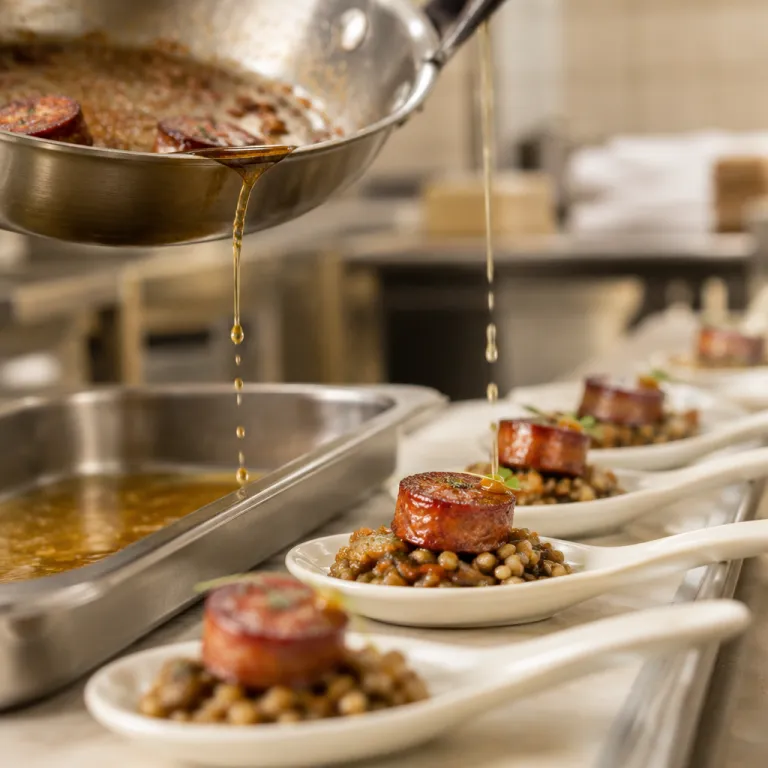
From a menu development standpoint, chorizo’s high flavour intensity allows you to add only 20 to 30 grams per plate and still let guests enjoy it as a signature accent. This small quantity can keep total calories under control, while still contributing a useful protein portion and some iron and zinc for guests who follow a flexitarian diet. Used this way, chorizo based menu items can sit comfortably alongside lighter dishes and support a perception of healthy nutrition without sacrificing indulgence or rate potential.
Comparing spanish chorizo and mexican chorizo for hotel operations
When you compare Spanish chorizo and Mexican chorizo for a hotel portfolio, you are really comparing two different tools in your culinary toolbox. Spanish chorizo, especially semi cured cooking formats, offers consistent sliceability, predictable fat content, and clear nutrition facts per 100 grams, which simplifies recipe costing and allergen labelling. Mexican chorizo, by contrast, behaves more like a spiced mince, with variable protein levels and higher rendered fat, which can either enrich a dish or overload it with saturated fat if not carefully managed.
For Directeurs F&B, the question “is chorizo good for you” becomes “is this specific pork chorizo format good for our brand positioning and guest expectations”. A luxury urban hotel might use a leaner Spanish chorizo option in a breakfast cassoulet, limiting each portion to 25 grams and balancing it with beans, tomatoes, and leafy greens to support a more balanced diet narrative. A resort with a Latin American concept could highlight Mexican chorizo in a brunch station, but still communicate clear nutrition facts and grams of saturated fat per serving on digital menus to maintain transparency with health conscious travellers.
Investors and asset managers increasingly ask how every pork product, from pork shank to pork chorizo, contributes to both profit and perceived health value. Strategic use of chorizo can mirror the logic described for slow cooked cuts in this analysis of how pork shank can become a strategic profit driver, where flavour density and yield compensate for higher fat levels. In both cases, the key is to add sausage in controlled grams, use it as a protein accent rather than the entire portion, and surround it with vegetables rich in vitamins and minerals to elevate the overall healthy nutrition profile.
Designing chorizo balanced dishes that respect health KPIs
For chefs exécutifs managing multi outlet properties, the challenge is not whether chorizo is healthy in absolute terms, but how to engineer chorizo balanced recipes that respect brand level health KPIs. A typical Spanish chorizo can reach 350 to 450 calories per 100 grams, with high saturated fat and high sodium levels that quickly escalate when portions are not standardised. By limiting the sausage to 20 grams per plate and pairing it with 120 grams of vegetables and pulses, you can keep energy intake in check while still letting guests enjoy chorizo as a flavour signature.
In practice, this means using cooking chorizo as a seasoning rather than a main protein, similar to how you might use lardons in a salad or pancetta in a pasta. For example, a hotel brasserie could serve grilled hake with a wax bean fricassée enriched by 25 grams of diced Spanish chorizo, following the logic of refined vegetable centric dishes such as those explored in these refined recipes for wax beans. In this configuration, the sausage’s nutritional impact is diluted across the plate, while the protein contribution and iron and zinc content still add value for guests seeking robust flavours.
For buffet operations, where self service can lead to uncontrolled intake of fat and sodium, you can design smaller chorizo focused bites that integrate more vegetables and grains. Mini frittatas with 15 grams of pork chorizo, roasted peppers, and chickpeas per portion can deliver a balanced mix of protein, vitamins, minerals, and fibre, while keeping total fat content and saturated fat within reasonable limits. Clear labelling of nutrition facts at the buffet line, including approximate calories per piece, reinforces trust and helps guests align their diet choices with their personal health goals.
Leveraging chorizo nutrition facts for transparent guest communication
Transparency around nutrition facts is now a core expectation for international travellers, especially in upscale and lifestyle hotels. When guests ask “is chorizo good for you”, they are often looking for simple, credible information about calories, fat content, and sodium, not a marketing slogan. By publishing clear nutritional data per 100 grams and per portion, you help guests manage their diet while still feeling free to enjoy chorizo in moderation.
Operationally, this requires close collaboration between chefs, Directeurs F&B, and suppliers to obtain reliable nutrition data for each Spanish chorizo and Mexican chorizo SKU. You should request full specification sheets that detail grams of protein, grams of saturated fat, total calories, and sodium levels, then translate these into guest friendly formats on printed menus, QR code menus, and in room dining tablets. When you present chorizo balanced dishes, highlight the role of vegetables, pulses, and whole grains in delivering vitamins, minerals, and fibre that support healthy nutrition overall.
Independent operators can go further by training service teams to answer basic questions about responsible chorizo usage. Staff should be able to explain that a typical 25 gram portion of pork chorizo adds intense flavour and a modest protein contribution, but also brings saturated fat that guests with cardiovascular concerns may wish to limit. This kind of honest, informed dialogue builds trust, reassures health conscious travellers, and positions your property as a partner in their long term health rather than a temptation to be resisted.
Innovation with chorizo in globalised hotel menus
Innovation around chorizo in hotel kitchens is no longer limited to Iberian or Latin themed outlets. Creative chefs now integrate Spanish chorizo and Mexican chorizo into cross cultural dishes, where a small quantity of sausage lifts the entire plate while the rest of the ingredients carry the healthy nutrition narrative. In this context, the question “is chorizo good for you” becomes “is our overall dish composition balanced enough to justify this indulgent note”.
One effective strategy is to pair chorizo with vegetables, pulses, and spices from other culinary traditions that already signal wellness to guests. For example, a Middle Eastern inspired grain bowl might feature 20 grams of sliced cooking chorizo alongside roasted cauliflower, chickpeas, and a zaatar yoghurt dressing, echoing the pantry shift described in this analysis of Middle Eastern ingredients in hotel kitchens. Here, the sausage’s high flavour intensity allows you to keep fat content and calories relatively low per serving, while the rest of the bowl delivers vitamins, minerals, fibre, and plant based proteins.
Suppliers can support this innovation by offering leaner pork chorizo formulations, reduced sodium options, and even poultry based chorizos that lower saturated fat without sacrificing too much flavour. For groups hôteliers, standardising on such products across properties simplifies nutrition facts communication and helps maintain a consistent chorizo balanced message in all markets. Investors restauration will appreciate that these innovations align indulgent flavours with measurable health KPIs, supporting both guest satisfaction scores and long term brand equity.
Operational guidelines for using chorizo responsibly in hospitality
From an operational standpoint, responsible use of chorizo starts with precise portioning and recipe standardisation. Every menu item that includes Spanish chorizo or Mexican chorizo should specify exact grams of sausage per portion, with clear targets for calories, fat content, and sodium that align with your brand’s health positioning. This discipline allows Directeurs F&B to answer confidently when guests or corporate teams ask “is chorizo good for you in our current menus”.
Kitchen brigades should be trained to treat chorizo as a seasoning asset rather than a bulk filler, especially in breakfast and brunch where overall fat and saturated fat can easily spike. For example, scrambled eggs with 15 grams of diced pork chorizo and 80 grams of grilled vegetables can deliver a satisfying protein rich breakfast with controlled calories and improved nutritional balance. By contrast, a plate overloaded with 80 grams of sausage risks undermining both guest health and the property’s healthy nutrition narrative, even if the rest of the diet offer is carefully curated.
Finally, menu engineering tools should integrate nutrition metrics alongside classic profitability KPIs, so that chorizo balanced dishes are evaluated on both margin and health impact. When a dish shows excellent contribution margin but relies heavily on high sodium, high fat chorizo, chefs exécutifs can reformulate by reducing sausage grams and increasing vegetables or pulses rich in vitamins and minerals. Over time, this approach allows hotels and restaurants to enjoy chorizo as a strategic flavour driver while still meeting the rising expectations of health conscious travellers and corporate clients.
Key statistics on chorizo, nutrition, and guest expectations
- Typical Spanish chorizo provides around 350 to 450 kilocalories per 100 grams, with 25 to 35 grams of fat and 9 to 12 grams of saturated fat, according to average values reported by European food composition tables such as ANSES CIQUAL and McCance & Widdowson; this means a 25 gram portion can add roughly 90 to 110 kilocalories to a dish.
- Many commercial pork chorizo products contain 1,200 to 1,600 milligrams of sodium per 100 grams, based on manufacturer specifications from major European and North American suppliers; this high sodium level can represent more than half of the recommended daily intake if portions are not controlled.
- Chorizo typically delivers 14 to 24 grams of protein per 100 grams, depending on style and fat content, according to data from national nutrition databases such as USDA FoodData Central and ANSES CIQUAL; this makes it a meaningful protein source, but the protein benefit must be weighed against saturated fat and sodium.
- Consumer surveys by major hotel groups and global research firms indicate that more than half of guests now read nutrition information at least occasionally when it is available on menus or digital platforms; this trend reinforces the need to publish clear nutrition facts for chorizo based dishes.
- Industry benchmarking from global hotel brands shows that menus with at least 30 % of items flagged as lighter or health focused often achieve higher overall guest satisfaction scores, even when guests still order indulgent items like chorizo; balance, not restriction, drives perceived value.
FAQ about chorizo and health in hotel and restaurant menus
Is chorizo ever a healthy choice for hotel guests ?
Chorizo can fit into a balanced diet when used in small portions and combined with vegetables, pulses, and whole grains. For hotel menus, limiting Spanish chorizo or Mexican chorizo to 20 to 30 grams per dish and pairing it with fibre rich sides helps control calories, fat, and sodium. The key is to treat chorizo as a flavour accent rather than the main protein.
Which is healthier, spanish chorizo or mexican chorizo ?
Neither style is automatically healthier, because nutrition facts vary widely by brand and recipe. Spanish chorizo is usually cured and may have higher visible fat but more predictable composition, while Mexican chorizo is often fresh, with variable fat content and sometimes higher sodium. Operators should compare labels for calories, saturated fat, and sodium per 100 grams, then choose the option that best fits their health standards.
How much chorizo should I use per portion in a balanced dish ?
For most hotel and restaurant concepts, 15 to 30 grams of chorizo per portion is enough to deliver strong flavour without excessive calories or saturated fat. This range allows you to keep total dish calories under control when combined with vegetables and grains. Larger portions may be acceptable for occasional indulgent items, but they should not dominate the menu.
Can chorizo be part of a heart friendly menu strategy ?
Chorizo is relatively high in saturated fat and sodium, so it is not a core ingredient in heart focused menus. However, it can appear occasionally in small amounts within otherwise heart friendly dishes that emphasise vegetables, legumes, and unsaturated fats. Clear communication of nutrition facts and portion sizes helps guests with cardiovascular concerns make informed choices.
What should F&B teams ask suppliers about chorizo products ?
F&B teams should request detailed specification sheets showing calories, total fat, saturated fat, sodium, and protein per 100 grams, as well as allergen information and curing methods. They should also ask whether reduced sodium or leaner pork chorizo options are available, and whether nutrition data has been independently verified. This information supports accurate menu labelling and consistent health positioning across properties.