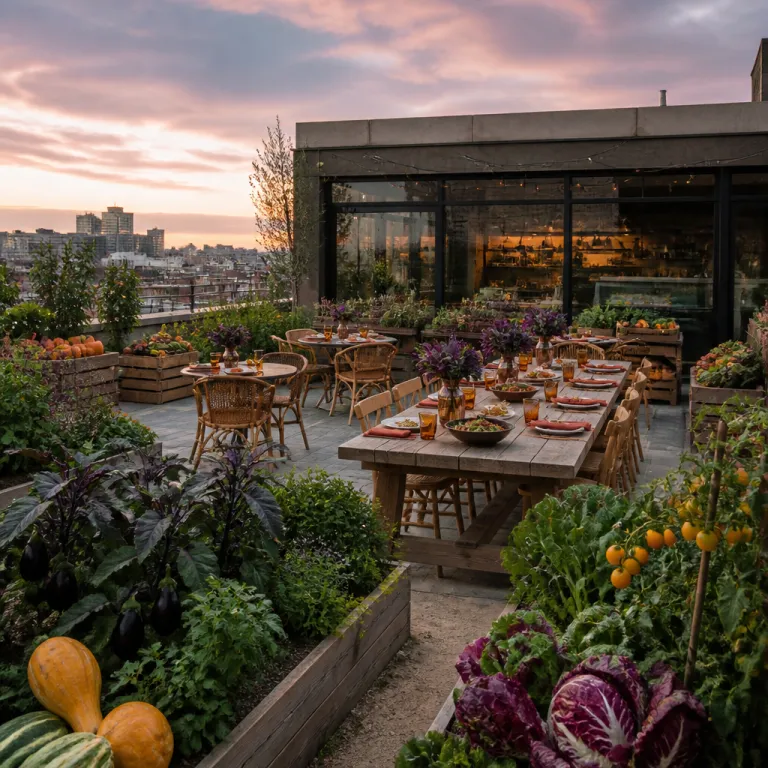
Defining a hotel culinary identity beyond the Michelin halo
Hotel culinary branding starts with a clear point of view, not a famous surname. In the hospitality industry, the most resilient hospitality brand in food and beverage is often the one that turns its own sous chef, baker or barista into the face of the restaurant brand and the wider hotel brand. When you treat that internal talent as the anchor of your culinary hotel narrative, you build a brand identity that survives chef turnover and still feels personal to guests.
Independent hotel restaurant teams that lack a Michelin star can still create a powerful hospitality branding platform. They do it by aligning the f&b concept, the guest experience and the visual design with one coherent brand strategy that fits the property’s positioning and real estate context. That means the restaurant branding, bar offer and breakfast proposition must all express the same brand voice, from menu language to music to the way the customer is greeted at 07:00.
For many properties, the most effective culinary branding strategies start with a brutally honest audit. You map every customer touchpoint where food beverage appears, from the lobby coffee cart to the minibar, and you ask whether each moment supports or dilutes the hotel culinary branding story. This is where hospitality management must decide which brands and local partners belong in the building, and which restaurant brand ideas are just noise that confuse guests and weaken brand loyalty.
Independent hotel owners and local chefs increasingly collaborate to build such concepts. According to industry reference material, local chefs act as culinary leaders who craft regionally inspired menus, while independent hotel owners function as developers who create unique culinary concepts that fit the overall business strategy. In one benchmark case, a regional resort that repositioned its main restaurant around a local chef partnership and a farm-led menu reported a 12–15% uplift in average check and a double-digit increase in food-led room bookings within twelve months, illustrating how a focused culinary identity can shift both F&B and rooms performance. Marketing teams then become the translators, turning that on property experience into digital content that reinforces the hotel brand and attracts new guests.
Local partners as the real stars of hospitality branding
Not every hotel can sign a Michelin level name, but every hotel can sign a farmer, a roaster or a baker. In practice, the most effective branding strategies in independent hospitality use local producers as co authors of the restaurant brand, giving them menu credit, storytelling space and sometimes even co branding on packaging. This approach turns a simple food beverage supplier relationship into a hospitality brand partnership that drives both guest experience and customer loyalty.
When a majority of travellers say they seek local food experiences in surveys from organisations such as the World Food Travel Association and destination marketing boards, local sourcing stops being a niche talking point and becomes core brand strategy. One WFTA study, for example, reported that roughly three quarters of leisure travellers consider food and drink an important factor in destination choice, and that visitors who identify as “culinary motivated” spend up to 25% more on F&B than the average guest. A culinary hotel that builds a breakfast buffet around one regional cheese producer and one heritage grain baker is not just buying ingredients; it is building a differentiated hotel restaurant identity that no global chain can easily copy. Those partnerships also create press ready content, from harvest visits to behind the scenes videos, that your marketing strategies team can deploy across social media and owned channels.
Local producer collaborations also change the economics of the business. A hotel that signs an exclusive roast with a neighbourhood coffee brand can negotiate margin friendly volumes while gaining a daily touchpoint that reinforces brand loyalty with both in house guests and local restaurant customers. Case studies such as the membership dining strategy at Soho House Tokyo, analysed in depth in this Japan F&B playbook, show how tightly curated local partnerships can turn a single outlet into a destination that supports the overall real estate value of the asset. In that example, the combination of a members-first dining room, a Japan-specific beverage programme and collaborations with Tokyo-based producers contributed to a reported uplift in weekday covers and helped drive membership applications in the first operating quarters, underlining how a precise culinary concept can influence both utilisation and asset perception.
For independent hotels, the operational playbook is clear. Start by mapping which parts of your current food offer could be replaced or elevated by a named local partner, then decide where that partner becomes visible in the brand voice and design of the space. Over time, those hospitality branding decisions compound into a recognisable culinary branding ecosystem that guests talk about, photograph and share, even without a celebrity chef attached.
Storytelling, content and social media as multipliers of brand equity
Once the culinary foundations are in place, hotel culinary branding lives or dies on how the story is told. For F&B management, that means treating every service, every prep session and every menu change as potential content that can reinforce the restaurant branding and the wider hospitality brand. The goal is not vanity metrics; the goal is to build a measurable link between what appears on social media and what shows up in restaurant covers, room nights and customer loyalty.
High impact content starts with clarity about the brand identity and brand voice. If your hotel restaurant is built around a wood fired grill and a local beef co operative, the photography, copywriting and video should focus on flame, craft and people rather than generic food shots that could belong to any hotel. Hospitality industry leaders who treat their Instagram grid as a visual brand strategy document, not just a marketing channel, see stronger alignment between online promise and on property guest experience. In internal post-opening reviews, some independent hotels have linked consistent, story-led content to tangible outcomes such as a 20–30% increase in direct restaurant enquiries after major content campaigns and a noticeable rise in review mentions of specific dishes or producers that feature prominently in their digital storytelling.
Chef led food tours, cooking classes and producer visits are particularly powerful storytelling engines. They generate rich content for blogs, newsletters and social media while deepening the emotional connection between guests and the hospitality brand that curated the experience. A detailed analysis of how resort cooking classes elevate guest engagement and repeat visits can be found in this report on the impact of cooking classes at resort hotels, which shows how experiential food programming becomes a core pillar of hotel culinary branding. In that research, resorts that introduced structured cooking academies reported higher participation in on property activities, incremental F&B revenue from class fees and upsell menus, and improved guest satisfaction scores among participants compared with non participants.
Pop up residencies and chef takeovers offer another lever for restaurant brand building without long term risk. Instead of chasing a permanent Michelin level partnership, independent hotels can use short term collaborations, as explored in this study on chef pop ups as a concept strategy, to test new concepts, attract local guests and generate press. The key is to ensure that every temporary activation still fits the long term brand strategy, so that the hotel brand feels consistent even as the culinary programming evolves.
Retail extensions and new revenue streams from culinary branding
For senior executives focused on asset value, the most compelling hotel culinary branding is the one that travels beyond the dining room. When a hospitality brand bottles its signature hot sauce, bags its custom coffee blend or sells its pastry chef’s granola in the lobby, it turns a perishable food moment into a durable revenue stream and a physical reminder of the guest experience. Those retail products also act as miniature restaurant brands that live in the customer’s kitchen long after check out.
Independent hotels are particularly well positioned to build such extensions because their management structures are nimble. A single property can pilot a small batch retail line with a local artisan, test price points and packaging, then scale the most successful items across a regional portfolio without waiting for global approvals. Each product should carry clear branding, from logo and typography to a short brand voice statement, so that the connection between the culinary hotel and the item on the shelf is unmistakable.
These initiatives also strengthen the business case for deeper local partnerships. A hotel that co develops a jam line with a nearby orchard or a spice blend with a neighbourhood chef is not just buying food beverage inputs; it is co creating intellectual property that can be sold on site, online and even through third party retailers. Over time, a family of such brands can become a meaningful contributor to F&B revenue, while also supporting the real estate valuation by proving that the hotel brand has monetisable reach beyond room inventory.
Retail extensions must still feel authentic to the core hospitality industry positioning. A wellness focused culinary hotel might prioritise fermented products, low sugar snacks and functional beverages, while an urban luxury hotel restaurant could lean into bar syrups, cocktail bitters and late night snacks. In every case, the guiding question for management should be whether the product deepens brand loyalty and customer loyalty, or whether it is simply logo merchandise that adds operational complexity without strengthening the brand.
Measuring culinary brand equity with hard metrics, not hype
For a VP F&B or asset manager, hotel culinary branding only matters if it moves the P&L and the valuation. That requires treating the restaurant brand and the broader hospitality brand as measurable assets, with clear KPIs that link branding strategies to revenue, margin and guest satisfaction. The most sophisticated hospitality management teams now track culinary branding performance with the same rigour they apply to rooms pricing and real estate optimisation.
At a minimum, executives should monitor press mentions, social media engagement and F&B attributed bookings as part of their brand strategy dashboard. When a new hotel restaurant design or menu overhaul launches, the team should track not only cover counts and average check, but also changes in review scores that reference food, breakfast, bar and overall guest experience. Over time, this data reveals which marketing strategies, partnerships and content formats genuinely build brand loyalty and which are just noise.
Guest feedback systems are critical here, especially when they capture structured comments about food beverage quality, service style and perceived authenticity. One industry dataset notes that independent hotels attract food enthusiasts "By offering unique, locally inspired dining experiences." Another verified insight states that "They create authentic menus that reflect regional flavors." A third emphasises that hotels focus on local cuisine instead of celebrity chefs "To provide genuine experiences and support local communities."
Those statements align with broader travel research indicating that a strong local culinary offer can materially lift hotel dining revenue when executed with discipline. For investors and owners, the implication is clear; a coherent culinary branding programme is not a soft amenity but a lever that supports both operating cash flow and long term real estate value. A practical measurement checklist for management might include tracking outlet profitability, F&B attributed room nights, repeat guest ratio, average check by daypart and sentiment scores for food and service. When the hospitality industry treats food as a strategic brand asset rather than a cost centre, independent hotels can build reputations that rival Michelin addresses, using their own teams and communities as the stars.
FAQ
How can an independent hotel define a strong culinary brand without a celebrity chef ?
An independent hotel can define a strong culinary brand by anchoring its concept in a clear point of view, such as regional produce, a specific cooking technique or a cultural narrative. The hotel should elevate internal talent or local partners as the visible faces of the restaurant brand, then align menu, design and service style with that story. Consistent storytelling across on property touchpoints and digital channels turns this clarity into a recognisable hotel culinary branding platform.
What role do local chefs and producers play in hotel culinary branding ?
Local chefs and producers provide authenticity, differentiation and community relevance that most global brands cannot replicate. They help craft menus and products that reflect regional flavours, which strengthens the hospitality brand’s credibility with both travellers and local guests. When these partners are integrated into marketing content and on site storytelling, they become core elements of the hotel brand identity rather than background suppliers.
How should hotels measure the impact of their culinary branding strategies ?
Hotels should measure culinary branding impact through a mix of financial and brand metrics, including F&B revenue, average check, outlet profitability and F&B attributed room bookings. They should also track review scores that mention food, breakfast, bar and service, alongside social media engagement and press coverage related to the restaurant brand. Over time, correlating these indicators with specific initiatives, such as menu changes or new partnerships, shows which strategies genuinely build brand loyalty and customer loyalty.
Why focus on local cuisine instead of pursuing a Michelin starred partnership ?
Focusing on local cuisine allows hotels to offer genuine experiences that reflect their destination, often at a lower fixed cost and with more operational flexibility than a Michelin starred partnership. Local concepts can be scaled, adapted and refreshed more easily across a portfolio, while still supporting a strong hospitality brand narrative. This approach also supports local communities and producers, which resonates with guests who increasingly value sustainability and authenticity.
What new revenue streams can emerge from a strong hotel culinary brand ?
A strong hotel culinary brand can generate revenue beyond traditional restaurant and bar sales through cooking classes, food tours, producer visits and branded retail products such as sauces, coffee blends or bakery items. These experiences and products extend the guest experience beyond the stay and create additional touchpoints for brand engagement. When executed with clear positioning and disciplined management, they can materially contribute to both F&B performance and overall asset value.