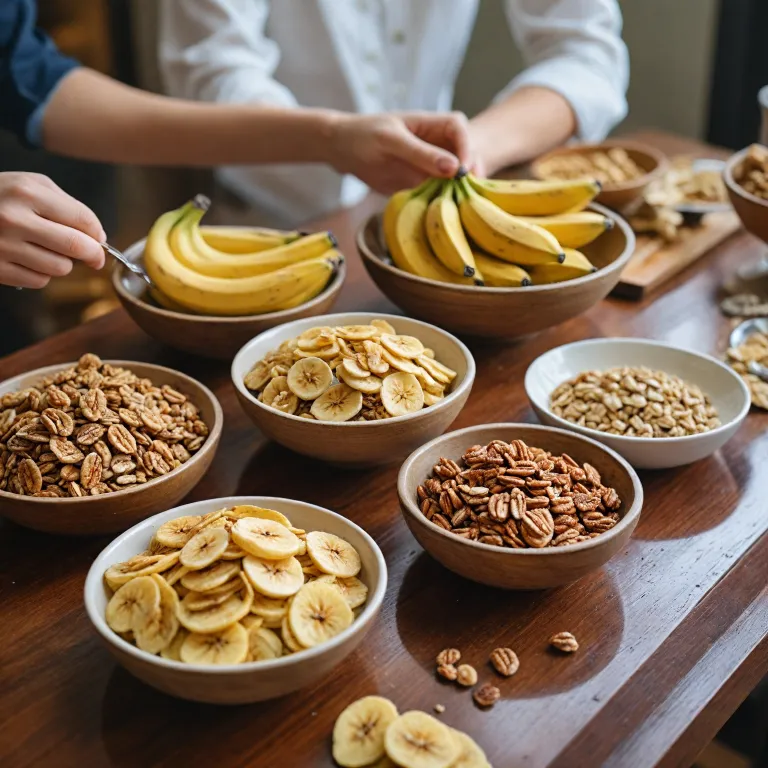
Nutritional profile of dried bananas: A concentrated fruit for F&B menus
Dried bananas have become a staple in hospitality food and beverage offerings, valued for their intense banana flavor and extended shelf life. The drying process removes most of the water, concentrating the nutrients and sugars, which makes dried bananas a potent source of energy. For directeurs F&B and chefs exécutifs, understanding the nutritional impact of dried bananas is essential when designing menus that balance taste, health, and operational efficiency.A 100g serving of dried bananas delivers approximately 346 calories, with a significant 58g of sugar and 7.2g of dietary fiber. This makes dried bananas a calorie-dense snack, suitable for energy-boosting options in breakfast buffets or as part of plant based snack assortments. The potassium content is particularly notable, at 1,491mg per 100g, supporting heart health and muscle function. However, the high sugar levels and calorie count require careful portion control, especially for guests seeking weight loss or managing blood sugar. Dried banana chips and dehydrated bananas can be incorporated into healthy diet plans, but their fat and sugar content must be transparently communicated to guests. For F&B suppliers and investors, the growing demand for healthy, plant based snacks positions dried bananas as a versatile ingredient for innovative menu development.
Comparing dried bananas, banana chips, and fresh bananas in hospitality settings
Bananas, in their various forms, offer unique advantages and challenges for hospitality operators. Fresh bananas are naturally hydrating, with high water content and lower calories per serving compared to their dried counterparts. Dried bananas and banana chips, on the other hand, are more shelf stable and convenient for bulk purchasing, especially with options like free shipping from major suppliers.Banana chips, often fried and sometimes sweetened, can contain higher levels of saturated fat and added sugar, making them less suitable for healthy diet menus. Dehydrated bananas, produced through freeze drying or traditional drying processes, retain more nutrients and are lower in fat than fried banana chips. For directeurs F&B and chefs, the choice between fresh bananas, dried bananas, and banana chips should be guided by menu goals, guest preferences, and operational logistics. Incorporating a variety of banana products can cater to diverse dietary needs, from energy-rich snacks for active guests to plant based desserts. For more on optimizing healthy snack offerings, see this comprehensive guide to healthy snack trends: https://www.fnb-for-travel.com/blog/elevating-menus-with-lean-cuts-of-pork-strategies-for-modern-hospitality-fb-leaders.
Health implications of dried bananas: Balancing energy, sugar, and fiber
The concentrated nature of dried bananas means they provide a quick source of energy, making them ideal for guests seeking a nutritious boost. However, the high sugar content—58g per 100g—can impact blood sugar levels, particularly for guests with diabetes or those monitoring their sugar intake. The fiber content, at 7.2g per 100g, helps moderate the absorption of sugar and supports digestive health.Dried bananas are a plant based option that fits well into healthy diet plans when consumed in moderation. They are free from saturated fat, making them a better choice than many processed snacks. For F&B operators, clear labeling of banana calories, sugar, and fat content is essential to support informed guest choices. The drying process, whether traditional or freeze drying, affects the texture and nutrient retention of dried bananas. For a detailed analysis of freeze dried fruit applications in hospitality, visit this resource: https://www.fnb-for-travel.com/blog/elevating-dessert-menus-with-banana-chimichanga-innovation-nutrition-and-operational-excellence. By offering both dried and fresh bananas, operators can cater to a range of dietary needs, from weight loss to energy replenishment.
Operational considerations: Sourcing, storage, and menu integration of dried bananas
For groupes hôteliers and independent operators, sourcing high quality dried bananas with reliable free shipping options is crucial for cost control and consistency. Dried bananas and banana chips are less perishable than fresh bananas, reducing waste and simplifying inventory management. The drying process extends shelf life, allowing for bulk purchasing and flexible menu planning.When integrating dried bananas into menus, consider their versatility in both sweet and savory applications. They can be used in breakfast bowls, desserts, or as a topping for salads and yogurts. Dehydrated bananas and freeze dried banana products offer different textures and flavors, enabling creative menu development. Suppliers should provide detailed nutritional information, including banana calories, sugar, and potassium content, to support transparency and guest trust.
Guest experience and health communication: Educating about dried banana benefits
Effective communication about the health benefits and potential drawbacks of dried bananas is key to enhancing guest satisfaction. "Yes, dried bananas are rich in potassium, providing approximately 1,491 mg per 100g serving." This high potassium content supports heart health and muscle function, making dried bananas a valuable addition to wellness-focused menus. "Yes, dried bananas contain about 7.2 grams of dietary fiber per 100g serving, aiding in digestion."However, it is important to note: "While dried bananas are nutritious, they are calorie-dense and high in natural sugars, so moderation is advised." F&B teams should highlight the differences between dried bananas, banana chips, and fresh bananas, emphasizing portion sizes and nutritional profiles. Training staff to answer guest questions about banana calories, sugar, and health benefits can build trust and reinforce the venue’s commitment to healthy dining. Integrating dried bananas into plant based and healthy diet menus can enhance the overall guest experience, provided that information about sugar levels and calorie content is readily available.
Strategic value for F&B investors and suppliers: Trends and future opportunities
The rising popularity of dried bananas and banana chips reflects broader trends in plant based eating and demand for healthy, convenient snacks. For F&B investors and suppliers, understanding the nuances of the drying process, freeze drying, and nutritional profiles is essential for product development and marketing. Dried bananas are positioned as a healthy, energy-rich snack that aligns with wellness and weight loss trends, provided their sugar and calorie content is managed.Innovations in freeze drying and packaging have improved the quality and shelf life of dried bananas, making them more appealing for hospitality operations. Suppliers offering free shipping and detailed nutritional breakdowns can differentiate themselves in a competitive market. For investors, the growth in demand for plant based, healthy diet options signals strong potential for dried banana products in both group and independent hospitality settings. By leveraging the health benefits of dried bananas—high potassium, fiber, and energy—while addressing concerns about sugar and calories, F&B stakeholders can create compelling, guest-centric offerings that support both health and business objectives.
Key statistics on dried bananas and their nutritional value
- Calories per 100g: 346 kcal
- Potassium per 100g: 1,491 mg
- Dietary fiber per 100g: 7.2 g
- Sugar per 100g: 58 g