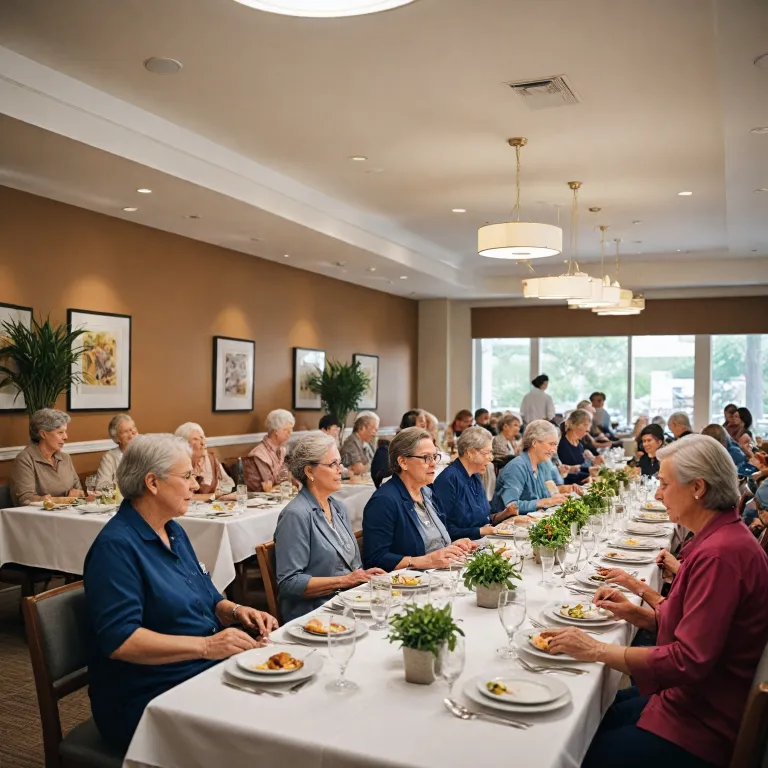
Strategic perspectives on meat for senior living portfolios
For senior living operators, meat is no longer a simple commodity line on the P&L. It has become a strategic lever that shapes resident health, perceived care quality, and long term profitability across diverse senior communities. Forward looking F&B leaders now treat senior meat choices as a core pillar of brand positioning, clinical alignment, and guest satisfaction.
Across senior living, assisted living, and memory care concepts, the relationship between meat and health is under sharper scrutiny. Older adults arrive with complex health issues, from heart disease to diabetes, and families expect menus that balance pleasure with evidence based care. This reality forces Directeurs F&B and chefs exécutifs to rethink how meats are sourced, cooked, and communicated to both seniors and every family member.
Advisory bodies now emphasise that “Seniors should aim for a balanced diet that includes approximately 1.0 g of protein per kilogram of body weight daily, incorporating both animal and plant-based sources.” This benchmark reframes how much red meat, white meat, and processed meats can realistically appear on rotating menus. It also underlines the importance of protein rich food that supports muscle maintenance without aggravating existing disease profiles.
For hotel groups and independent operators serving senior communities, the challenge is to align culinary creativity with clinical expectations. Senior meat strategies must respect dietary guidelines while still delivering emotionally resonant eating experiences. When residents eat well, feel healthy, and perceive genuine care, operators see stronger retention, better word of mouth, and more resilient revenue streams.
Balancing red meat, white meat, and processed meats in senior menus
Designing senior meat programs starts with a clear framework for red meat, white meat, and processed meats. Seniors often associate eating meat with comfort, strength, and family memories, yet excessive portions can worsen heart disease and other health issues. Operators must therefore translate nutritional science into practical cooking and menu engineering that still feels generous and welcoming.
Evidence based dietary guidelines encourage limiting processed meats that are high in sodium and saturated fat. “Seniors are advised to limit consumption of processed meats high in sodium and saturated fats, such as certain deli meats and sausages, to reduce health risks.” This does not mean eliminating such meats entirely, but repositioning them as occasional items rather than daily staples. In parallel, chefs can elevate lean red meat and white meat cuts, integrating them into balanced food offers that respect care senior expectations.
Senior living and assisted living properties increasingly combine meat with food organic vegetables, pulses, and whole grains. This approach supports a more balanced diet while keeping protein intake at the recommended 1 g per kilogram of body weight. Strategic procurement services for hospitality can help standardise specifications for healthier meats and reduce cost volatility, as detailed in specialised resources on elevating operational excellence through food and beverage procurement services.
For Directeurs F&B, the operational question is how to maintain menu appeal while moderating portions of red meat and processed meats. Rotating white meat dishes, fish, and plant based protein bowls allows seniors to eat well without feeling restricted. Clear communication with residents and every family member about why certain foods avoid daily repetition can strengthen trust in the overall care services model.
From plate method to protein distribution: operationalising senior meat science
Translating nutritional science into daily service requires more than a theoretical understanding of senior meat. The protein distribution method, promoted by leading research institutions, encourages spreading protein rich food across breakfast, lunch, and dinner. For older adults in senior living, this approach supports muscle synthesis more effectively than concentrating meats into a single large evening meal.
F&B teams can apply the plate method for seniors to visualise balanced eating at each service. One quarter of the plate might feature lean meats or alternative proteins, while the remaining space highlights vegetables, whole grains, and food organic components. This structure helps seniors eat well, supports heart health, and aligns with care senior expectations around disease prevention.
“Alternative protein sources include legumes, nuts, seeds, tofu, and low-mercury fish, which provide essential nutrients without the risks associated with excessive red meat consumption.” Integrating these options alongside meats allows chefs to respect diverse health issues and cultural preferences. It also offers flexibility for memory care units, where texture modified dishes and finger foods must still deliver adequate protein and energy.
Operationally, chefs exécutifs can standardise cooking methods that reduce added fats and sodium while preserving flavour. Slow cooking, steaming, and oven roasting meats with aromatics such as onion and garlic, as explored in analyses of how the onion and garlic family reshapes profitable F&B strategies, can elevate perceived quality. Training brigades to apply these methods consistently across senior communities ensures that seniors eat meat in a way that supports long term living well.
Segmenting senior communities: tailoring meat strategies to care models
Senior living is not a monolith, and senior meat strategies must reflect distinct care models. Independent senior communities may prioritise culinary freedom and restaurant style experiences, while assisted living and memory care units require tighter alignment with clinical protocols. For Directeurs F&B overseeing mixed portfolios, segmenting menus by care level is essential to protect both health and brand equity.
In independent senior living, residents often manage their own health issues with support from external care services. Here, menus can feature a wider range of meats, including occasional indulgent red meat dishes, provided that balanced diet options are always available. Clear menu labelling, chef led education sessions, and printed tips seniors on eating meat responsibly can empower residents to make informed choices.
Assisted living and memory care environments demand more prescriptive approaches to meat and food. Many older adults in these settings live with heart disease, diabetes, or cognitive decline, and families expect rigorous adherence to dietary guidelines. Standard operating procedures should define portion sizes for meats, frequency of processed meats, and specific foods avoid for residents with advanced health issues.
For investors and hotel groups, aligning senior meat strategies with each care model can differentiate brands in a crowded market. Properties that demonstrate thoughtful care senior practices around eating meat often see stronger satisfaction scores from both seniors and every family member. This perception of high quality care can translate into longer length of stay, higher occupancy, and more resilient revenue across senior communities.
Communicating meat, health, and care to seniors and families
Even the most sophisticated senior meat strategy fails without clear communication to residents, staff, and families. Seniors want to eat well and enjoy familiar meats, yet they also worry about health issues such as heart disease and digestive discomfort. Transparent dialogue about how menus balance pleasure and protection can transform potential conflict into shared decision making.
Family dynamics play a central role in senior living and assisted living environments. A concerned family member may question why processed meats appear on a menu, or why certain foods avoid daily service for residents with specific disease risks. F&B leaders should equip teams with simple explanations that reference recognised dietary guidelines and the rationale for moderating red meat while promoting lean meats and plant proteins.
Educational brochures, workshops, and online resources can support this communication effort across senior communities. Facilities can share practical tips seniors on eating meat safely, such as choosing white meat more often, trimming visible fat, and preferring gentle cooking methods. When residents understand that these practices support living well and maintaining independence, they are more likely to embrace menu changes.
Operators must also respect data protection and privacy policy obligations when handling nutrition related information. Any personalised notes about health issues, food preferences, or care senior plans should be stored securely and shared only with relevant care services. This disciplined approach reinforces trust, signalling that the organisation treats both health and personal data with equal seriousness.
Designing profitable, health aligned meat programs for the next decade
For hospitality groups and independent operators, senior meat strategy is now a core business competency. Properties that align meat, health, and care can position themselves as premium destinations for older adults and their families. Those that ignore evolving dietary guidelines risk reputational damage, higher healthcare incidents, and weaker financial performance.
Menu engineering should quantify the contribution of meats, alternative proteins, and food organic components to both cost and perceived value. By shifting some volume from red meat and processed meats toward white meat, fish, and plant proteins, operators can often stabilise margins while supporting heart health. This rebalancing also reduces exposure to volatility in specific meat categories and aligns with growing expectations around sustainable eating.
“Consult with a registered dietitian for personalized advice.” This simple directive should be embedded into every senior living F&B strategy, ensuring that menus reflect current science and individual health issues. Collaboration between chefs, dietitians, and care services teams allows properties to tailor eating meat patterns to residents in memory care, assisted living, and independent senior living units.
Finally, operators should regularly review copy on menus, resident handbooks, and digital channels to ensure that messaging about meat and health remains accurate. Clear, human centric language about eating, living, and care senior priorities reassures seniors and every family member that the property is acting in their best interests. When residents feel respected, eat well, and perceive that their protein needs are met safely, senior communities can thrive both clinically and commercially.
Key statistics on protein and meat consumption for seniors
- Recommended daily protein intake for seniors is approximately 1 g per kilogram of body weight, supporting muscle maintenance and overall health.
- An estimated 60 % of seniors currently meet recommended protein intake levels, leaving a significant proportion at risk of underconsumption.
Frequently asked questions about meat and senior living operations
How much meat should seniors consume daily in hospitality settings ?
Seniors should be offered menus that help them reach around 1 g of protein per kilogram of body weight each day, combining meats with plant based proteins. In practice, this means moderate portions of lean red meat or white meat at one or two meals, complemented by legumes, dairy, or fish. F&B teams should adapt portions to individual health issues and appetite levels.
Are there specific types of meat seniors should avoid in senior living ?
Seniors are advised to limit processed meats high in sodium and saturated fats, such as certain deli meats and sausages, to reduce health risks. In senior living and assisted living, these items should appear occasionally rather than daily, and in smaller portions. Chefs can prioritise lean cuts and gentler cooking methods to support heart health.
What alternative protein sources work well alongside meat for older adults ?
Legumes, nuts, seeds, tofu, and low mercury fish are valuable complements to meats in senior menus. These foods provide high quality protein, fibre, and micronutrients that support a balanced diet and reduce reliance on red meat. Integrating them into soups, salads, and main dishes can enhance variety without compromising satisfaction.
How can F&B teams support seniors who struggle with eating meat ?
Some older adults experience chewing, swallowing, or digestive difficulties that make eating meat challenging. In these cases, chefs can offer minced or slow cooked meats, soft fish, and protein enriched purees that are easier to manage. Collaboration with dietitians and speech therapists ensures that texture modifications still meet protein and energy needs.
What role do families play in shaping meat choices in senior communities ?
Families often influence expectations around meat, health, and care in senior living environments. Transparent communication about menu design, dietary guidelines, and specific foods avoid for certain conditions can build trust. Inviting family members to tastings or information sessions helps align preferences with clinical priorities and operational realities.