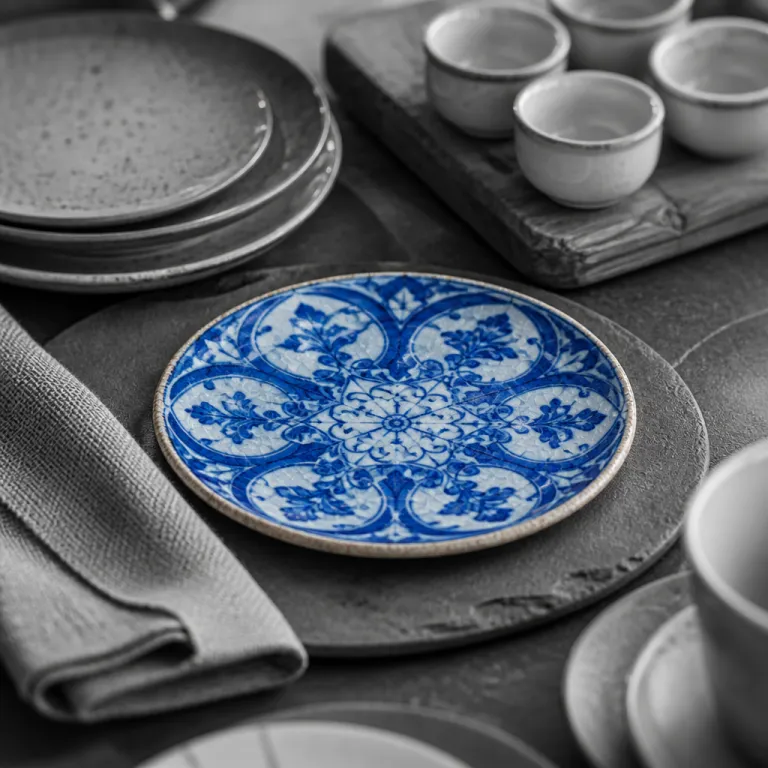
Portuguese crockery as a strategic asset in hotel F&B positioning
Portuguese crockery is no longer a simple décor choice for hotel restaurants. For F&B directors and executive chefs, it has become a strategic lever that shapes guest perception, supports menu engineering, and anchors a property in an authentic sense of place. When a guest touches a hand painted Portuguese ceramic dinner plate or coffee cup, the perceived value of the entire tableware experience rises immediately.
In Portugal, ceramics and pottery have evolved over centuries, absorbing Moorish influences, Chinese porcelain aesthetics, and the azulejo ceramic tradition that still defines many façades. This heritage gives Portuguese ceramics a narrative depth that global hotel groups can translate into premium dinnerware concepts, from coastal brasseries using blue white plates to fine dining rooms showcasing refined porcelain from Vista Alegre or contemporary lines from Costa Nova. Such curated Portuguese tableware sets allow operators to justify a higher average check per cover while reinforcing brand storytelling around locality and craftsmanship.
For investors in foodservice and independent operators, the choice of Portuguese pottery suppliers is now part of the broader F&B ecosystem strategy. A coherent set of plates, bowls, and coffee cups, aligned with menu style and beverage program, can reduce replacement rates, stabilize the cost per item over time, and support upselling of tasting menus or wine pairings. When these ceramics are sold as retail items in the lobby boutique or online, the same design and dinnerware range can generate incremental revenue, turning each plate and bowl into both an operational tool and a branded asset.
Mapping the portuguese ceramics ecosystem for hotel procurement teams
The Portuguese ceramics ecosystem is dense, but a few hubs matter especially for hospitality buyers. Coimbra artisans still produce traditional “ratinha” crockery, where simple decorations with quick brushstrokes form geometric or natural patterns, and these bowls and plates work beautifully for rustic breakfast buffets or tapas style sharing concepts. In Caldas da Rainha, Bordallo Pinheiro remains the reference for vegetable inspired Portuguese pottery, ideal for playful buffet displays and immersive garden themed restaurants.
Vista Alegre, based near Ílhavo, offers luxury porcelain and crystal that suit palace hotels, Michelin level dining rooms, and high end banqueting where a higher purchase price per unit is justified by durability and prestige. Contemporary brands such as Costa Nova bridge design and practicality, providing stackable dinner plate formats, robust bowls, and full tableware sets that withstand intensive hotel use while keeping the cost per piece and selling price within midscale budgets. Across Portugal, these actors collaborate with design studios and local artisans, blending traditional hand painted motifs with modern forms that align with global F&B concepts from Asian fusion to plant forward cuisine.
For hotel groups, understanding this ecosystem is as critical as mastering F&B technology investments or revenue management tools. When procurement teams benchmark suppliers, they should evaluate not only unit cost in USD but also firing methods, glaze resistance, and the ability to customize blue or green palettes that match brand guidelines. Insights from hospitality technology events can be combined with supplier data and trade association reports to build a resilient sourcing strategy where Portuguese crockery supports both operational efficiency and guest centric design.
From unit price to lifetime value : building a crockery business case
When negotiating Portuguese crockery contracts, many hotel F&B teams still focus mainly on the initial price per plate or bowl. This narrow view underestimates the lifetime value of durable ceramics and the revenue potential of a coherent dinnerware and tableware strategy. A more advanced approach compares purchase price, resale price, and promotional pricing scenarios against breakage rates, banquet volumes, and retail opportunities.
Start by mapping the full set requirements for each outlet : breakfast, all day dining, bar snacks, in room dining, and banqueting. For every item, calculate the cost per unit in USD, then project replacement needs over three to five years based on historical data and regular supplier reviews from comparable properties. Portuguese ceramics fired at higher temperatures, such as many Vista Alegre or Costa Nova lines, often show lower breakage and chipping, which means that a higher upfront investment can still deliver a better total cost of ownership than cheaper imports. Internal benchmarks from hotel asset managers and procurement consultancies frequently show that a 10–15% higher purchase price can reduce replacement costs by 20–30% over the contract term.
Next, integrate retail potential into the business case, especially for resorts and urban lifestyle hotels. If a signature blue white painted Portuguese bowl or coffee cup can be sold in the boutique at a premium retail price, part of the initial investment in Portuguese ceramic sets is effectively subsidized by guests. In this scenario, the F&B team should track both operational KPIs and retail margins, aligning crockery procurement with broader financial strategies where granular cost tracking and asset optimization are central. Pestana Hotel Group, for example, has reported in internal presentations that branded Portuguese tableware and related design objects can represent 3–5% of total on property retail revenue in flagship coastal properties, offsetting annual replacement costs for several outlets.
Design, color, and sensory psychology in portuguese tableware
Color and form in Portuguese crockery directly influence how guests perceive food quality and portion size. Blue and blue white palettes, rooted in both Chinese porcelain imports and azulejo ceramic traditions, tend to enhance seafood dishes, fresh cheeses, and citrus based desserts. Green glazes, often seen in Bordallo Pinheiro cabbage leaf plates and bowls, reinforce plant based menus and garden to table narratives.
For executive chefs, the choice between minimalist white dinner plates from Vista Alegre and more expressive painted Portuguese pottery from Coimbra artisans is not only aesthetic. White plates emphasize plating precision and sauce work, while patterned ceramics can soften the visual impact of rustic dishes, stews, or shared bowls, making them feel generous and convivial. Mixing blue, green, and neutral tones across a set allows operators to segment experiences : refined tasting menus on sleek ceramics, family style brunches on textured pottery, and bar snacks on small plates with bolder design.
Texture also matters, especially under intense service conditions. Slightly irregular hand painted Portuguese ceramic surfaces catch light differently, adding depth to photography and social media content, which in turn supports marketing and price positioning. As one Lisbon based executive chef explained during a pre opening briefing, “Guests photograph the plate before the food. If the Portuguese ceramics look distinctive, they already expect a premium experience.” Smooth, high gloss ceramics are easier to clean and stack, reducing back of house labor and breakage, so F&B directors should balance sensory impact with operational constraints when specifying plates, bowls, and coffee cups for each outlet.
Operational performance, sustainability, and supplier partnerships in Portugal
Portuguese ceramics manufacturers have invested heavily in modern kilns and quality control, which benefits hotel operators seeking both sustainability and consistency. Traditional firing techniques are now combined with energy efficient equipment, allowing suppliers to offer competitive unit costs without compromising on glaze stability or color accuracy. For hotel groups with ESG commitments, partnering with Portuguese pottery producers that use local clay and recycle water can support sustainability reporting while enhancing the authenticity of the guest experience.
Coimbra artisans, Bordallo Pinheiro, and Vista Alegre each represent different segments of this ecosystem, from small batch craft to industrial scale porcelain. Large hotels may rely on Costa Nova for core dinnerware sets, then layer in hand painted pieces from Coimbra or azulejo ceramic inspired plates for signature dishes and amenity trays. In all cases, long term contracts that stabilize base pricing and define clear conditions for price adjustments help both sides plan investments in molds, glazes, and stock levels.
For foodservice investors and independent operators, the key is to treat Portuguese crockery suppliers as strategic partners rather than transactional vendors. Joint menu and design workshops, factory visits in Portugal, and collaborative product development sessions can yield exclusive blue white or green collections that reinforce brand identity. When these ceramics are sold in limited editions to guests, the partnership extends beyond the table, turning each plate, bowl, or coffee cup into a tangible memory that supports loyalty and repeat visits. As one procurement manager for a Mediterranean resort portfolio noted in a post project review, “Our Portuguese tableware program paid back in under two years once we combined operational savings with retail sales and guest satisfaction gains.”
Curating portuguese crockery collections for multi outlet hotel operations
Multi outlet hotels must orchestrate crockery choices across very different concepts without fragmenting procurement. A coherent Portuguese crockery strategy starts with a core set of plates, bowls, and coffee cups that can move between breakfast, banqueting, and room service. Around this backbone, F&B teams can add accent pieces in blue, green, or blue white patterns to differentiate premium experiences and seasonal menus.
For example, a resort might use a robust Costa Nova dinner plate as the standard item across outlets, then introduce Bordallo Pinheiro vegetable inspired plates for the poolside restaurant and hand painted Coimbra bowls for the chef’s table. In urban luxury hotels, Vista Alegre porcelain can anchor fine dining, while more rustic Portuguese pottery supports a casual wine bar focused on petiscos and regional charcuterie. By mapping each outlet’s menu, average check, and breakage profile, F&B leaders can align base price, cost per unit, and expected USD retail value for any shop component with the operational realities of each venue.
Regular reviews from peer properties show that mixed collections, when carefully curated, reduce overall replacement costs because the most fragile ceramics are reserved for controlled environments. At the same time, guests perceive a richer narrative when they encounter different Portuguese ceramics across their stay, from the breakfast coffee cup to the dinner plate at the signature restaurant. Questions such as “What is ‘ratinha’ crockery?”, “Who was Bordallo Pinheiro?”, and “What is Vista Alegre known for?” become natural talking points for staff, turning every plate and bowl into a conversation starter that deepens engagement and supports premium pricing.
Key figures on portuguese ceramics and hospitality
- Coimbra ceramics have a documented history of around 500 years, according to the Coimbra Tourism Website, giving hotel brands a heritage narrative that predates many of today’s global chains.
- Bordallo Pinheiro was established in 1884, as reported by Portugal Interiors, which means its vegetable inspired designs have accompanied more than a century of European dining culture and remain instantly recognizable to design conscious guests.
- Vista Alegre was founded in 1824, according to 2Modern, and its two century legacy in porcelain and crystal production positions the brand as a reliable partner for large scale banqueting and luxury hotel projects.
FAQ about portuguese crockery for hotel and restaurant professionals
How should hotel F&B teams choose between porcelain and stoneware portuguese ceramics ?
Porcelain from manufacturers such as Vista Alegre offers high density, low porosity, and a refined look that suits fine dining and banqueting, while stoneware and earthenware from Coimbra artisans or Costa Nova provide a warmer, more tactile feel ideal for casual concepts and buffet presentations. The decision should balance menu style, expected breakage, and the ability to maintain a consistent cost per unit across replacement cycles. Many hotels combine both, using porcelain for premium experiences and more rustic pottery for everyday service.
What is “ratinha” crockery and where does it fit in hospitality concepts ?
“Ratinha” refers to a traditional Coimbra style where simple decorations with quick brushstrokes form geometric or natural patterns on plates and bowls. This type of hand painted Portuguese pottery works particularly well in bistros, tapas bars, and breakfast rooms that emphasize informality and comfort. Its visual rhythm also photographs well, supporting social media storytelling around local craft and authentic Portuguese crockery.
How can hotels evaluate the real cost of portuguese crockery beyond the regular price ?
Operators should calculate total cost of ownership by combining cost per unit, expected lifespan, breakage rates, and any revenue from retail sales of plates, bowls, or coffee cups. Comparing purchase price and resale price scenarios over several years often shows that higher quality Portuguese ceramics reduce replacement costs and support higher menu pricing. Including these data points in F&B financial dashboards helps align procurement decisions with long term profitability.
Which portuguese brands are most relevant for upscale hotel projects ?
Vista Alegre is widely used in luxury hotels for its porcelain dinnerware and crystal, while Bordallo Pinheiro provides distinctive statement pieces for buffets and themed restaurants. Costa Nova offers durable, design forward collections that bridge casual and upscale outlets, and Coimbra artisans supply unique hand painted items that add character to chef’s tables or amenity presentations. Combining these suppliers allows hotel groups to create layered experiences while maintaining a coherent Portuguese crockery narrative.
Can portuguese crockery support a hotel’s sustainability and ESG commitments ?
Many Portuguese ceramics producers use local clay, invest in efficient kilns, and implement water recycling, which reduces the environmental footprint compared with long distance imports. Durable dinner plates and bowls also mean fewer replacements, lowering waste and transport emissions over time. Hotels can highlight these practices in sustainability reports and guest communications, reinforcing both environmental responsibility and support for regional craftsmanship in Portugal.