Nut free sign strategy as a pillar of guest safety
For hotel groups and independent operators, a nut free sign is no longer a marginal detail in the food safety plan. It has become a visible commitment to every guest managing a nut allergy, and to parents who trust your brand with their children. When a guest sees a clear free sign at a buffet or lunch table, it instantly frames your F&B culture as disciplined and caring.
In practice, the most effective nut free sign strategy treats signage as part of a broader food allergy protocol rather than isolated items. A single poster at the restaurant entrance is not enough when peanuts, tree nut fragments, and processed nuts food can move between preparation areas and the dining room. Directors F&B should map every zone where a sign, table sign, or allergy alert could prevent cross contact during a busy service.
Many operators still rely on improvised stickers or handwritten free labels, which can confuse staff and guests. Standardized free stickers, a consistent nut free zone poster, and durable table sign formats make it easier to train teams and audit compliance during peak day parts. When each product and each of your allergy free items is labeled in the same visual language, the risk of misinterpretation drops sharply.
Nut free policies also intersect with procurement and menu engineering. Every packaged product containing peanut, peanuts, or other nuts must be flagged in your purchasing system, then translated into clear food allergy communication on menus and buffet cards. A robust nut free sign program therefore becomes a bridge between back of house controls and front of house reassurance, aligning chefs exécutifs, service teams, and investors around measurable risk reduction.
From kitchen to guest: zoning, labeling, and operational design
Designing a reliable nut free zone starts long before the first guest orders food. It begins with a kitchen layout that separates allergy nuts ingredients, tree nut storage, and peanuts handling from allergy free preparation benches. Once this physical zoning is defined, a nut free sign and a matching zone poster should mark every relevant door, shelf, and table to guide staff movements.
In mixed production environments, Directors F&B must assume that any nuts food can migrate through utensils, cloths, and shared equipment. Clear free labels on gastronorms, sealed containers, and delivery crates help teams distinguish safe products from those containing peanut or other nuts during hectic mise en place. When a new product arrives from a supplier, the receiving clerk should immediately apply free stickers and a visible allergy alert if the label mentions nut allergy risks.
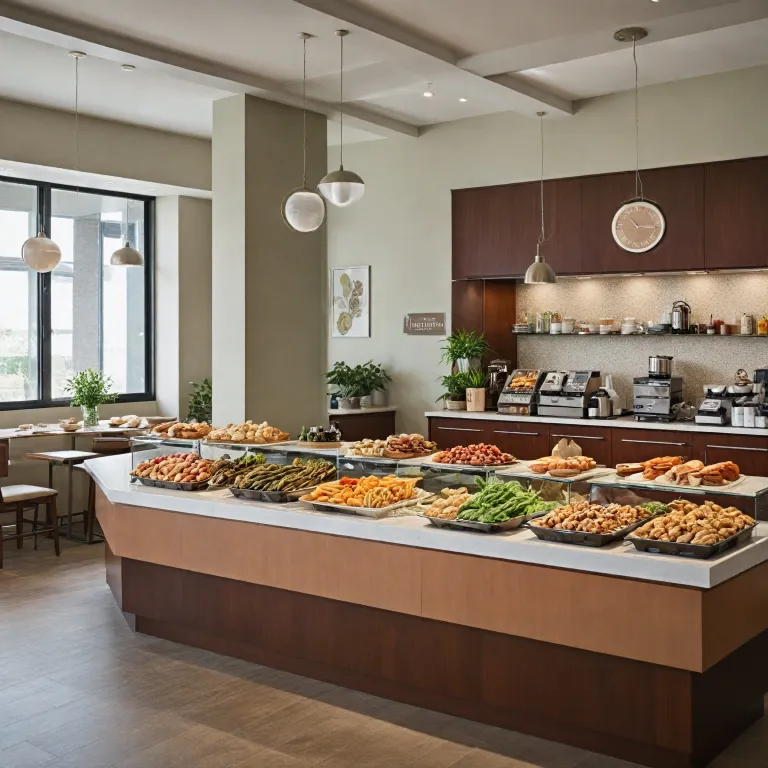
Buffet concepts, especially breakfast and brunch, require particular discipline. A dedicated free zone with a prominent free sign, a table sign at each station, and a wall mounted poster behind the counter reassures guests who live with food allergy constraints. Linking this to your beverage strategy, for example when you promote fresh milk in the glass, allows you to highlight dairy options that are also nut free products.
Room service and banqueting operations must mirror the same rigor. Trays carrying allergy free items should feature a small nut free sign or table sign, while banqueting buffets can use hanging posters and floor decals to delineate each free zone. Over time, this layered approach turns signage from static items into a dynamic navigation system that steers both staff and guests away from allergy nuts exposure.
Communicating with guests: signage, digital channels, and staff scripts
For hospitality brands, a nut free sign is only effective when guests actually see, understand, and trust it. That requires a coherent communication chain that starts online, continues at check in, and culminates at the table or buffet. When guests book a free lunch package or a family stay, pre arrival emails should mention your nut allergy policy and explain how to identify each free zone on property.
On site, the combination of a lobby poster, elevator stickers, and in room information cards reinforces the message. Many operators now add QR codes to each nut free sign, linking to a digital food allergy guide that lists all peanut free and nut free products available in the hotel. This approach is particularly valuable for school groups, where teachers must manage multiple allergy nuts profiles during a single day visit.
Restaurants and bars should integrate the same visual language into menus and table sign formats. Icons that match the main nut free sign, supported by concise allergy alert wording, help guests scan options quickly without lengthy conversations. When a guest asks about peanuts or tree nut traces, staff can point to the relevant sign nuts indicators while still engaging in a human, reassuring dialogue.
Communication also extends to concept storytelling and brand positioning. Articles on your corporate blog about rethinking allergen safe buffets or innovating chocolate milk formats can highlight how your allergy free strategy supports both indulgence and safety. By aligning signage, digital content, and staff scripts, hotel groups transform the nut free sign from a compliance symbol into a core element of guest centric hospitality.
Procurement, suppliers, and the economics of nut free programs
Behind every nut free sign in the dining room lies a series of procurement decisions that shape risk, cost, and guest trust. Directors F&B and investors must evaluate whether to run fully peanut free kitchens, partially segregated nut free zones, or flexible concepts that adapt by day part and season. Each model influences supplier selection, storage design, and the number of products that can safely carry allergy free labels.
Working closely with fournisseurs F&B, operators should prioritize transparent specifications for any product that may contain peanuts, tree nut fragments, or processed nuts food. Contracts can require clear food allergy statements, batch traceability, and standardized carton stickers that mirror the hotel’s own free stickers and free labels. When deliveries arrive, receiving teams can then apply a secondary nut free sign or allergy alert tag to crates destined for protected zones.
There is also a commercial dimension to consider. Families, school groups, and corporate clients increasingly ask for peanut free menus and clearly marked free zone buffets during negotiations. Hotels that can present a documented nut allergy protocol, supported by photos of their poster system and table sign formats, often gain an edge in competitive bids and long term agreements.
Strategically, the cost of signage, training, and segregated storage must be weighed against the potential impact of an incident. Industry conferences on restaurant finance and development, such as those exploring how F&B strategy is reshaped for hospitality leaders, increasingly highlight food allergy risk as a material factor in valuation. In this context, a robust nut free sign ecosystem is not just a safety measure ; it is a visible asset that protects brand equity and long term revenue.
High risk contexts: schools, kids’ clubs, airlines, and events
Certain hospitality environments face heightened responsibility when managing nut allergy risks, and their nut free sign systems must reflect that reality. School catering contracts, kids’ clubs in resorts, and airline lounges all serve guests who may be particularly vulnerable to allergy nuts exposure. In these contexts, a clear peanut free and nut free zone poster at every entrance is essential, supported by consistent stickers and table sign formats at each service point.
In school settings, for example, the lunch table layout can either mitigate or amplify risk. Designating a specific free zone with a bold free sign, reinforced by smaller sign nuts markers on trays and table sign cards, helps staff monitor which children should only receive allergy free items. Parents are more likely to approve excursions and overnight stays when they see that the operator uses professional posters and free stickers rather than improvised notes.
Kids’ clubs and family restaurants must also consider special occasions such as valentine day, when nuts food and chocolate products containing peanuts or tree nut fragments are common. A temporary nut free sign at buffet entrances, combined with an allergy alert on themed menus, can prevent accidental exposure during these high emotion celebrations. Airlines and rail operators face similar challenges when serving packaged products in confined cabins where a single peanut or a handful of peanuts can affect multiple passengers.
Across these high risk contexts, the operational principle remains the same. Every product, from snacks to plated food, must be checked for nut content, labeled with appropriate free labels, and served only within the designated free zone. Consistent use of posters, stickers, and table sign formats turns complex allergy management into a repeatable routine that protects both guests and frontline teams.
Tools, partners, and implementation roadmap for hospitality leaders
Implementing a coherent nut free sign program across a hotel group or portfolio requires the right tools and partners. Specialized providers such as AllergyCard.org, Zazzle, and Walmart offer standardized and customizable signage that can be adapted to different properties and concepts. As one expert guidance states, “Nut-Free signs can be downloaded for free from websites like AllergyCard.org or purchased from retailers such as Zazzle and Walmart.”
Digital templates allow brands to align the visual identity of every poster, free sign, and table sign with corporate design guidelines. Operations teams can then print free stickers and free labels on site for new products, seasonal menus, or temporary free zone setups during events. Some operators also source durable metal sign nuts plates for permanent allergy free areas in production kitchens and staff restaurants.
An effective roadmap starts with a property audit that maps all food flows, from delivery to plate. This includes checking how products containing peanut, peanuts, or other nuts are received, stored, and moved, and where a nut free sign or allergy alert could interrupt risky patterns. Training modules should then teach staff how to interpret each poster, recognize allergy nuts indicators, and communicate confidently with guests about food allergy concerns.
Partnerships with educational institutions and healthcare organizations can further strengthen credibility. External experts can validate your nut allergy protocols, review the placement of each zone poster, and advise on communication for school groups or high risk guests. Over time, consistent use of professional signage, supported by data on incident reduction and guest satisfaction, positions your brand as a benchmark for allergy free hospitality in a competitive market.
Key statistics on nut allergies and guest safety
- Prevalence of peanut allergies in children : 2.5 %.
- Increase in food allergies among children between 1997 and 2011 : 50 %.
Frequently asked questions about nut free sign programs in hospitality
What is the purpose of a nut free sign in hotels and restaurants ?
A nut free sign indicates that nuts are prohibited in the area to protect individuals with allergies. In hospitality venues, it guides both guests and staff toward safer choices, especially in buffets, kids’ clubs, and banqueting spaces. It also supports compliance with internal food safety standards and external expectations from corporate and school clients.
Where can operators obtain professional nut free signs and posters ?
Nut free signs can be downloaded for free from websites like AllergyCard.org or purchased from retailers such as Zazzle and Walmart. Many hotel groups use these platforms to source base templates, then customize them with brand colors and multilingual text. Combining printed posters, durable plates, and on site free stickers ensures consistent visibility across all service areas.
Are nut free signs legally required in hospitality venues ?
While not always legally mandated, Nut-Free signs are recommended in areas where individuals with nut allergies are present to ensure their safety. Regulations vary by country and segment, but risk management best practice increasingly treats clear signage as essential. Insurers and corporate clients may also expect documented nut allergy protocols, including visible signage.
How should F&B teams train staff to use nut free sign systems effectively ?
Training should explain the meaning of each poster, table sign, and sticker, and link them to concrete actions in the kitchen and dining room. Role play exercises can help staff respond to food allergy questions, identify peanut free and nut free products, and escalate complex cases to managers. Regular refreshers, combined with audits of sign placement and condition, keep the system reliable over time.
Can nut free zones coexist with menus that still use nuts elsewhere on property ?
Yes, many hotels operate mixed environments where some outlets or zones remain fully nut free while others use nuts under strict controls. The key is to separate production flows, label all products clearly, and use a consistent nut free sign and zone poster system to prevent cross contact. Transparent communication with guests about where nuts are present and where allergy free items are guaranteed is essential for trust.