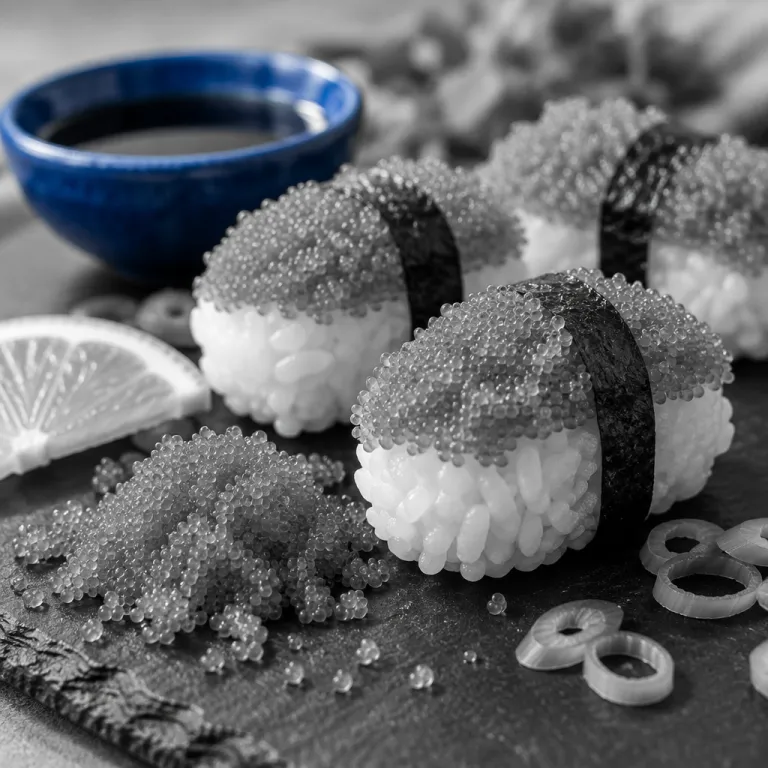
Positioning masago nigiri within a profitable hotel sushi strategy
Masago nigiri sits at the crossroads of guest indulgence and cost control in modern hotel sushi restaurants. For Directeurs F&B and chefs exécutifs, this style of nigiri sushi built on seasoned sushi rice and capped with bright masago roe offers a rare opportunity to elevate perceived value while protecting margin. When you frame masago nigiri as part of a curated Japanese-inspired sequence rather than a commodity sushi item, you gain pricing power, menu storytelling leverage, and a clear point of difference from generic rolls.
Across upscale sushi concepts in urban hotels, the best sushi assortments increasingly rely on small-format items with intense flavor and a playful texture that invite repetition. Masago sushi, with its tiny eggs from capelin fish, delivers a salty sweet profile and a distinctive popping mouthfeel that guests remember long after the meal. This makes masago nigiri and related sushi masago preparations ideal candidates for signature positioning in tasting menus, lobby bars, and in-room dining rolls where guests are willing to order multiple bites.
From a menu engineering perspective, masago nigiri should never appear as a generic line item lost between a California roll and a salmon nigiri. Instead, build a micro section that groups masago sushi, masago nigiri, and an avocado roll finished with masago roe as a trio of perfect sushi bites. This structure nudges guests to order several rolls and nigiri pieces, increasing average check while keeping the cost of ingredients and sushi rice under tight control and reinforcing the perception of a focused, high-quality Japanese offer.
Costing, contribution margin and the economics of masago roe
For hotel groups and investisseurs restauration, the real power of masago nigiri lies in its contribution margin rather than its food cost percentage. Masago roe sourced from capelin fish is typically more affordable per kilogram than premium sashimi signature cuts of tuna or salmon, yet it carries a similar perceived luxury when presented as glistening tiny eggs on perfectly formed nigiri sushi. This gap between guest perception and actual cost allows Directeurs F&B to design some of their best margin items around masago sushi and sushi masago garnishes.
When you benchmark masago nigiri against salmon nigiri or a California roll, you often find that the rice-to-fish ratio and the lower cost of roe create a superior gross profit per piece. For example, in internal hotel menu studies, a 12 g portion of masago roe priced at €0.18–€0.22 per piece can support a selling price of €3.50–€4.00, while a comparable salmon nigiri portion may cost €0.35–€0.45 in fish alone for a similar menu price. These figures are consistent with ranges reported in National Restaurant Association profitability summaries and Euromonitor International hotel foodservice benchmarks. That is why focusing on contribution margin is more effective than obsessing over food cost percentage, a point explored in depth in this analysis of contribution margin as the primary menu metric. By modelling different sushi and rolls combinations, you can steer guests toward masago nigiri flights that lift overall profitability without compromising the feeling of generous, fresh portions.
Operationally, masago roe also supports efficient mise en place because the same batch of fresh roe can finish nigiri, rolls, and even non-sushi canapés during a busy service. This reduces waste and simplifies prep for the kitchen équipe, especially when managing online delivery orders alongside restaurant traffic. A carefully engineered matrix that cross-utilises masago nigiri, masago sushi, and masago-topped avocado roll items will stabilise margins even when fish prices spike unexpectedly, as shown in benchmarking work by large hospitality consultancies between 2021 and 2023 and in JETRO export case notes on roe utilisation.
Designing a signature masago nigiri experience across channels
Turning masago nigiri into a signature requires more than adding a line on the menu. Chefs exécutifs need to choreograph flavor, texture, and presentation so that this nigiri sushi feels like a deliberate highlight rather than a filler between sashimi signature plates. The contrast between the warm sushi rice and the chilled, crunchy texture of masago roe should be calibrated with the same care you give to a hero dish in a fine dining outlet, including attention to rice seasoning, roe thickness, and garnish.
In multi-outlet hotels, align the narrative so that guests encounter consistent masago sushi cues in the lobby bar, the all-day restaurant, and the premium sushi restaurants. A bar snack might feature an avocado roll crowned with sushi masago, while the main Japanese section offers a masago nigiri flight paired with sake or low-alcohol cocktails. For banqueting, a composed platter that mixes salmon nigiri, masago nigiri, and a California roll variation can become the sashimi signature alternative for clients who want sushi without raw fish dominance and still expect visually striking tiny eggs on the platter.
Room service and delivery channels demand a slightly different approach because texture and temperature shift during transport. To protect the delicate flavor and the salty sweet balance of masago roe, pack masago nigiri in snug trays that limit movement of the roe and keep the sushi rice from drying. When guests order sushi online through your branded platform, highlight a curated box that combines perfect sushi pairings of masago nigiri, nigiri sushi with white fish, and compact rolls designed specifically for travel, as illustrated by high-margin signature case studies such as turning a single item into a high margin signature.
Engineering the digital path to purchase for masago based sushi
For groupes hôteliers and exploitants indépendants, the digital journey around sushi is now as critical as the plate itself. Guests browse menus online, compare sushi restaurants, and expect frictionless ordering that lets them add cart items in seconds from their phone. If masago nigiri is buried in a PDF or hidden behind a skip content style button, you lose both visibility and incremental revenue at the exact moment when the guest is ready to order.
Design your online ordering interface so that masago nigiri, masago sushi, and sushi masago garnished rolls appear in a dedicated section labelled chef recommendations or perfect sushi pairings. Each item should show a concise description that highlights the tiny eggs of capelin fish, the contrast of crunchy texture against soft rice, and the fresh, salty sweet flavor profile. Make sure the same logic applies whether the guest orders a single roll, a mixed tray of rolls and nigiri, or a premium box that combines nigiri sushi, salmon nigiri, and a California roll topped with masago roe so that the best sushi options are always easy to find.
Operational details matter in this digital ecosystem, so keep contact channels clear and consistent. Prominently display the restaurant email and phone for special sushi rice requests, allergy questions about fish or roe, and group order coordination for corporate clients. When a guest chooses to add cart a masago nigiri set, offer smart upsells such as an avocado roll with masago roe or a sashimi signature platter, ensuring that every online interaction nudges the basket toward your best sushi margin items while still feeling like a curated Japanese experience.
Operational excellence, training and quality control for masago nigiri
Masago nigiri may look simple, but operational discipline determines whether it becomes a reliable profit driver. The ratio of sushi rice to masago roe, the handling of capelin fish products, and the timing between assembly and service all influence flavor and texture. A well-trained équipe can produce hundreds of consistent nigiri sushi pieces during peak periods without sacrificing the delicate mouthfeel of the tiny eggs or the visual impact of the bright roe.
Standardise recipes that specify exact grams of rice, masago, and any supporting ingredients such as brushed soy or citrus zest, then train chefs to respect these parameters across all sushi restaurants in your portfolio. As a practical benchmark, many hotel programs target around 18–20 g of sushi rice and 10–12 g of masago roe per piece, with rice held at 36–40 °C at the pass. Regular tastings should compare masago nigiri against benchmark items like salmon nigiri and California roll variations to ensure that the salty sweet balance and crunchy texture remain aligned with your brand promise. Use visual guides and short videos to show the correct height of the roe layer, the sheen that indicates fresh masago, and the ideal temperature of the rice just before service so that every outlet can reproduce the same perfect sushi bite.
Quality control extends to storage and rotation, because masago roe loses its best characteristics if mishandled. Implement clear labelling, FIFO procedures, and temperature checks, and empower supervisors to pull any masago sushi or rolls that no longer meet standards. A simple mise en place checklist—verify delivery temperature (at or below –18 °C frozen or 0–4 °C chilled), record thaw date, cover and date opened containers, and log discard dates—helps teams maintain consistency. When teams understand that perfect sushi is not only an aesthetic goal but a financial KPI, they treat every order of masago nigiri as a small but significant asset for the restaurant and document issues through simple checklists that can be reviewed by F&B leadership.
Leveraging data, guest feedback and menu evolution around masago
Data-driven menu engineering turns masago nigiri from a trend into a long-term asset. Track how often guests order masago sushi compared with other nigiri sushi, which rolls they pair it with, and whether online delivery patterns differ from on-premise behavior. Segment these données by outlet type, daypart, and guest profile to understand where masago roe based items truly function as best sushi performers and where they need repositioning.
Use guest feedback channels such as post-stay surveys, restaurant comment cards, and direct email campaigns to test variations in flavor and presentation. For example, some markets may prefer a more pronounced salty sweet profile, while others respond better to a lighter touch of roe and more emphasis on fish-forward options like salmon nigiri. When you adjust the mix of masago nigiri, avocado roll with sushi masago, and California roll topped with tiny eggs, monitor both satisfaction scores and contribution margin to validate each change, and document results in simple dashboards that F&B teams can review monthly.
Digital behaviour also reveals opportunities, especially when guests browse sushi online without completing an order. Analyse where they abandon the add cart process, whether they scroll past masago nigiri to other rolls, or whether a skip content style layout hides key Japanese items on mobile. By aligning menu design, pricing, and storytelling with proven strategies such as those outlined in this guide to reducing menu breadth to lift profit, you can keep masago nigiri at the centre of a lean, high-performing sushi offer that works for both guests and investors.
Key figures and benchmarks for masago nigiri in hotel operations
- In many urban hotel sushi concepts, roe-based items such as masago nigiri and masago sushi typically achieve contribution margins between 72 % and 78 %, compared with 60 % to 65 % for premium sashimi cuts, according to menu engineering analyses published by major hospitality consultancies and summarised in National Restaurant Association profitability reports (2022–2023). Individual property results vary by labour model, local fish pricing, and positioning.
- Guest research from international hotel brands shows that mixed sushi platters combining nigiri sushi, rolls, and sashimi signature items can increase average check by 18 % to 25 %, especially when at least one visually striking element such as sushi masago or brightly coloured tiny eggs is included, as reported in Euromonitor International hotel foodservice studies (2019–2022) and corroborated by internal brand surveys.
- Operational audits in large groupes hôteliers indicate that cross-utilisation of masago roe across sushi, canapés, and banqueting stations can reduce overall fish-related waste by up to 30 %, primarily by stabilising prep volumes and extending the use of capelin fish derivatives, based on internal waste tracking programmes shared in JETRO export case notes and consultancy implementation reports.
- Digital analytics from branded ordering platforms suggest that placing masago nigiri and avocado roll combinations in a highlighted perfect sushi section can raise click-through and add cart rates for sushi categories by 12 % to 20 %, depending on photography quality and menu layout, with results documented in hotel e‑commerce performance reviews from 2020 onward.
- Training programmes that standardise sushi rice preparation and roe handling have been linked to a reduction of guest complaints about texture and freshness by more than 40 %, reinforcing the link between operational discipline and perceived best sushi quality in internal quality assurance reports from global hotel chains and National Restaurant Association training case studies.
FAQ about masago nigiri in hotel and resort sushi programs
How does masago nigiri compare in cost to other nigiri sushi ?
Masago nigiri usually costs less to produce than nigiri sushi made with premium fillets of tuna or salmon because masago roe from capelin fish is relatively affordable. Despite the lower cost, guests perceive the tiny eggs and bright colour as luxurious, which supports higher pricing. This combination of low cost and high perceived value makes masago nigiri one of the strongest margin contributors on a typical hotel sushi menu, especially when sold as part of mixed rolls and nigiri assortments.
What is the ideal way to present masago nigiri on a hotel menu ?
The most effective approach is to feature masago nigiri within a small cluster of chef recommendations rather than hiding it among long lists of rolls. Pair it visually with salmon nigiri, a California roll, or an avocado roll topped with sushi masago to create a coherent Japanese-inspired story. Clear descriptions that highlight the salty sweet flavor and crunchy texture of the roe help guests understand why it belongs among your best sushi items and encourage them to order it alongside familiar favourites.
How should hotels handle masago roe for safety and quality ?
Masago roe must be kept refrigerated at the temperatures specified by the supplier, with strict FIFO rotation and clear labelling of thaw dates. Once opened, containers should be protected from cross-contamination and used within the recommended durée to preserve fresh flavor and the characteristic popping texture of the tiny eggs. Regular checks by the kitchen équipe ensure that only masago sushi and masago nigiri that meet visual and sensory standards reach the guest, and any deviation should trigger immediate corrective action.
Can masago nigiri travel well for room service and delivery ?
Yes, masago nigiri can perform well in room service and delivery channels when packaging and timing are carefully managed. Use snug trays that prevent the sushi rice from shifting and the masago roe from scattering, and schedule production as close as possible to the moment before dispatch. Many hotels design specific delivery-friendly rolls and nigiri assortments that include masago nigiri, ensuring that texture and flavor remain appealing after transport and that the online photos match the product that arrives at the door.
How can data help optimise masago based items on a hotel menu ?
Tracking order frequency, pairing patterns, and guest feedback allows Directeurs F&B to see where masago nigiri and related rolls truly drive revenue. By comparing contribution margins and satisfaction scores across outlets, you can decide whether to expand, refine, or reposition masago sushi within the Japanese section. Digital analytics from online ordering, including add cart rates and abandonment points, then guide layout and pricing adjustments that keep masago nigiri at the heart of a profitable sushi strategy while ensuring guests can easily find and order their preferred rolls.
References
- National Restaurant Association – annual reports on menu trends and profitability in full service restaurants (2019–2023), including case material on sushi, roe, and contribution margin analysis.
- Japan External Trade Organization (JETRO) – market data on Japanese food exports, including fish and roe products, with case studies on hotel and restaurant applications and waste reduction programmes.
- Euromonitor International – industry analyses on hotel foodservice performance and consumer behaviour in Asia and Europe, including sushi and Japanese cuisine segments and mixed-platter purchasing patterns.