Why freezing cooked spaghetti squash matters for hotel food safety
For hotel and resort kitchens, the question “can you freeze cooked spaghetti squash” is not trivial. It directly affects batch cooking strategies, food safety compliance, and the ability to offer consistent low carb options across outlets. When a group decides to hold cooked spaghetti squash in the freezer, it is making a decision about microbial risk, texture management, and operational resilience.
From a food safety standpoint, spaghetti squash behaves like any other cooked vegetable that has been heat treated and cooled. Once the squash is cooked and the strands are separated, it becomes a ready to eat food that must be cooled rapidly, stored in a controlled freezer at or below −18 °C, and reheated safely to a core temperature of at least 74 °C (165 °F) to avoid time temperature abuse. In multi outlet properties, clear standard operating procedures for how to freeze spaghetti squash and how long frozen portions may be held are essential to avoid cross contamination and to align with HACCP plans.
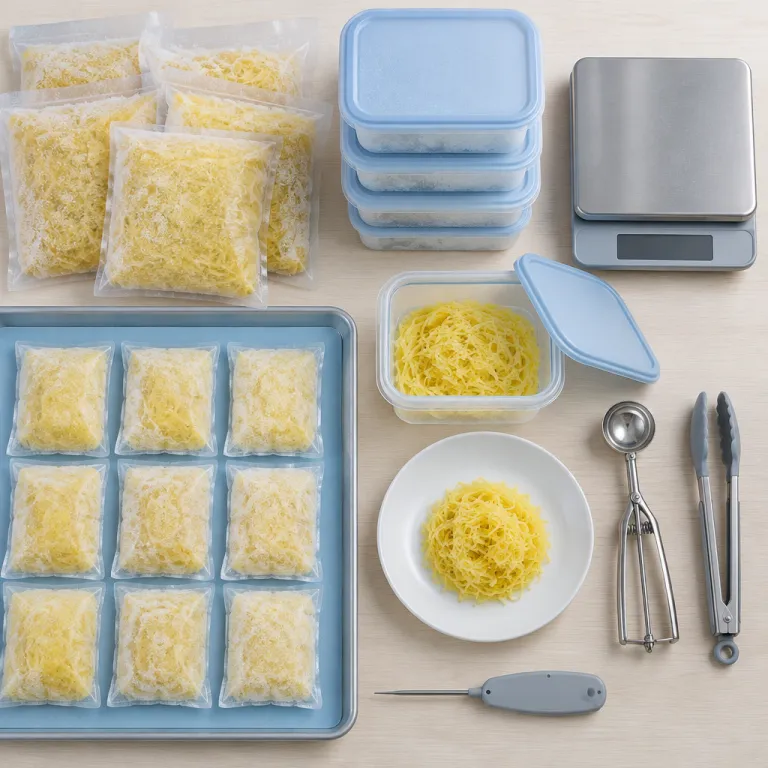
Operationally, the ability to freeze cooked spaghetti squash gives Directeurs F&B and chefs exécutifs a flexible tool for menu engineering. A central production kitchen can cook spaghetti squash in large batches, portion the cooked strands, and freeze them in labeled freezer bag formats for satellite outlets, banqueting, and room service. This approach reduces last minute prep pressure, stabilizes labor minutes on busy days, and supports consistent portioning for squash recipes that must perform identically in different restaurants of the same hotel group.
Safe procedures to cook, cool, and freeze cooked spaghetti squash at scale
To answer “can you freeze cooked spaghetti squash” safely in a hotel context, you must start with controlled cooking and cooling. Whether you choose baking, steaming, or an instant pot method, the squash must reach a safe internal temperature of at least 74 °C (165 °F), then move quickly through the danger zone to refrigeration before it goes into the freezer. This is where written procedures, training, and verification become non negotiable for any serious food operation.
For baking, preheat oven units to a stable temperature before you place squash halves on trays, cut side down, after you scoop seeds and season lightly. Many kitchens prefer to bake spaghetti squash at moderate heat for 30 to 45 minutes, depending on squash size, until a probe slides in easily and the strands pull away with a fork. Once the squash is cooked, teams should flip the squash cut sides up, allow brief steam release, then use shallow pans to spread the cooked spaghetti strands in thin layers for rapid chilling.
Cooling must follow the same rigor you apply to any time and temperature control for safety (TCS) food. Use blast chillers where possible, monitor core temperatures, and log cooling times in line with your internal policy and any local requirement that ready to eat TCS food be marked with precise date and time controls, as explained in this guidance on date and time labelling for TCS food. Only once the squash cooked strands are fully chilled to 5 °C or below should staff portion them into labeled freezer bag containers or gastronorm pans, ready for freezing spaghetti squash under controlled conditions.
Freezer management, texture, and quality when you freeze spaghetti squash
Once you have confirmed that you can freeze cooked spaghetti squash safely, the next challenge is quality. Spaghetti squash has a high water content, so the way you freeze and thaw it will determine whether the strands remain separate or collapse into a watery mash. In hotel kitchens, this directly impacts plate presentation, perceived value, and guest satisfaction scores.
To maintain texture, freeze spaghetti squash in thin, flat layers inside a freezer bag or shallow pan, removing as much air as possible before sealing. This allows the frozen portions to solidify quickly, limiting ice crystal size and protecting the delicate strands that give cooked spaghetti its characteristic pasta like appearance. Label each package with production date, station icon if you use visual codes, and intended recipes, then place the portions in the coldest area of the freezer to avoid temperature fluctuations.
When planning menus, remember that squash freeze operations should be aligned with other frozen mise en place, such as sauces or vegetables, to optimize freezer space and energy use. The same operational thinking that applies when you ask whether you can freeze sauerkraut safely, as detailed in this resource on freezing fermented products in hotel kitchens, also applies to spaghetti squash. If your squash will be reheated with meat sauce or used in gratin style squash recipes, a slight softening of the strands may be acceptable, while for à la carte low carb dishes you may prefer shorter holding times in the freezer to preserve a firmer bite.
Menu engineering with frozen spaghetti squash in low carb hotel concepts
For Directeurs F&B and investors, the question “can you freeze cooked spaghetti squash” links directly to menu engineering and concept positioning. Frozen spaghetti squash portions enable you to support low carb, gluten free, and wellness focused offers without overloading the brigade with last minute prep. This is especially valuable in resorts, conference centers, and airport hotels where demand for healthy options can spike unpredictably.
By standardizing how you cook spaghetti squash, how you scoop seeds, and how you portion the cooked strands, you can design squash recipes that travel well across outlets and brands. A central kitchen might bake large volumes of squash, cool them, then freeze spaghetti squash in 150 gram or 200 gram portions, ready to be regenerated with meat sauce, Mediterranean vegetables, or plant based ragù. These frozen components become building blocks for easy meal solutions on banqueting buffets, staff restaurants, and grab and go counters, all while maintaining consistent nutritional profiles and allergen declarations.
From a commercial perspective, squash easy dishes can support higher margins when positioned as premium low carb alternatives to pasta. When you know that squash will be available as a stable frozen mise en place, you can confidently feature spaghetti squash on seasonal menus without fearing waste from fluctuating occupancy. This approach also supports sustainability goals, especially when combined with broader zero waste strategies such as those outlined in this guide to a zero waste hotel kitchen that reduces food cost.
Operational standards, labelling, and digital oversight for frozen squash
Once your team has decided that it can freeze cooked spaghetti squash as part of standard mise en place, the next step is governance. Hotel groups and independent operators alike need clear specifications for squash cut size, cooking method, cooling times, and maximum frozen storage duration. Without these standards, the same spaghetti squash recipe can vary widely between properties, undermining brand consistency and food safety.
Written procedures should define how to preheat oven units, how long to bake each squash depending on weight, and how to verify that squash doneness meets your internal quality benchmarks. Specify how many minutes the product may remain at ambient temperature before chilling, how to place squash trays in blast chillers, and how to document each batch in your digital HACCP or kitchen management system. Labels on each freezer bag or container must include product name, production date, use by date, and any relevant allergen or cross contact notes, even though spaghetti squash itself is typically allergen friendly.
Digital oversight tools can support Directeurs F&B by providing dashboards that track frozen inventory, rotation, and waste linked to squash freeze operations. When integrated with purchasing data, these systems help forecast how much squash will be needed for upcoming banquets, room nights, and restaurant covers, reducing overproduction. They also support compliance with internal privacy policy rules by ensuring that any staff performance or handling data collected around food safety remains properly anonymized and secured within corporate systems.
Practical service applications for frozen cooked spaghetti squash
In day to day service, the operational value of being able to freeze cooked spaghetti squash becomes clear at the pass. During peak periods, chefs de partie can pull pre portioned frozen spaghetti squash from the freezer, regenerate it quickly, and plate consistent low carb dishes without slowing the line. This keeps ticket times under control while protecting food safety and quality.
For regeneration, many kitchens prefer to place squash portions in a covered pan with a small amount of stock or sauce, then reheat in a combi oven or instant pot style pressure steamer until piping hot. Others reheat frozen spaghetti squash directly in a sauté pan with meat sauce or vegetable ragù, which helps drive off excess moisture and restore a pleasant texture to the strands. In all cases, staff must verify that the food reaches a safe core temperature of at least 74 °C (165 °F), then serve immediately or hold under controlled conditions for only a limited number of minutes.
Room service and banqueting teams benefit from frozen spaghetti squash because it offers an easy meal base that can be customized with different toppings and sauces. For example, one banquet menu might feature cooked spaghetti squash gratin with cheese, while another uses the same squash cooked base under a spicy meat sauce for a themed buffet. Clear communication between production, service, and purchasing ensures that squash don, squash cooked quality, and squash easy handling remain consistent, reinforcing guest trust in the brand’s food standards.
Key statistics for freezing cooked spaghetti squash in hotel kitchens
- Many food safety authorities, including the U.S. FDA Food Code (for example, section 3-501.14 on cooling), recommend cooling cooked vegetables from 60 °C to 21 °C within two hours, then from 21 °C to 5 °C within an additional four hours, which should guide how you handle cooked spaghetti squash before freezing.
- Blast chilling can reduce cooling times for cooked vegetables, including spaghetti squash, by up to 70 percent compared with standard refrigeration, according to comparative performance tests published by commercial refrigeration manufacturers, which significantly lowers the risk of bacterial growth during the cooling phase.
- Industry case studies and internal audits from multi outlet hotel groups show that centralizing production of frozen mise en place, such as cooked spaghetti squash, can reduce labor costs per portion by 10 to 20 percent in multi outlet hotel operations, thanks to economies of scale and more efficient scheduling of prep teams.
- Hotels that implement structured freezer inventory management, including clear labelling and rotation for items like frozen spaghetti squash, often report food waste reductions of 3 to 5 percent of total food cost, aligning with broader zero waste kitchen initiatives promoted by sustainability programs in hospitality.
FAQ about freezing cooked spaghetti squash in hospitality operations
Can you freeze cooked spaghetti squash without compromising food safety ?
Yes, you can freeze cooked spaghetti squash safely if you cool it rapidly, package it in clean, labeled containers or freezer bags, and maintain a stable freezer temperature at or below minus 18 °C. The critical steps are controlled cooking, fast chilling through the danger zone, and strict adherence to storage times defined in your HACCP plan. Always reheat frozen portions to a safe core temperature of at least 74 °C (165 °F) before service.
How long can frozen cooked spaghetti squash be stored in a hotel freezer ?
In most hotel operations, frozen cooked spaghetti squash is held for between one and three months for optimal texture and flavor, even though it may remain microbiologically safe for longer if the freezer temperature is stable. Beyond this period, the strands tend to lose structure and become watery, which can affect guest perception. Your internal specifications should define a maximum storage time based on sensory tests and brand standards.
What is the best way to cook spaghetti squash for later freezing ?
Baking is often preferred because it concentrates flavor and limits excess moisture, which helps the strands hold up better after freezing and reheating. Preheat the oven, place squash halves cut side down on trays, and bake until tender before cooling and separating the strands. Steaming or using an instant pot can also work, but you may need to drain and dry the strands more thoroughly before freezing.
Does frozen cooked spaghetti squash work for banqueting and room service menus ?
Frozen cooked spaghetti squash is well suited to banqueting and room service because it can be portioned precisely, regenerated quickly, and paired with a wide range of sauces and toppings. This supports consistent low carb and gluten free offerings even during peak service. Proper planning of freezer space, labelling, and regeneration methods is essential to maintain quality at scale.
How should hotel kitchens label and track frozen spaghetti squash portions ?
Each container or freezer bag of frozen spaghetti squash should carry a clear label with product name, production date, use by date, and any relevant allergen or cross contact information. Many hotel groups integrate this data into digital kitchen management systems to track rotation, minimize waste, and support audits. Labelling practices must also comply with the company’s privacy policy when staff identifiers or performance data are linked to production batches.